San Sebastián de Mariquita: History, BIC Heritage & Strategic Investment Value
Comprehensive historiographical and documentary monograph: The 1551 foundation and 1553 relocation, the alternate seasonal viceregal court of New Granada, the Royal Botanical Expedition headquarters of José Celestino Mutis (1783–1791), the first School of Botanical Drawing, colonial silver mining prosperity, and the 18th-century manor Casa del Virrey.
Why is cultural heritage critical for an investor or developer?
Unrivaled Brand Heritage & Competitive Moat: In international luxury hospitality and legacy residential developments, authentic historical pedigree is the rarest asset. An 18th-century property delivers storytelling depth and brand prestige that no modern construction can replicate or buy, driving substantial Average Daily Rate (ADR) premiums and high-net-worth customer loyalty.
Seat of Viceregal Governance & Seasonal Court (18th Century): Mariquita functioned as the seasonal administrative capital of the Viceroyalty of New Granada. Supreme imperial authorities such as Archbishop-Viceroy Antonio Caballero y Góngora and Pedro Mesía de la Cerda conducted state affairs, issued royal decrees, and governed from this enclave, imbuing the estate with an aristocratic pedigree unique to Colombia's interior.
Headquarters of the Royal Botanical Expedition (1783–1791): Operational base for nearly a decade of José Celestino Mutis's historic scientific enterprise and home to the first formal Academy of Botanical Illustration in the Americas (yielding thousands of masterworks housed at the Royal Botanical Garden of Madrid). This intellectual prominence drew the landmark visit of Alexander von Humboldt and Aimé Bonpland in 1801.
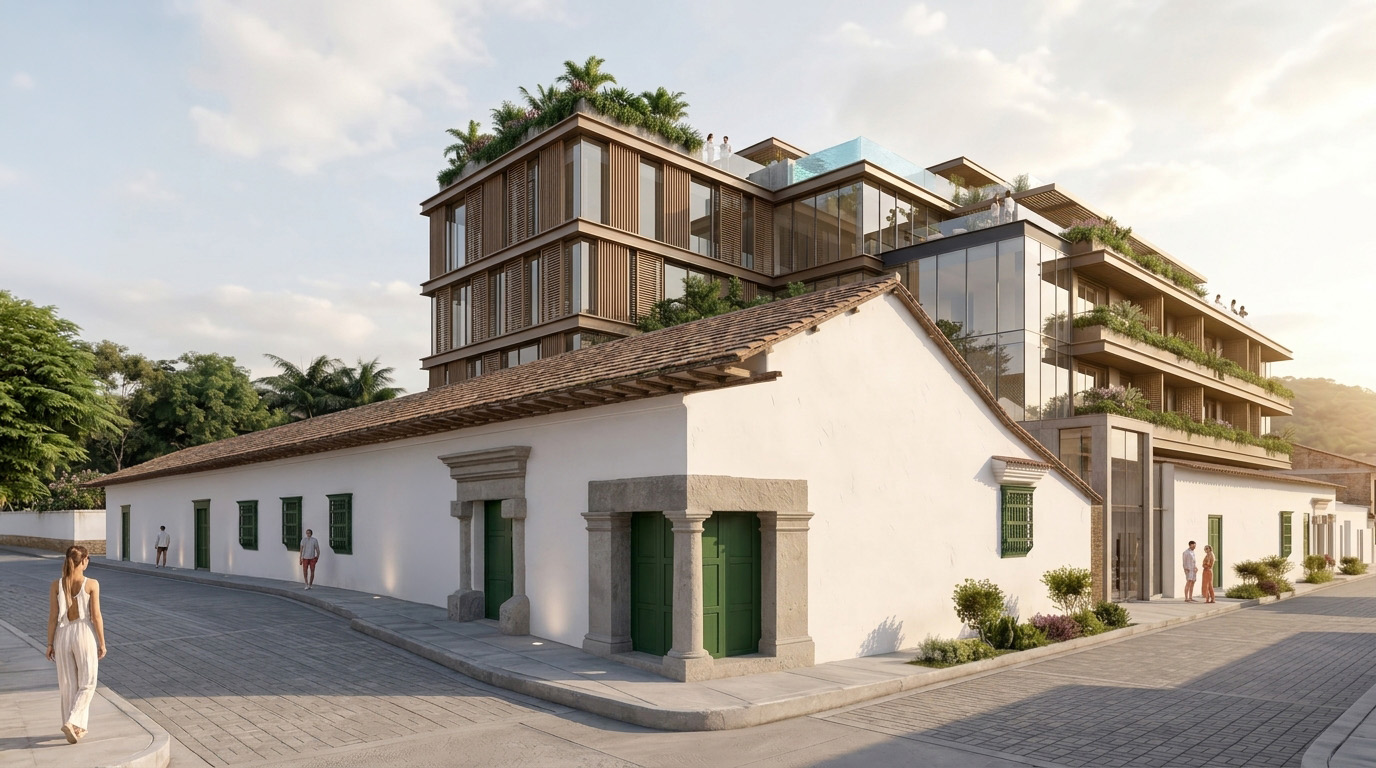
18th-Century Level 2 BIC Casona on a 6,038 m² Full City Block: The estate preserves authentic colonial architecture (rammed-earth walls over one meter thick, hand-hewn cedar timbering, and stone arcades) cataloged under Level 2 (Architectural Conservation) of Mariquita's approved PEMP (Resolution 0121 of 2025). The regulation protects the historic exterior facade while providing total legal certainty to develop high-yield contemporary mixed uses across the 5,700+ m² of unbuilt land.
Silver Smelting Capital & Foundational National Ties: From its 1551 founding as the chief silver smelting center and royal mint of the Viceroyalty ("The Colombian Potosí"), to serving as the final resting place of Bogotá founder Gonzalo Jiménez de Quesada (who governed as Perpetual Mayor and whose remains lay here for over 200 years) and declaring the Independent Republic of Mariquita in 1815, the asset is grounded in primary archival documentation from the General National Archive.
Table of Contents: Historical & Heritage Monograph
The Founding of San Sebastián de Mariquita & Silver Mining Wealth (1551)
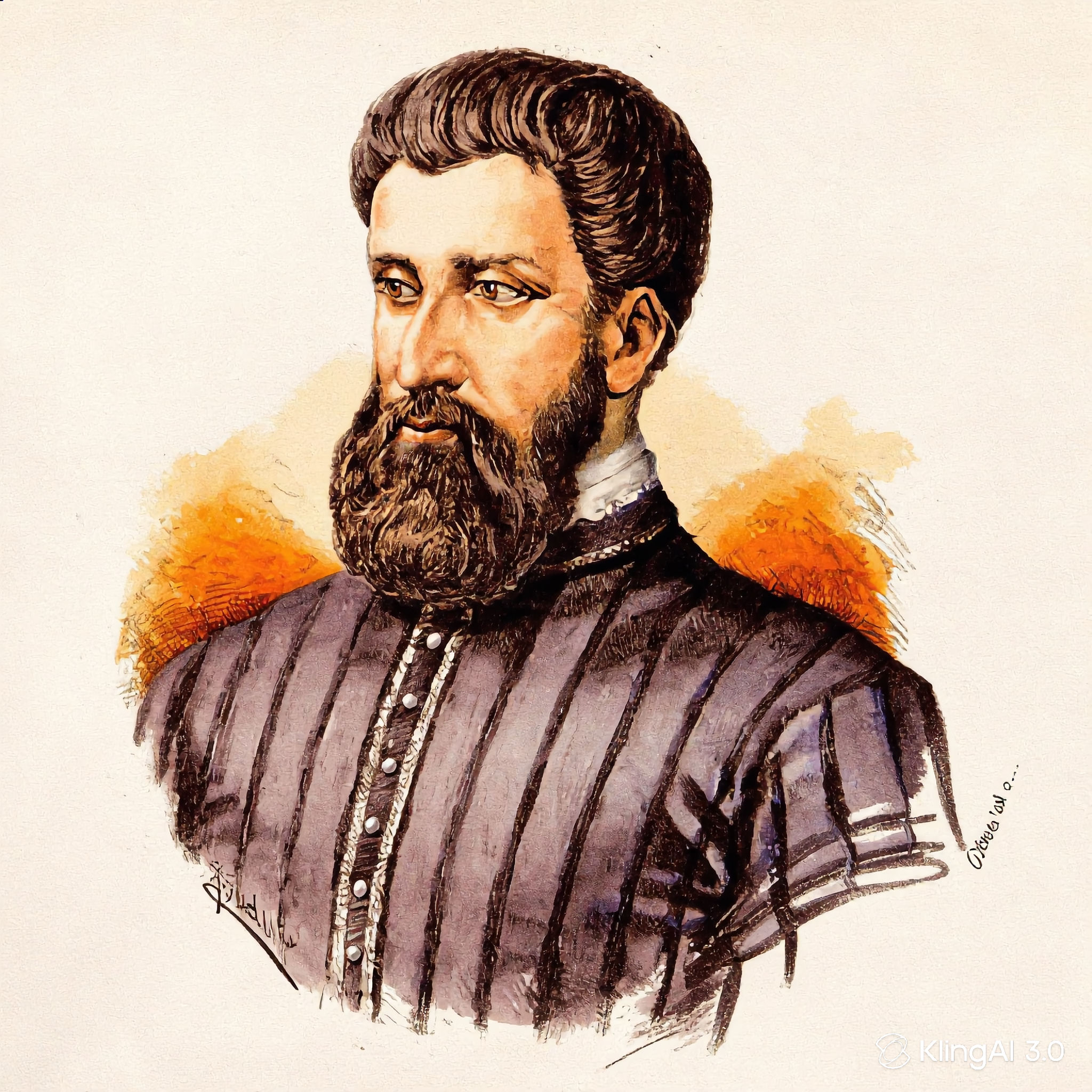
San Sebastián de Mariquita stands as one of the most illustrious and historic urban settlements in Colombia. Authorized under the Royal Capitulation of Settlement on August 8, 1551 by the High Judges of the Real Audiencia of Santafé and solemnly founded on August 28, 1551 by Spanish Captain Francisco Núñez Pedroso, the town was christened in honor of the Roman martyr Saint Sebastian and the indigenous Cacique Mariquetá, ruler of the Panche nation inhabiting the fertile Gualí and Sucio river basins.
Crucial archival records preserved by the Center of History of Mariquita reveal an essential urban milestone: the physical relocation of the city in January 1553. The original 1551 settlement was first staked out in a rugged, steep mountain outpost adjacent to alluvial gold workings. Given the confined topography, in January 1553 Captain Núñez Pedroso and the town council formally transferred the urban grid to its permanent site: a broad, gently sloping plateau blessed by Andean breezes, fertile volcanic soils, five rivers, and more than twenty crystalline streams.
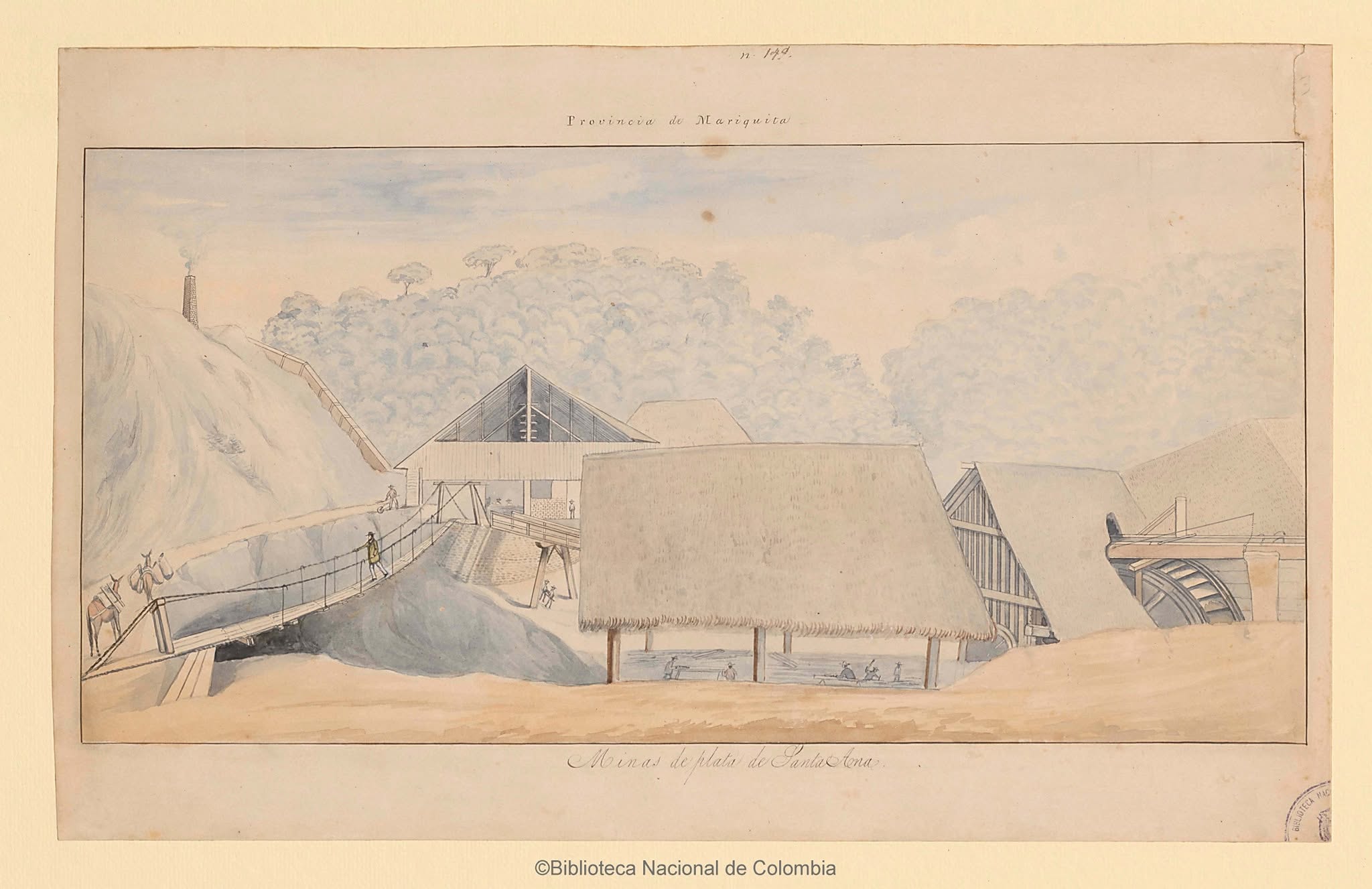
From its first decades, the villa commanded immense economic importance for the Spanish Empire as rich veins of silver were uncovered in Santa Ana, Falan, and Las Lajas. Skilled European mineralogists and enslaved African miners were brought in, transforming Mariquita into the "Colombian Potosí" and establishing a royal smelting house and mint that sustained Spanish imperial galleons.
Mariquita’s permanent grid followed the classic Laws of the Indies: an orthogonal layout anchored by an expansive Plaza Mayor, intersected by noble thoroughfares, most notably Calle 2ª, home to encomenderos, religious orders, and historic manor estates such as the prestigious Casa del Virrey.
What Was a Viceroy in the Spanish Empire? Absolute Power & Court Lineage in Mariquita
To fully appreciate the profound historical gravity of San Sebastián de Mariquita and solar estates like Casa del Virrey, one must understand the political structure of the Spanish Empire during the 16th, 17th, and 18th centuries.
In imperial governance, the Viceroy (from Latin vice-rex or "Vice-King") was no mere provincial governor or civil magistrate. The Viceroy was the living physical and legal embodiment of the King of Spain in the Americas. He held the supreme titles of Governor General, Captain General of the Royal Armies, President of the Royal Audiencia, and Vice-Patron of the Catholic Church within his jurisdiction. His authority over royal treasuries, transatlantic trade, civil justice, and military forces was absolute, answering solely to the King and the Supreme Council of the Indies in Madrid.
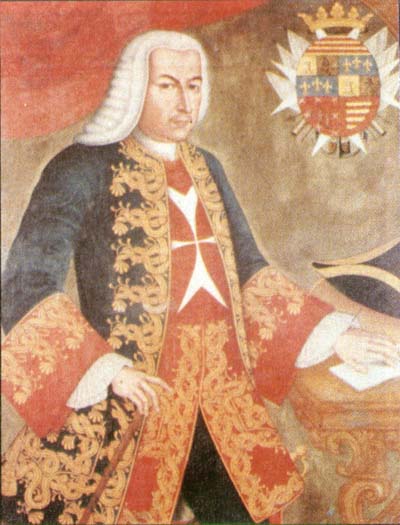
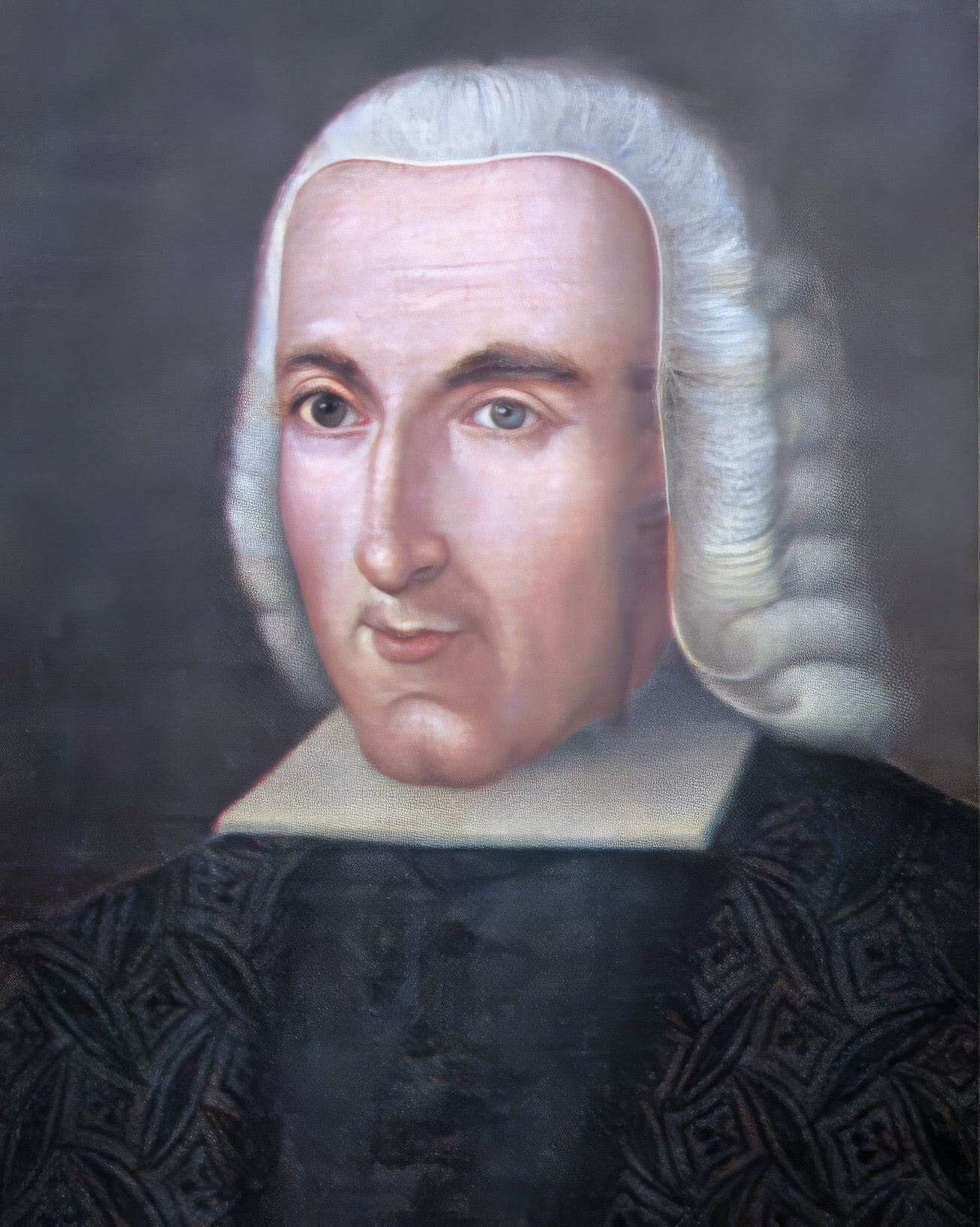
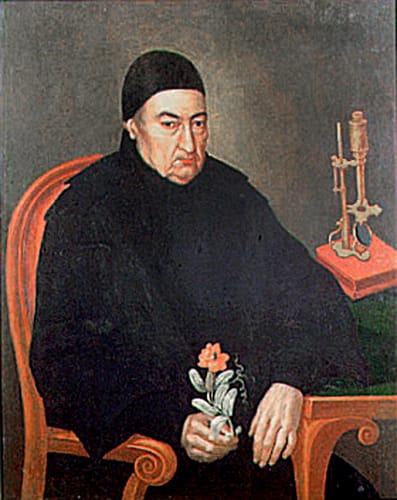
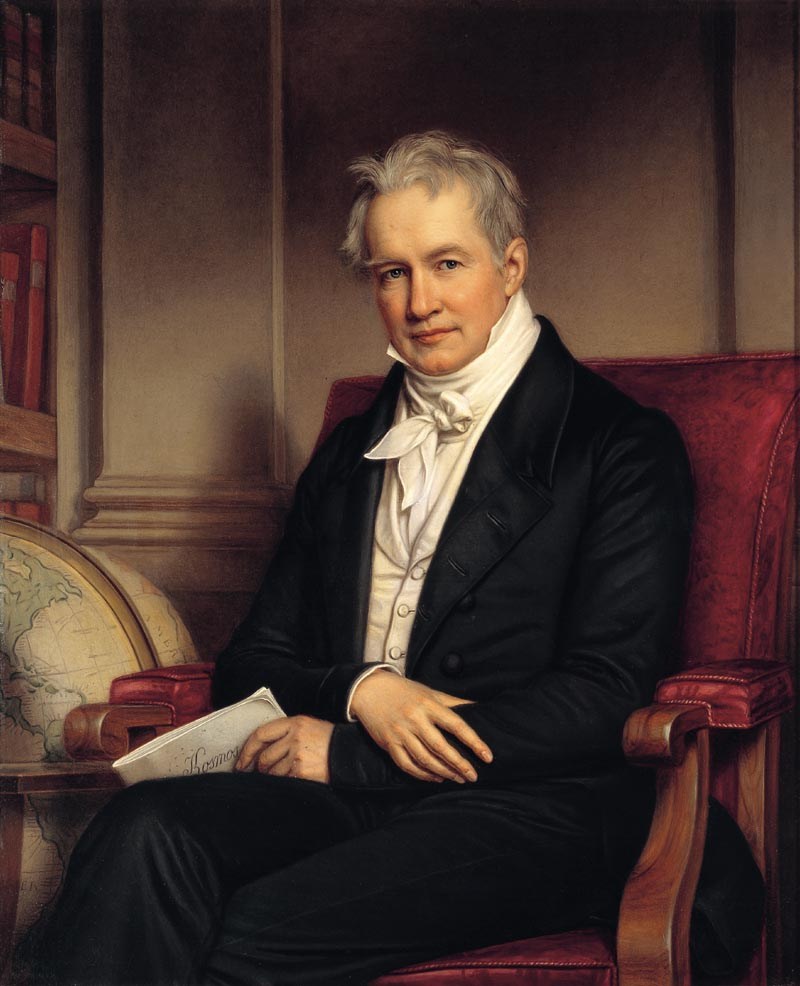
Pedro Mesía de la Cerda
Marquis of Vega de Armijo and Viceroy of New Granada (1761–1772).
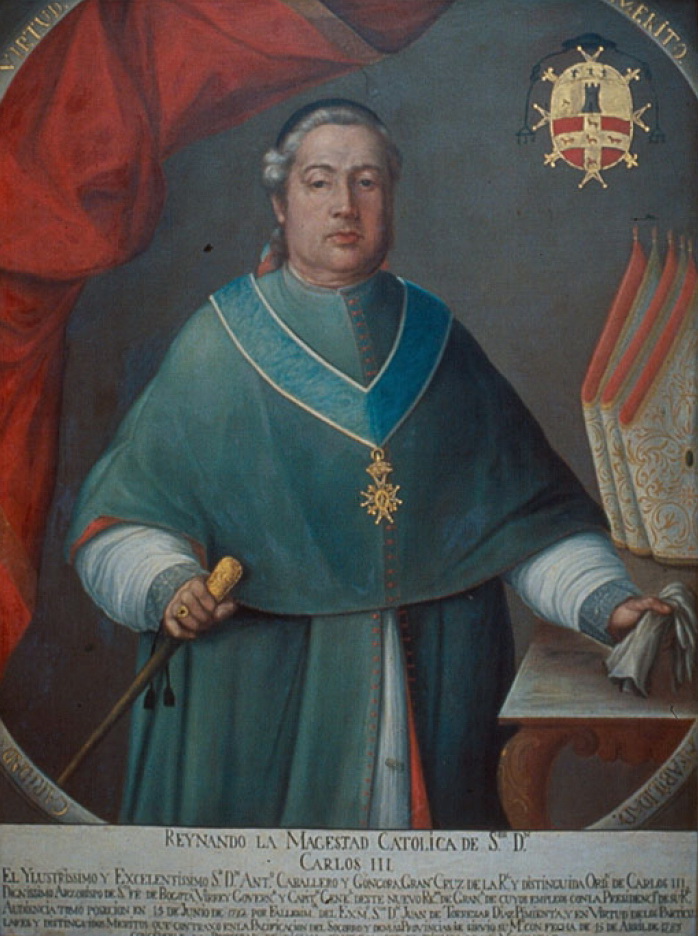
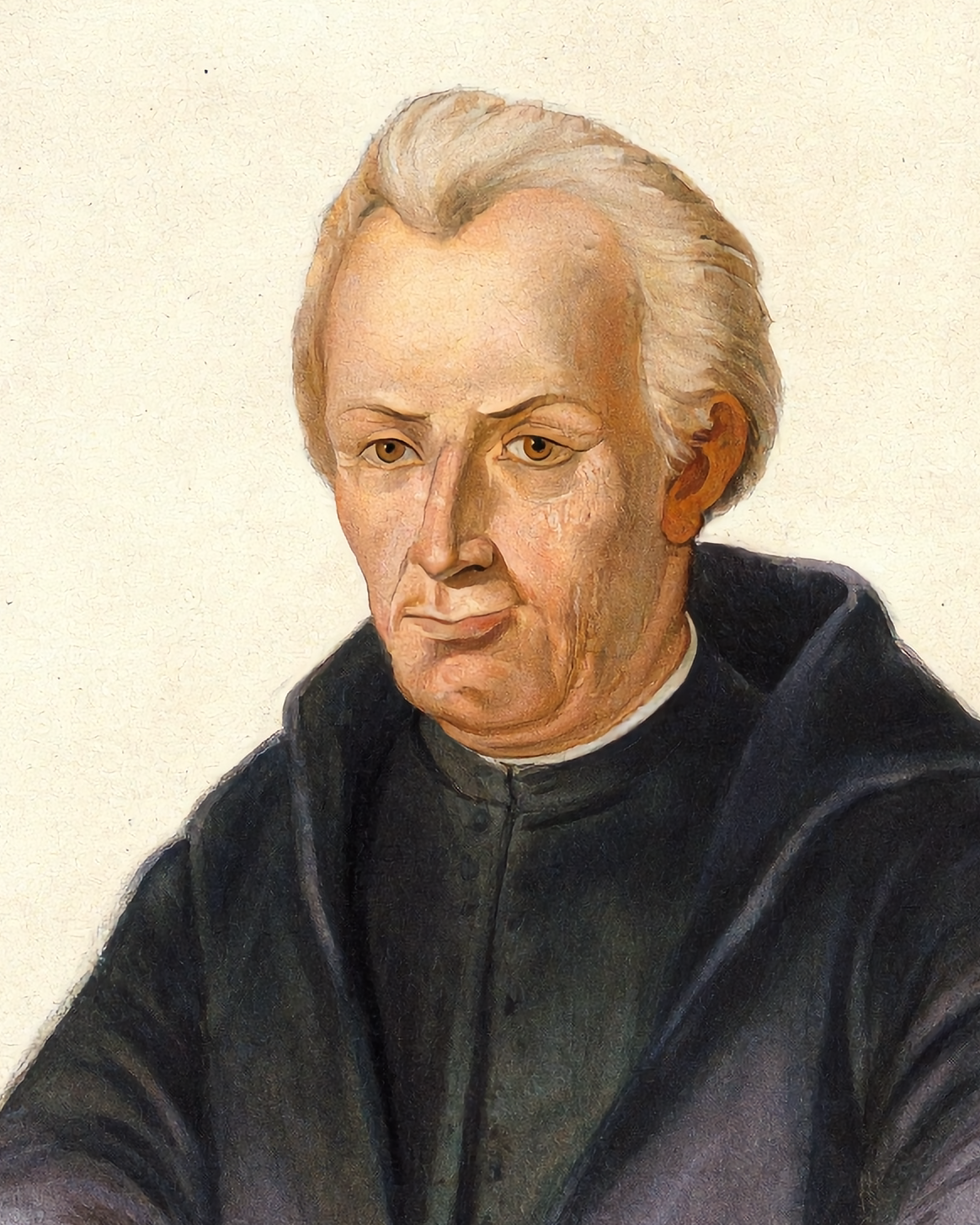
Antonio Caballero y Góngora
Archbishop-Viceroy and patron of Mutis' Royal Botanical Expedition.
When the Viceroyalty of New Granada was permanently established in 1739 with its capital in Santa Fe de Bogotá, the viceregal court instituted regal etiquette. Viceroys traveled in gilded carriages escorted by the Royal Halberdier Guards. Their arrival in any villa was celebrated with ringing cathedral bells, triumphal arches, and fireworks.
Recommended Historical Bibliography on Viceregal History
For scholars and investors interested in 18th-century Spanish colonial administration and court protocols, we recommend these foundational reference texts available in international libraries:
Invest in an unrepeatable heritage legacy. Develop a world-class luxury boutique hotel or fine-dining courtyard within an exceptional 6,038 m² full city block featuring a viceregal BIC casona and expansive development land.
When Mariquita Competed with Santa Fe to Be Capital and Viceregal Seat
As documented in the archival records of the municipal Centro de Historia, the extraordinary commercial, mining, and administrative prosperity of San Sebastián de Mariquita earned it the honor of disputing the preeminence of the realm, to the point of "competing with Santa Fe de Bogotá to become capital of the Viceroyalty."
While the 1739 Royal Decree (Real Cédula) confirmed Santafé de Bogotá on the high plateau as the formal administrative capital, Mariquita competed directly in practice and prestige: it functioned as the foremost seasonal court and alternate viceregal seat of power during the 18th century.
The advantages driving this competition against Santa Fe were compelling: while the Andean capital was isolated at 2,600 meters above sea level with a cold, damp climate that impaired court health and slowed logistics, Mariquita enjoyed an ideal location at 495 meters above sea level in the Magdalena River Valley. Its restorative warm climate, direct riverway access to the Caribbean Sea and Spain through the royal port of Honda, the immense wealth of the Santa Ana silver mines, and its role as headquarters for José Celestino Mutis's Royal Botanical Expedition (1783–1791) made it the favored retreat of colonial leadership. Spanish Viceroys such as Don Pedro Mesía de la Cerda (1760–1771) and Archbishop-Viceroy Antonio Caballero y Góngora (1782–1789) made extended governance stays in the villa, presiding over imperial matters from its grandest manors (sources: Centro de Historia de Mariquita and the Mariquita PBOT Agreement 019 of 2004, Art. 343).
The History of Casa del Virrey: Manor House of Calle 2ª
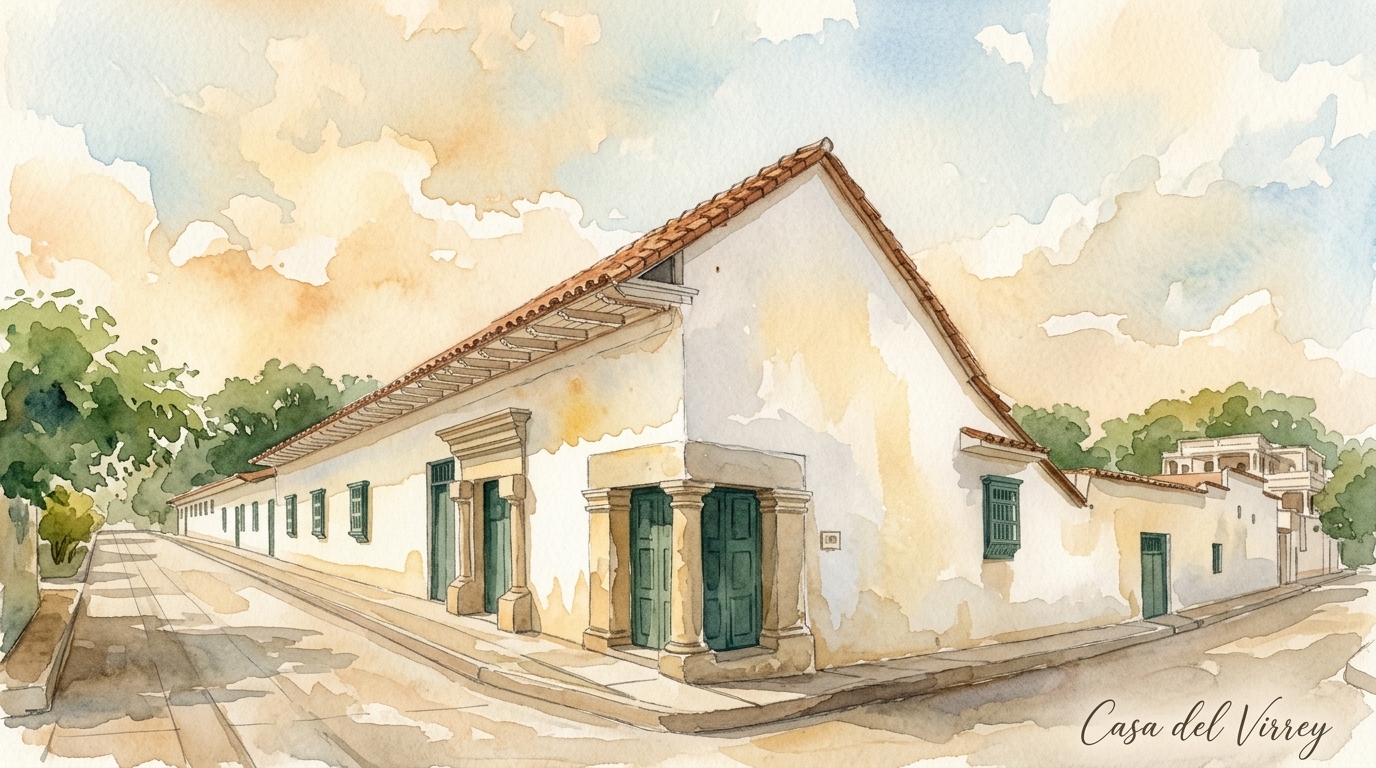
Amidst this atmosphere of viceregal prestige, the imposing corner residence known popularly as Casa del Virrey was erected. Built along Calle 2ª as one of Mariquita’s grandest private manors, its stately scale, inner courtyards, and solid rammed-earth architecture made it the favored residence to host the most distinguished dignitaries of the Viceroyalty.
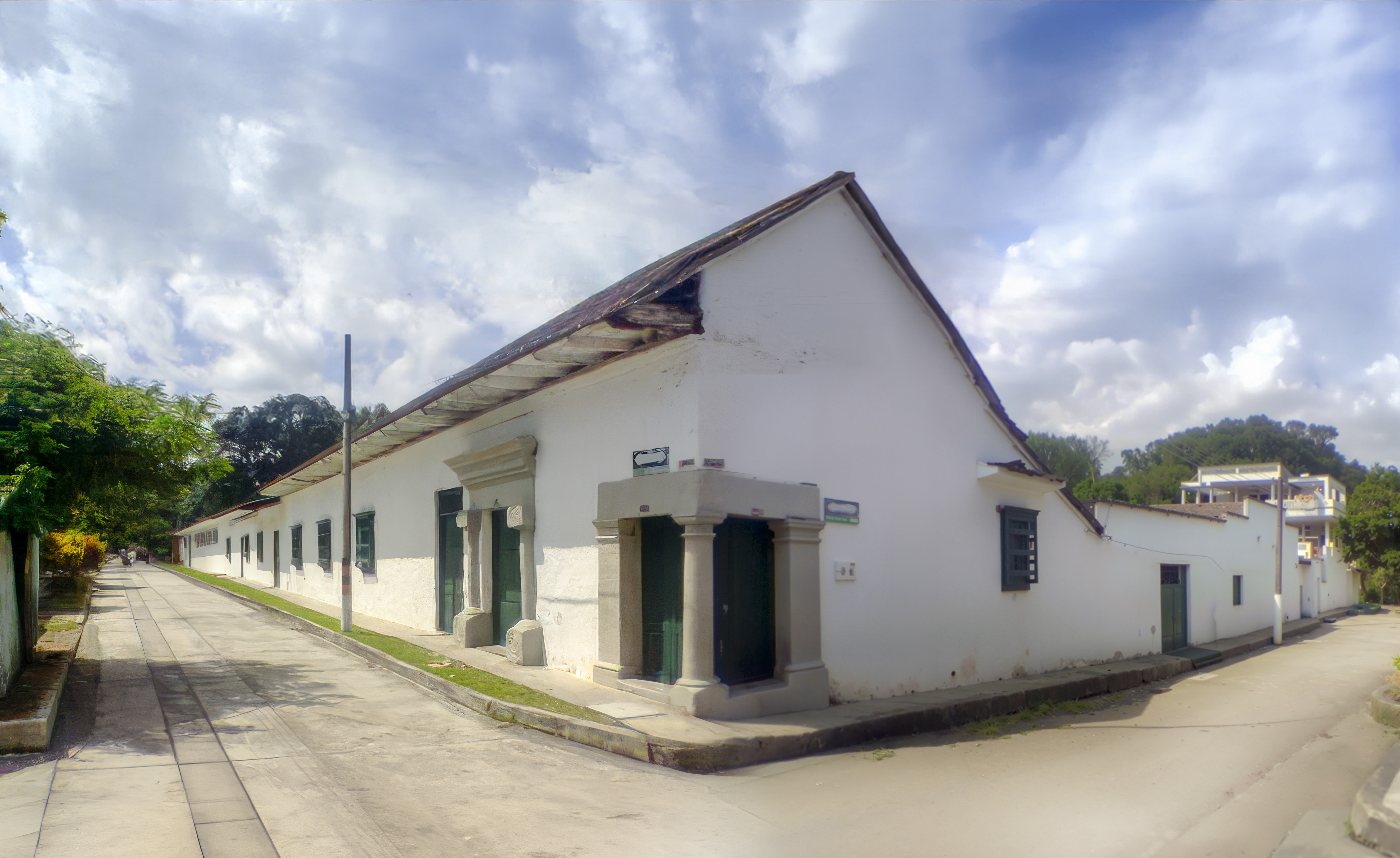
Panoramic View of Casa del Virrey Facade (Calle 2ª, Mariquita)
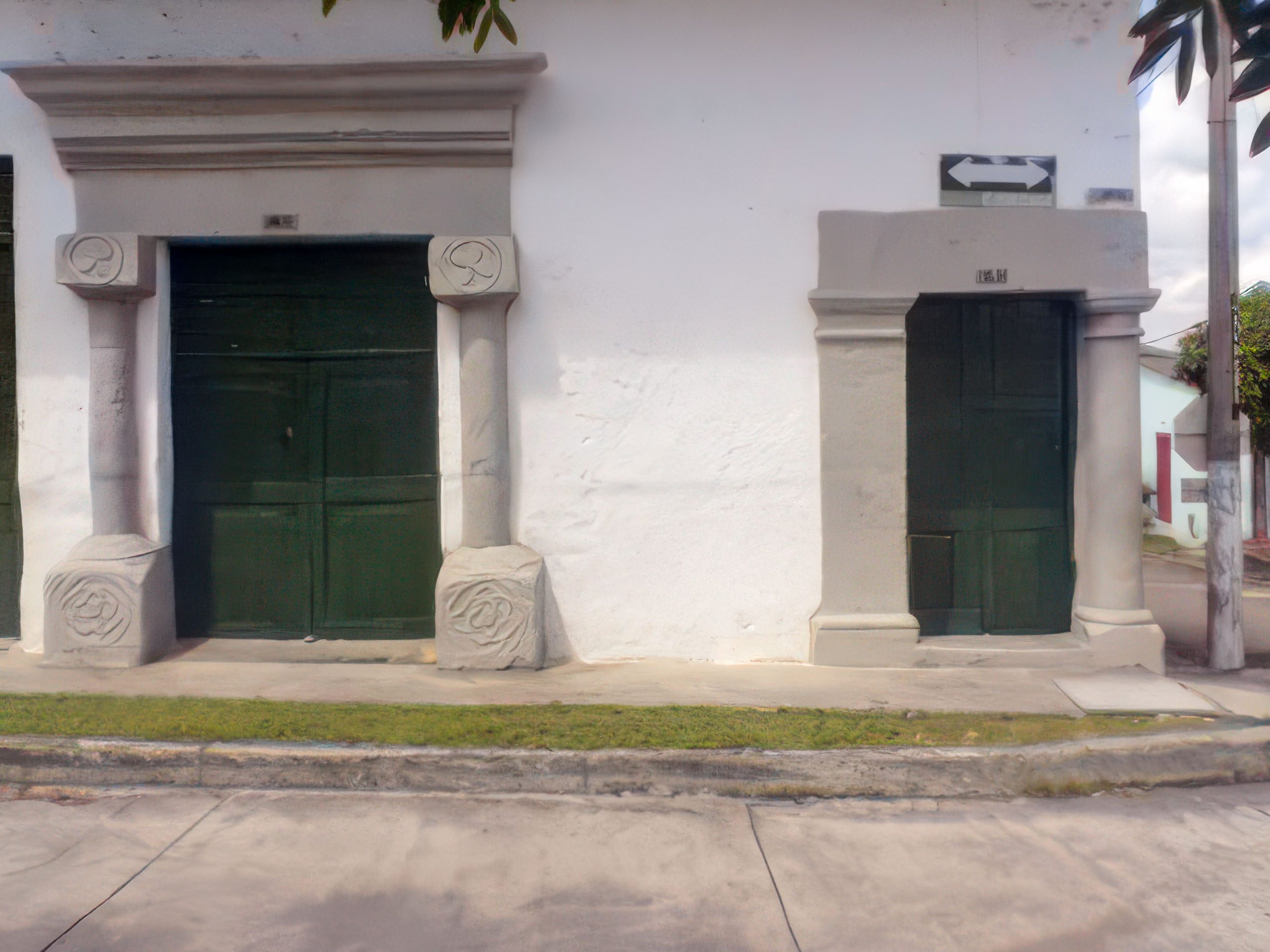
6,038 m² full city block parcel with 1.10-meter thick rammed-earth masonry walls and preserved Viceregal cedar entrance portal.
The casona was designed following the principles of Andalusian and Baroque architecture: foundations crafted from Gualí River stone, exterior rammed-earth walls exceeding 1.10 meters in thickness to insulate against heat, interior courtyard galleries featuring hand-carved native timber columns, and Spanish clay tile roofs.
The Origin of the Name: Why Is It Called “Casa del Virrey”?
In the living memory and regional history of San Sebastián de Mariquita, local oral folklore and colonial archives intertwine to explain the birth of the name “Casa del Virrey”:
The Popular Legend of the Name: Deeply rooted local tradition recounts that the name did not originate from an official royal decree, but from the town’s popular wit. The corner manor was originally erected by an extraordinarily wealthy Spanish merchant and silver-mining entrepreneur. Known for his immense personal fortune, haughty aristocratic bearing, and near-monarchical lifestyle, the townsfolk ironically nicknamed him “El Virrey” (The Viceroy). From this sharp neighborhood satire arose the enduring habit of calling his estate “La Casa del Virrey”.
Official Lodging of the Spanish Viceroys: Decades later, that popular moniker merged with official imperial history when actual supreme governors of New Granada took up lodging in the casona. Colonial records verify that royal governors such as Don Pedro Messía de la Cerda (1760) and preeminently Archbishop-Viceroy Antonio Caballero y Góngora (during the 1780s) resided in this manor as illustrious guests while directing José Celestino Mutis's Royal Botanical Expedition.
Heritage Protection: The property holds official designation as an Asset of Cultural Interest (BIC).
Is There an Exact Construction Year Documented?
No notary deed preserves an exact calendar year for its initial dedication. As was customary with private colonial residences in New Granada, commemorative dedication plaques were not installed. While departmental records trace the property's roots to the 16th century following the town's founding, its standing architecture, featuring rammed-earth walls exceeding 1 meter in thickness, colonial stone arcades, and native cedar timbering, reflects Mariquita's golden viceregal era.
Tangible heritage fact: Unlike neighboring colonial sites that collapsed during historical earthquakes and remain open-air ruins (such as Santa Lucía or San Francisco), Casa del Virrey stands as an intact, fully roofed, habitable, and enclosed colonial casona under national BIC protection.
Investor Vision: Viceregal Heritage as a High-Yield Commercial Asset
Traditionally, operating historical museums or galleries is viewed as a costly financial burden. At Casa del Virrey, however, the immense historical legacy of José Celestino Mutis and the viceregal court is not an expense: it is **the single most powerful marketing asset and value proposition for any commercial development**.
With thousands of open-access botanical illustrations preserved in royal archives and the region's living biodiversity, any commercial development on this 6,038 m² site can incorporate a "Living Experiential Museum" organically funded by ongoing business operations. Below are conceptual development models:
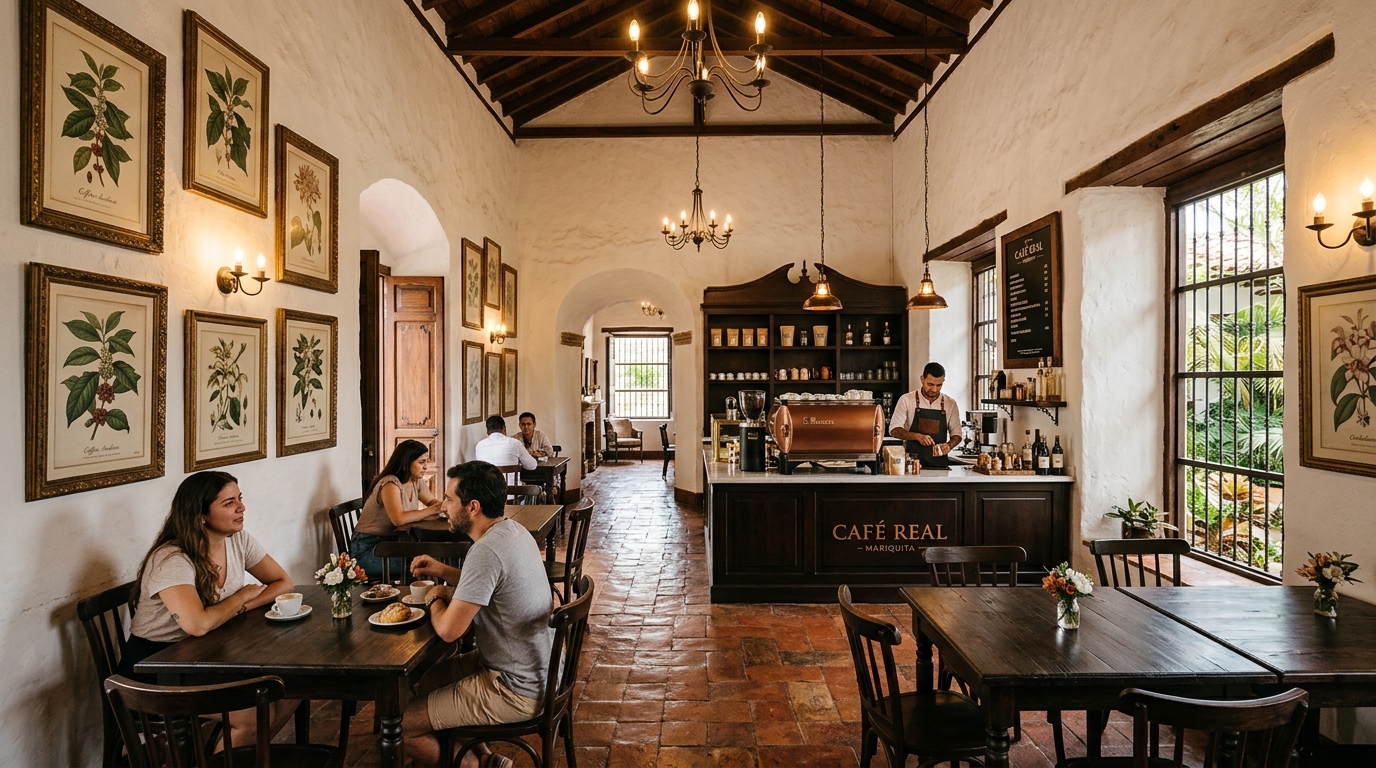
Botanical Boutique Café
Fine hardwood seating under colonial timber beams, surrounded by framed large-format reproductions of Mutis' botanical plates, paired with single-origin Tolima specialty coffee.
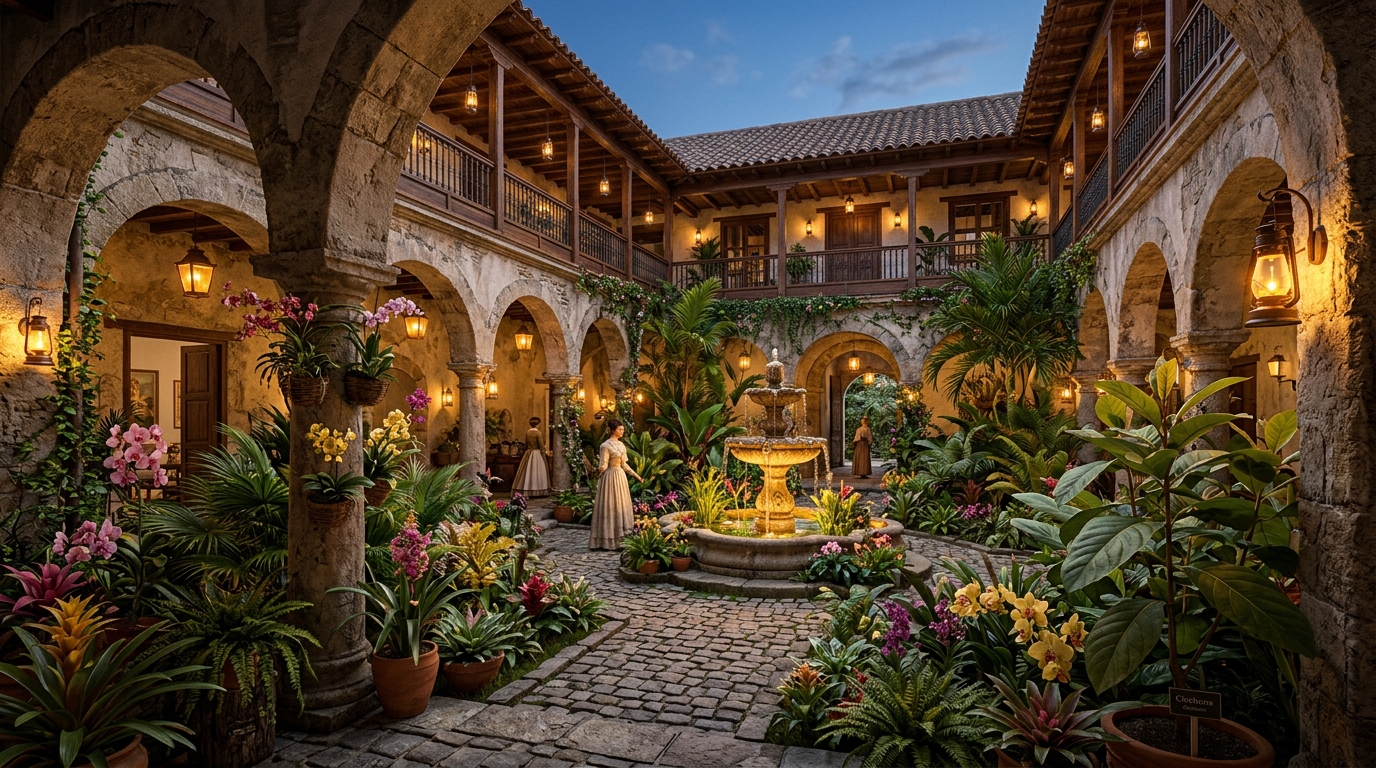
Colonial Botanical Courtyard
Central landscaped courtyard with river-stone fountains, arcaded galleries, living orchids, and Cinchona specimens, creating an unmatched relaxation oasis.
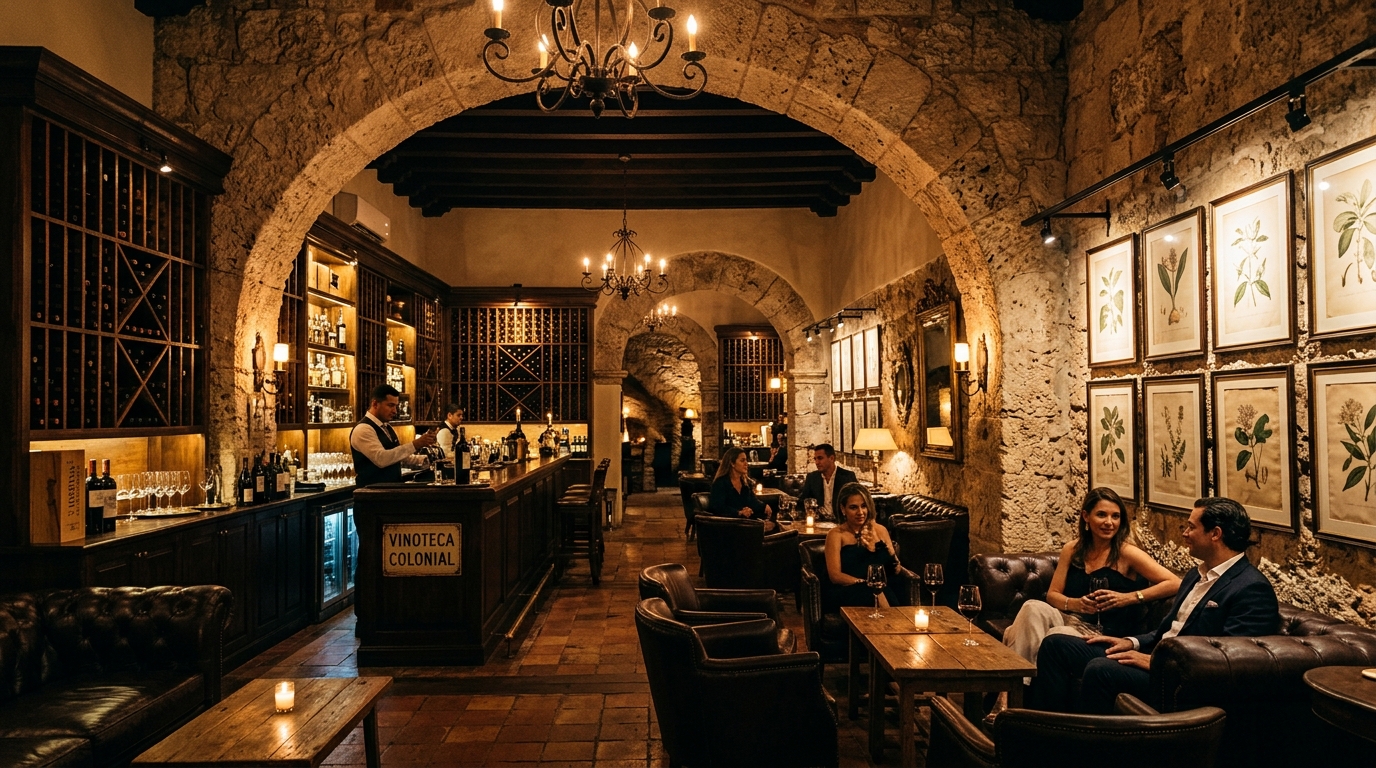
Viceregal Wine Bar & Gallery
Boutique wine bar and tapas lounge integrated within exposed stone arches and original rammed-earth walls with warm period lighting.
A visionary investor acquires more than real estate square footage; they acquire an unrepeatable historic legacy capable of captivating discerning travelers and guests worldwide.
A Heritage Foundation for New Uses
Casa del Virrey does not start from a blank slate or a purely hypothetical concept. The property preserves genuine historical architecture alongside swimming pools, social areas, service quarters, and spaces that historically served hospitality, recreation, and social club functions.
This combination allows envisioning a new phase for the property: preserving and elevating the protected heritage core while updating or reorganizing posterior structures to create a contemporary hospitality, cultural, gastronomic, wellness, or mixed-use project.
Prior usage history demonstrates an established vocation, but does not constitute automatic approval for new development. Project viability must be confirmed through independent legal, urbanistic, architectural, technical, and financial due diligence.
José Celestino Mutis & the Royal Botanical Expedition (1783)
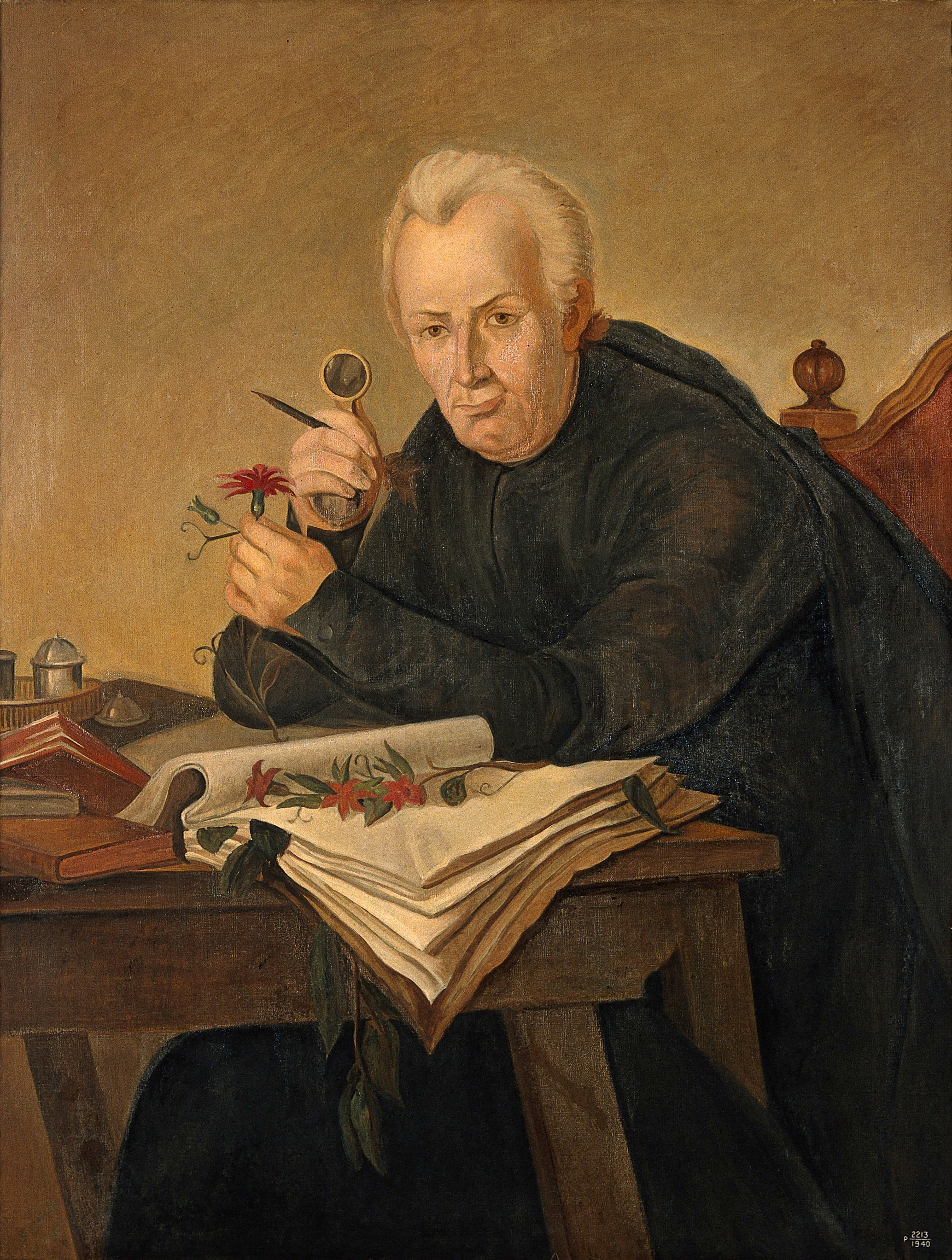
In the historic year of 1783, Spanish physician, mathematician, astronomer, and botanist Don José Celestino Mutis y Bosio founded the Royal Botanical Expedition of the New Kingdom of Granada. Mutis selected San Sebastián de Mariquita as the principal base for scientific operations between 1783 and 1791 (authoritatively documented by the National Museum of Colombia and ICANH) due to its extraordinary elevation gradient stretching from the Magdalena River Valley to the snowcapped peaks of Nevado del Ruiz.
Mutis’ decision to establish imperial botany headquarters in Mariquita was driven by systematic exploration strategy rather than mere climate. From his laboratory in the villa, he dispatched field teams who daily traversed the slopes of the Central Andes, collecting thousands of botanical specimens hitherto unknown to European science.
Historical Anecdote: Mutis’ Panic Over Mariquita’s Festival Fireworks
Mutis’ personal journals preserve a famous 18th-century anecdote during Mariquita’s annual patron saint festivals. The villa's residents celebrated with boundless enthusiasm by firing black-powder rockets, fireworks, and lighting bonfires along Calle 2ª.
Terrified that a single stray spark might drift into his workshop windows and incinerate thousands of fragile dried botanical plates and manuscripts his team spent years creating, Mutis issued desperate decrees pleading with the Mayor to outlaw pyrotechnics within three blocks of the Expedition headquarters, personally guarding his manuscripts throughout the festival nights.
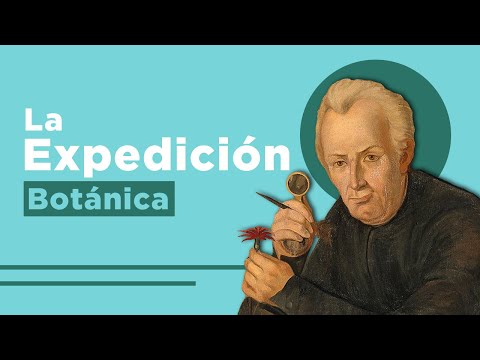
Mariquita: Cradle of the Botanical Expedition
Official documentary by the Botanical Foundation of Colombia on Mutis' scientific journey in Mariquita.
The House of Mutis's Painters: The Graphic Atelier of the Royal Botanical Expedition (1783–1791)
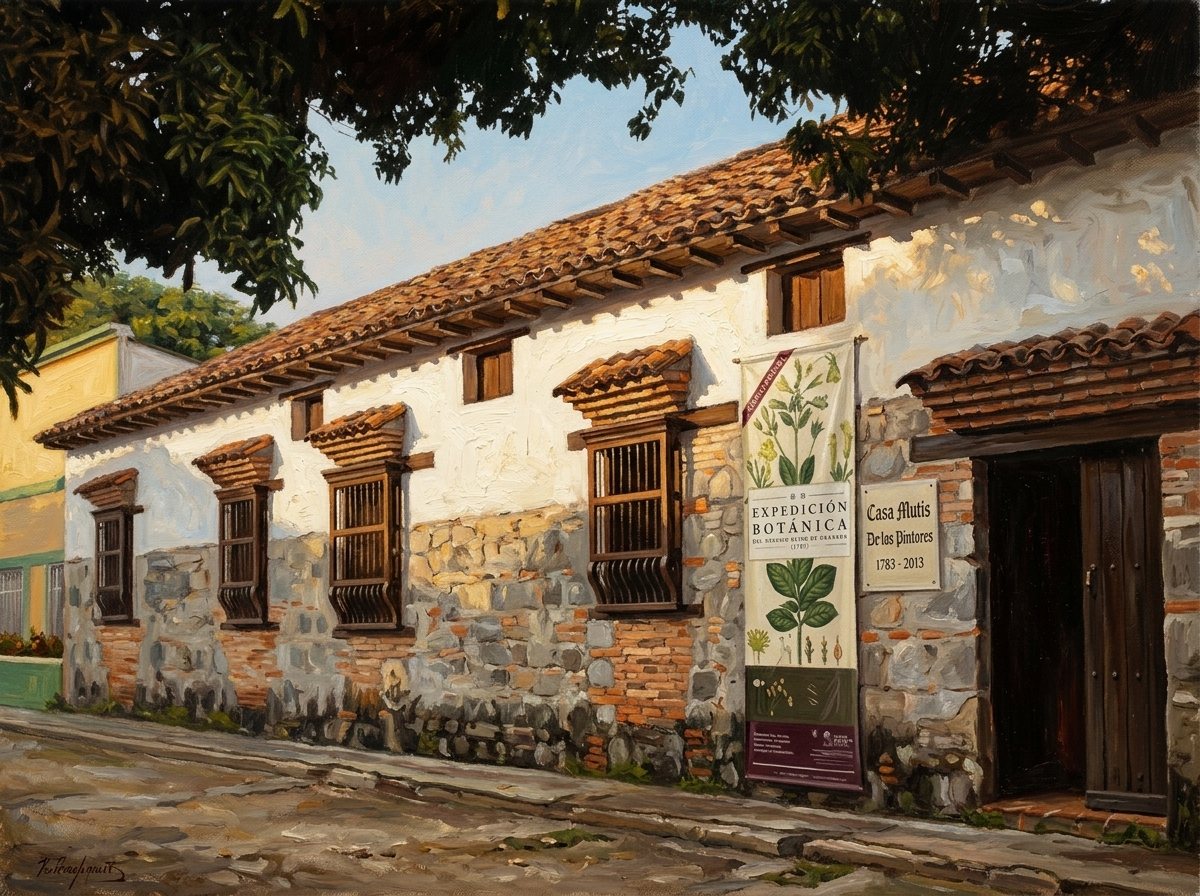
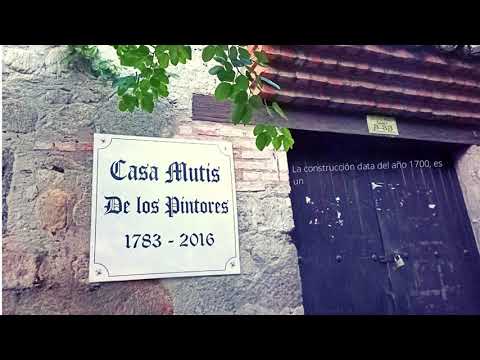
Situated along Carrera 2ª between Calles 3ª and 4ª in the historic center, the Casa de los Pintores de Mutis served between 1783 and 1791 as the first free, formal academy of scientific botanical illustration in the Americas. Within these colonial salons framed by river stone masonry, rammed-earth walls, and hand-carved cedar beams, Don José Celestino Mutis assembled the most gifted young artists of the Viceroyalty to execute the grandest botanical iconographic endeavor in world history.
Guided by master painter and expedition majordomo Salvador Rizo, indigenous and criollo artists such as Francisco Javier Matis, celebrated by Alexander von Humboldt as "the greatest botanical painter in the world" (certified in the MoMA Latin American Collection Catalogue and the National Library of Colombia), formulated unprecedented natural pigment techniques. Eschewing European oils, they extracted organic colorants, vegetable resins, and mineral mordants from native flora and local mines, creating vibrant, permanent pigments that remain as luminous today as they were over two centuries ago.
Casa Mutis de los Pintores
Historic colonial facade on Carrera 2ª, showcasing the exposed cal-y-canto masonry, projecting wooden window grilles, and arched entrance portal of the scientific workshop.
Today, the Casa de los Pintores operates as a cultural center dedicated to preserving the memory of the Botanical Expedition, hosting regional art exhibits, and offering community workshops in botanical and environmental art.
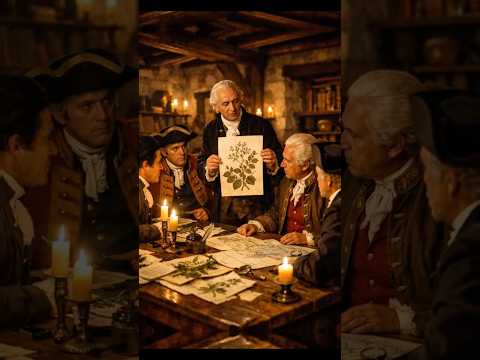
Documentary: Mariquita, Seat of the Royal Expedition
Historical research by Fundación Casa Hispanoamericana detailing Mutis's scientific headquarters and painters.
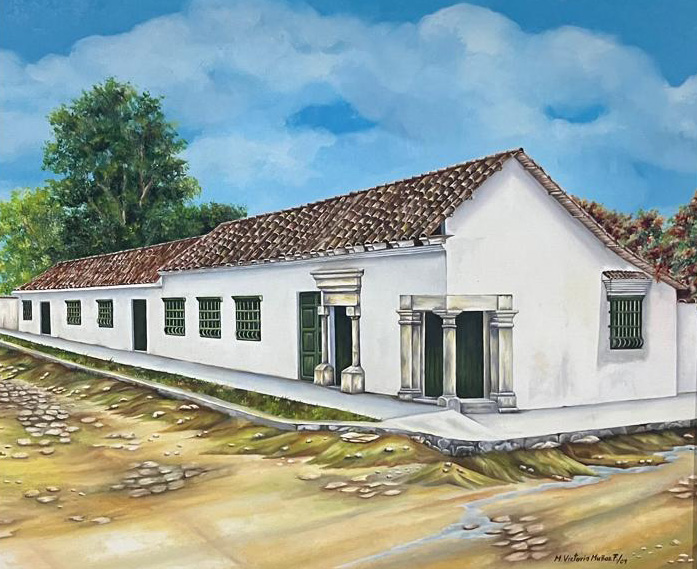
La Casita Mutis & Casa de los Canelos: The First Botanical Garden and the American Cinnamon Odyssey
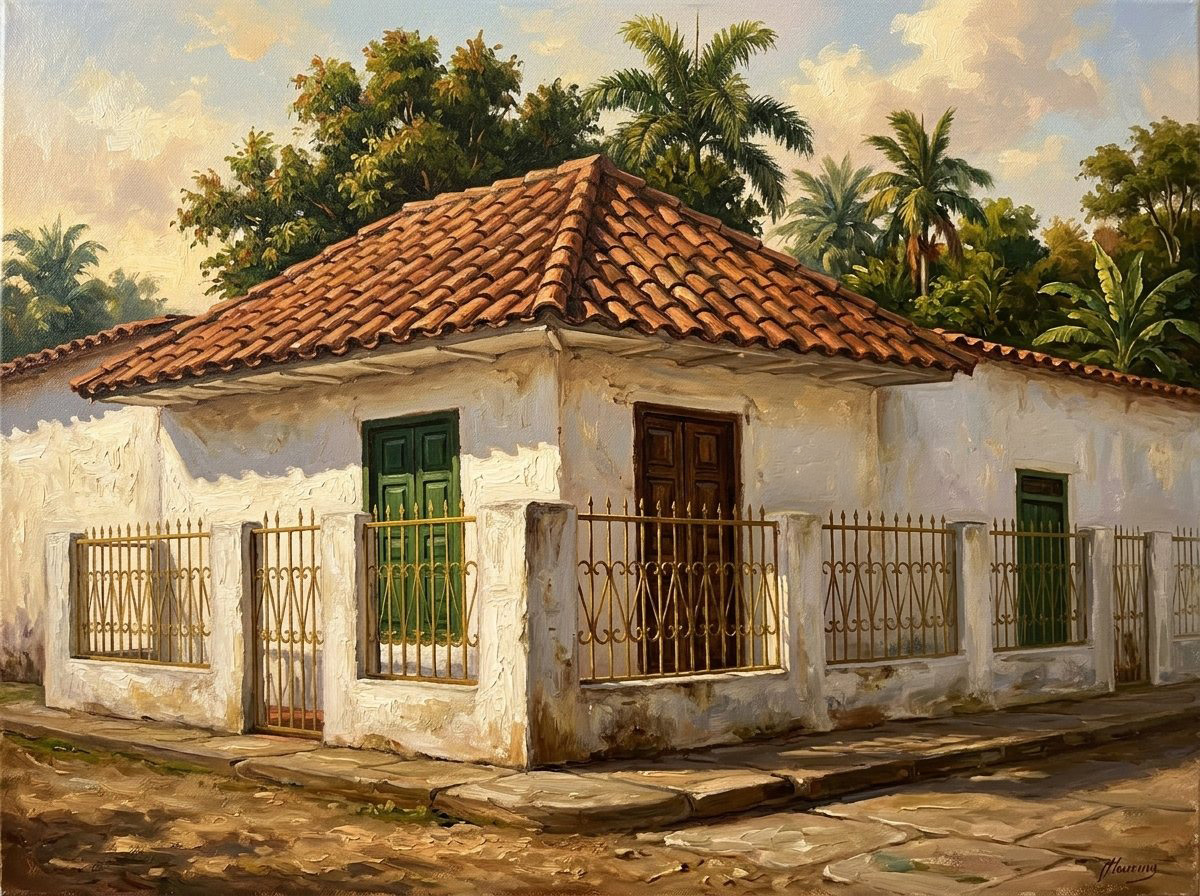
At the intersection of Calle 3ª and Carrera 2ª sits one of Mariquita’s most evocative historical structures: La Casita Mutis, historically remembered in Viceroyalty annals as the Casa de los Canelos. This single-story colonial residence with traditional hipped clay-tile roof and perimeter garden walls housed the first experimental botanical nursery and acclimatization garden established by Don José Celestino Mutis in 1783.
Within these courtyards, Mutis germinated and cultivated saplings of the prized American cinnamon tree (canelo de los andaquíes), a bold agricultural endeavor designed by the Spanish Crown to break the Dutch spice monopoly in Ceylon, alongside native varieties of Cinchona (quinine). Embedded in one of its exterior stone walls remains the historic solar meridian marker, used in 1802 by Prussian explorer Alexander von Humboldt to calibrate his quadrant, sundial, and magnetic declination instruments.
The House of the Cinnamon Trees (Casita Mutis)
Colonial corner house on Calle 3ª with Carrera 2ª, featuring green timber shutters, the historic sundial wall, and botanical gardens where Mutis cultivated the first American cinnamon specimens.
Mutis's Cinnamon Trees: The Odyssey of American Cinnamon and the East Indies Spice Trade
One of the most captivating yet under-recognized chapters in colonial botanical and geopolitical history took place in these courtyards: the quest for American cinnamon (botanically identified as Ocotea quixos or canelo de los andaquíes). In the 18th century, fragrant spices were the petroleum of the global economy, and Ceylon cinnamon was strictly monopolized by the Dutch East India Company (VOC).
With royal sponsorship from King Charles III and Viceroy Antonio Caballero y Góngora, Don José Celestino Mutis devised an ambitious geopolitical strategy to break the Dutch monopoly by supplying European markets with native American cinnamon harvested in the Caquetá and Amazonian foothills. Mutis organized botanical expeditions to the southern frontier and had live cuttings and saplings brought to Mariquita. Between 1783 and 1790, the courtyards of the Casa de los Canelos operated as an advanced propagation nursery where hundreds of young cinnamon trees were acclimatized and nurtured.
This botanical quest inspired celebrated Colombian novelist William Ospina in his award-winning historical novel "The Country of Cinnamon" (El País de la Canela), which earned the prestigious Rómulo Gallegos International Novel Prize in 2009. European explorers and 19th-century naturalists journeying across the Quindío Royal Road recorded their astonishment at the intoxicating fragrances that drifted over the colonial streets of Mariquita when breezes moved through Mutis's cinnamon groves.
In modern times, La Casita Mutis was reclaimed through an inspiring civic movement. Facing decades of administrative neglect, local historians, ecological leaders, and citizen collectives safeguarded the property as public heritage. Today, the site flourishes under the Escuela Vivero Mutis initiative, dedicating its historical courtyards to native tree propagation, school ecological workshops, and botanical preservation.
Scholarly Archive: Los Canelos de Mutis
Explore the archival correspondence, taxonomic citations, and the historic spice route in the comprehensive monograph on Severaflor.
Historical Ephemerides of San Sebastián de Mariquita
A chronological journey through the foundational milestones, illustrious figures, and monuments that shaped the identity of San Sebastián de Mariquita, from its indigenous roots and viceregal splendor to the dawn of the Republic.
INDIGENOUS PEOPLES
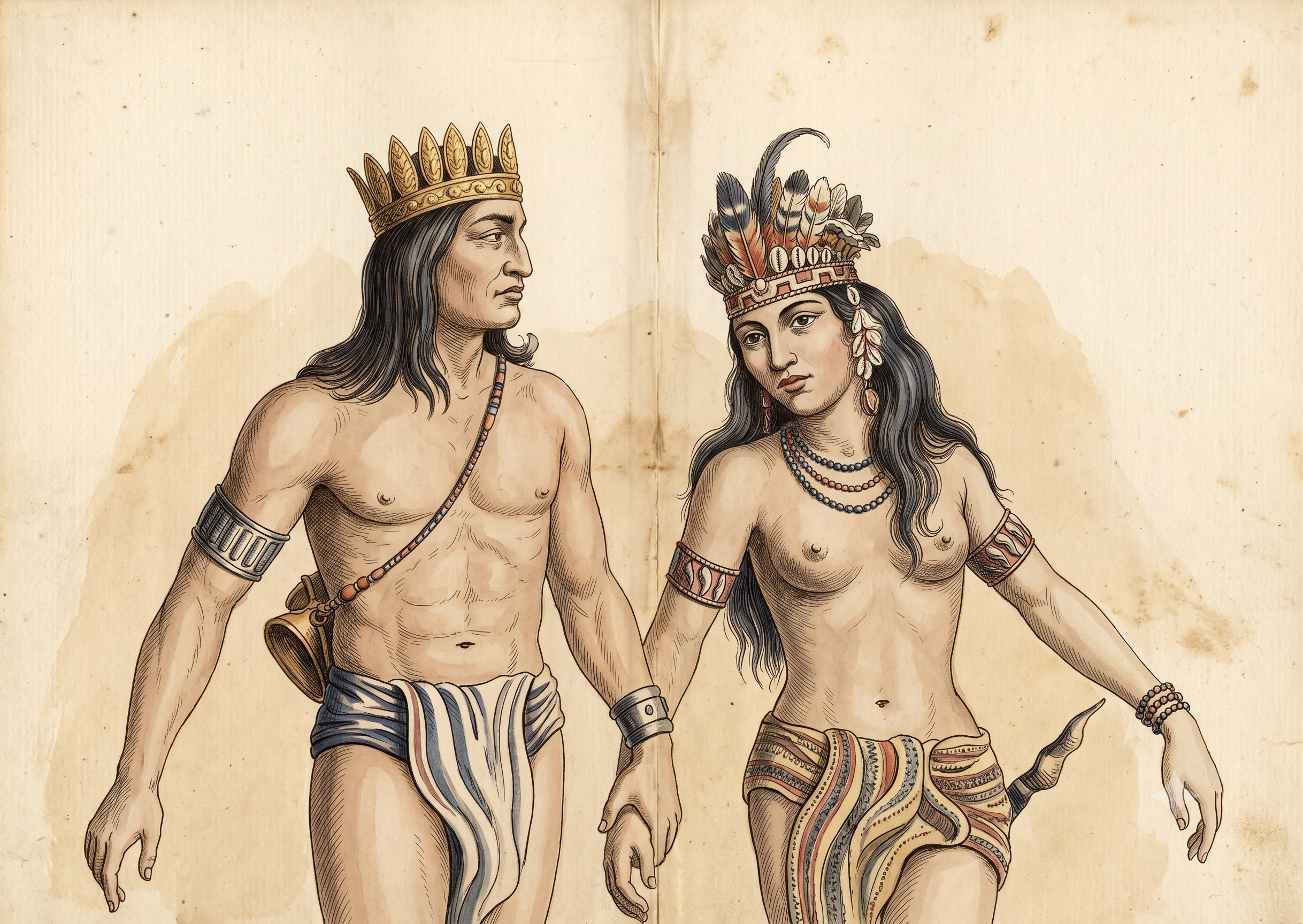
Upon the arrival of the Spanish, the territory of Mariquita was inhabited by courageous indigenous nations of formidable military organization, including the Guarinoes, Guales, Hondamas, and Marquetones of the Panche nation. Chief Marquetá and Princess Luchima embody the ancestral memory of these native peoples.
1 / 2
FOUNDING & RELOCATION (1551-1553)
The city was founded by Captain Francisco Núñez Pedroso on August 28, 1551 at La Parroquia. On January 8, 1553, it was relocated to its current site.
SANTA ANA SILVER MINES
Rich gold and silver mines (principally La Parroquia, Malpaso, Malabar, Cajongora, Santa Ana, and Tres Canoas) earned Mariquita the title "San Sebastián del Oro", driving imperial commerce.
COLONIAL ARCHITECTURE
Prosperity in the 16th and 17th centuries led royal officials and aristocrats to settle here, competing with Santa Fe de Bogotá to become capital of the Viceroyalty. The historic Ermita church survives from this golden era.
GONZALO JIMENEZ DE QUESADA
Founder of Santa Fe de Bogotá who settled in Mariquita in 1572. Appointed "Perpetual Mayor of San Sebastián de Mariquita" by King Charles V, he died in the villa in 1579.
CHRIST OF THE WAYFARERS
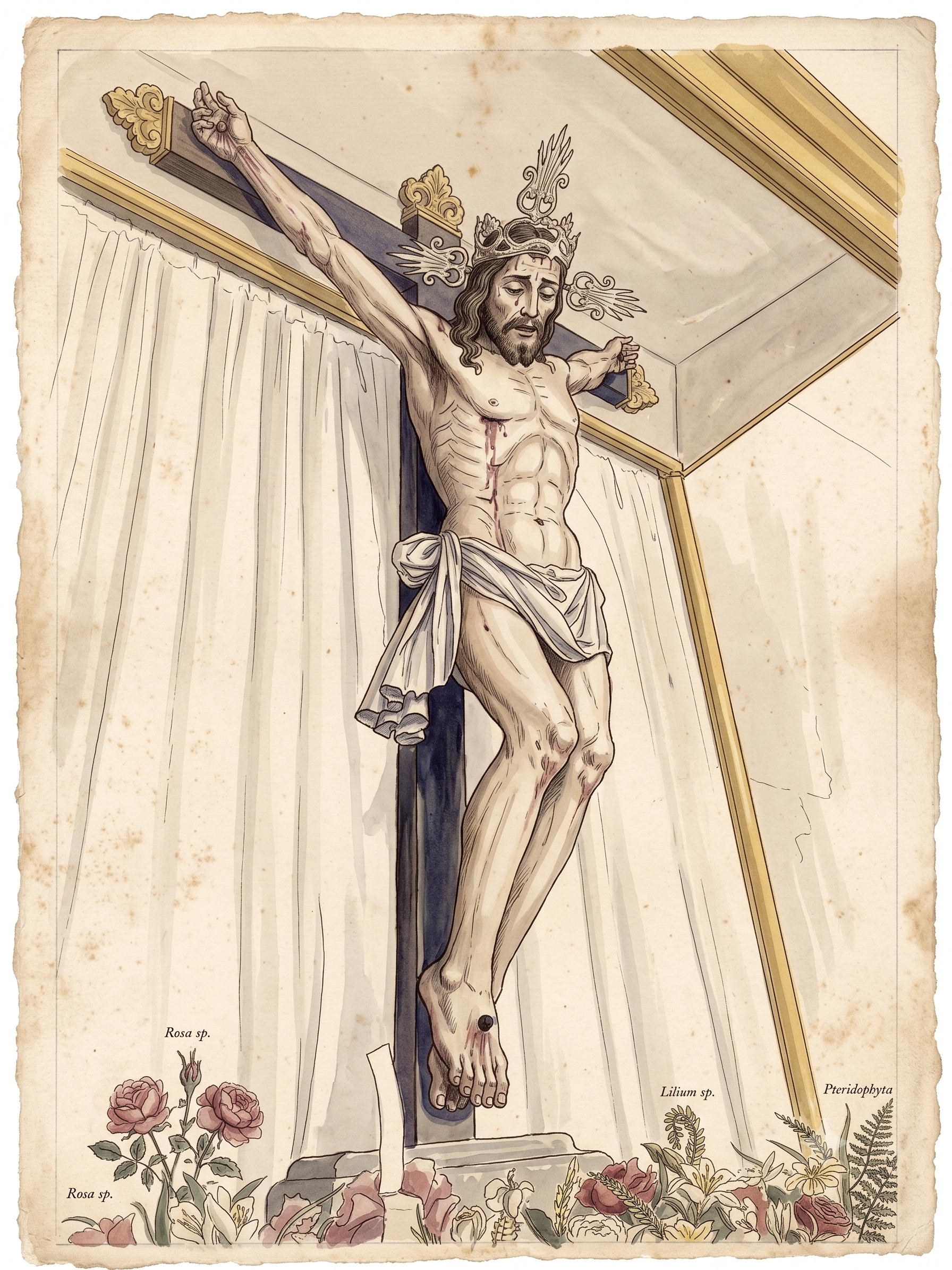
Donated to the city by an Infanta of Spain at the request of Gonzalo Jiménez de Quesada after accompanying Crusaders and veterans of the Battle of Lepanto. It remains a revered sanctuary icon.
PROVINCE OF MARIQUITA
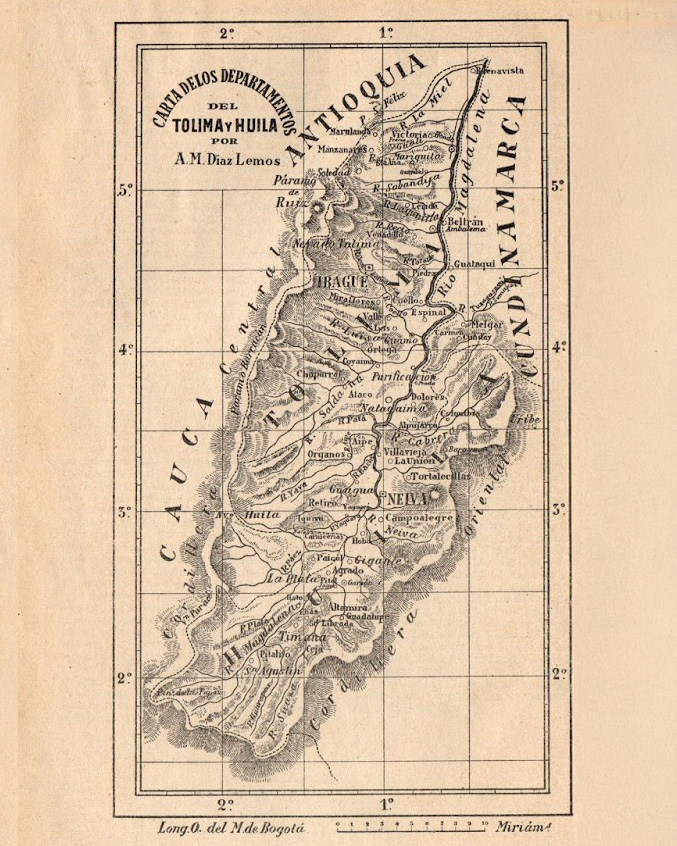
Historical province encompassing northern Tolima, western Cundinamarca, Caldas, and Antioquia territories, with San Sebastián de Mariquita as its capital.
WORKS OF GASPAR DE FIGUEROA
Renowned 17th-century baroque painter born in Mariquita who instructed Gregorio Vásquez de Arce y Ceballos, transmitting European Renaissance and Baroque techniques to New Granada.
F.A. MORENO Y ESCANDON
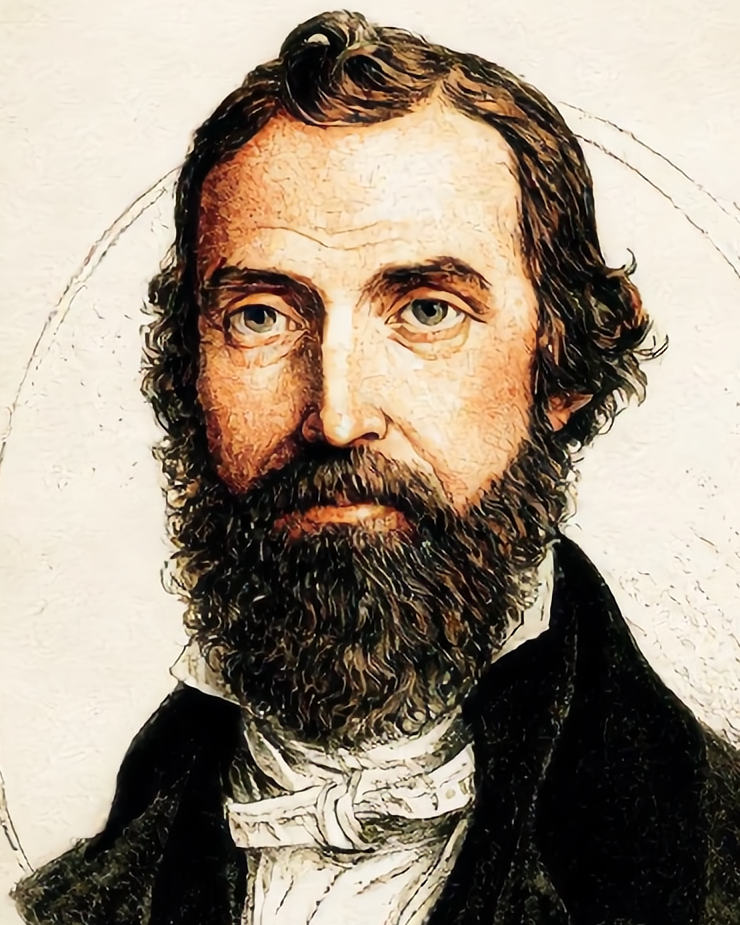
Illustrious jurist and educator born in Mariquita in 1736. Author of the 1774 Provisional Method of Studies, pioneering Enlightenment thought and founding the National Library of Colombia.
JOSE LEON ARMERO
Patriot lawyer, Governor and Sub-President of the Province of Mariquita who signed the Act of Constitution of the Republic of Mariquita in 1810. Executed during the Reconquest in 1816.
1 / 3
JOSE CELESTINO MUTIS
Eminent naturalist who established the Royal Botanical Expedition headquarters in Mariquita on June 29, 1783, operating for seven years and establishing the Americas' first free drawing school.
ALEXANDER VON HUMBOLDT
Prussian polymath Alexander von Humboldt visited Mutis in Mariquita alongside Aimé Bonpland and Fausto Elhuyar to study the Expedition's scientific treasures.
JOSE ANTONIO GALAN
Comunero leader who liberated slaves at Malpaso mines in 1781. Local heroines Carlota Armero and Estefanía Linares were executed by royalists for supporting his independence movement.
REPUBLIC OF MARIQUITA
The Province of Mariquita issued its Declaration of Independence from Spain in 1815, signed by Governor José León Armero as a sovereign republic.
1 / 2
AERIAL CABLEWAY
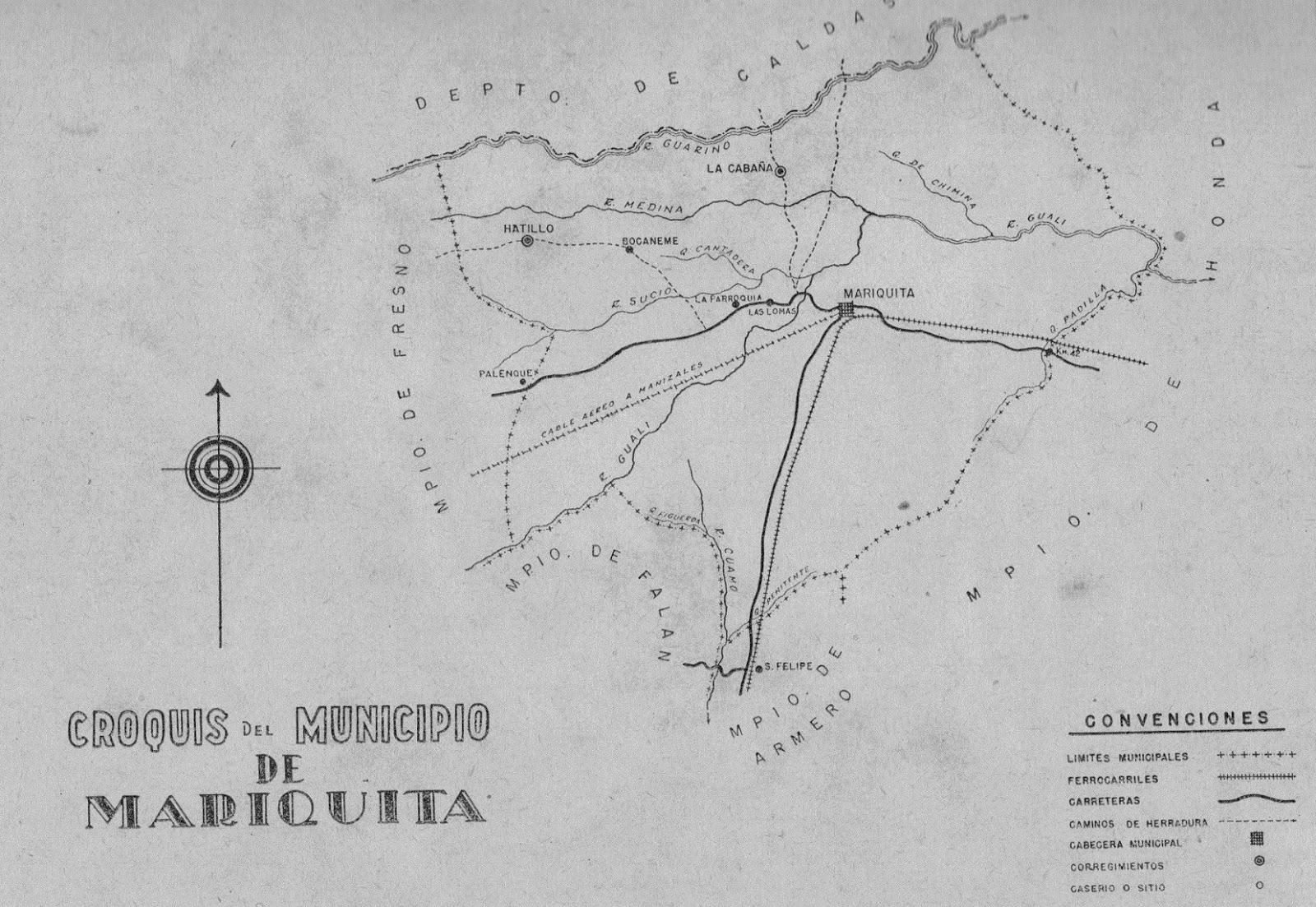
Built by British engineers in the early 20th century, the Mariquita-Manizales Aerial Cableway was the longest in the world, connecting Andean coffee lands to the Magdalena River railway.
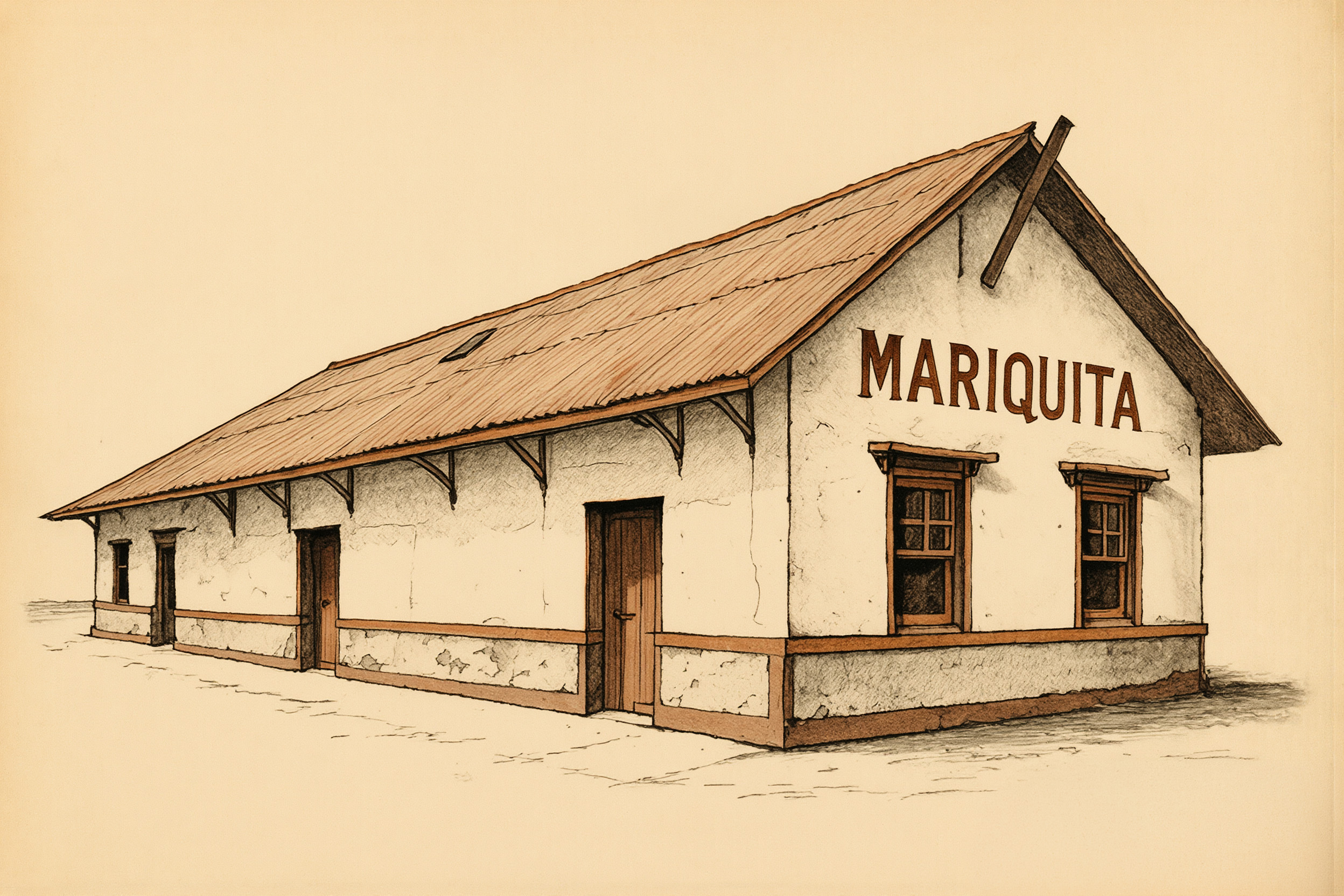
MARIQUITA RAILWAY STATION
Historic La Dorada Railway hub declared a National Cultural Interest Asset (BIC) under Decree 746 of 1996, serving as a vital coffee and freight transport node.
1 / 2
MUTIS MUNICIPAL FOREST
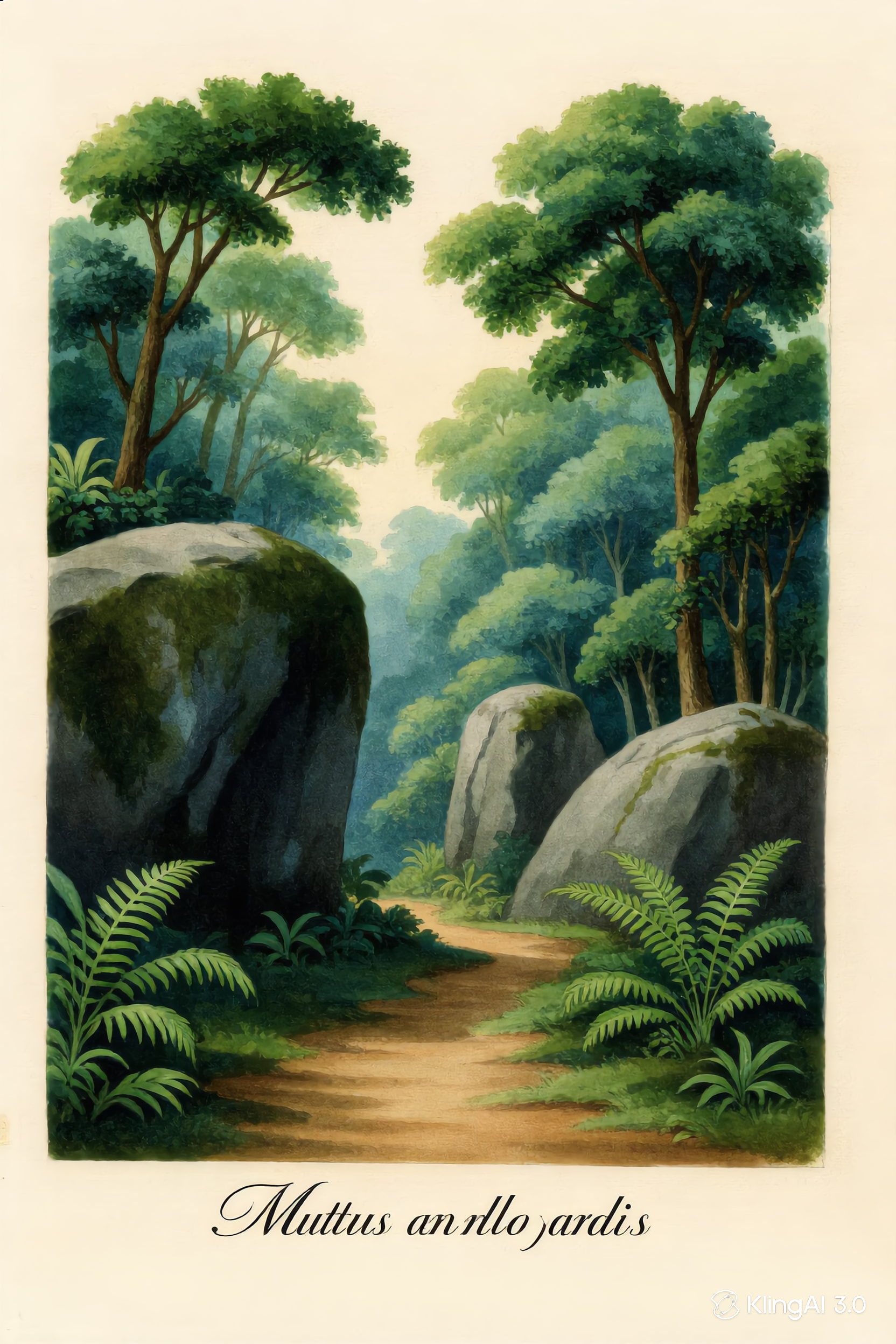
Natural living laboratory explored by Mutis in 1783, protected as a Protective Forest Reserve under Resolution 1240 of 1960 for its exceptional microclimate and biodiversity.
CENTER OF HISTORY
Founded on December 6, 1998, with close institutional ties to the preservation of Casa del Virrey, the Center of History preserved and published the official commemorative journal Noticias Históricas to document Mariquita's viceregal and republican heritage.
Casa de la Segunda Expedición Botánica: Certified Museo Mutis & FUNBOTÁNICA Headquarters
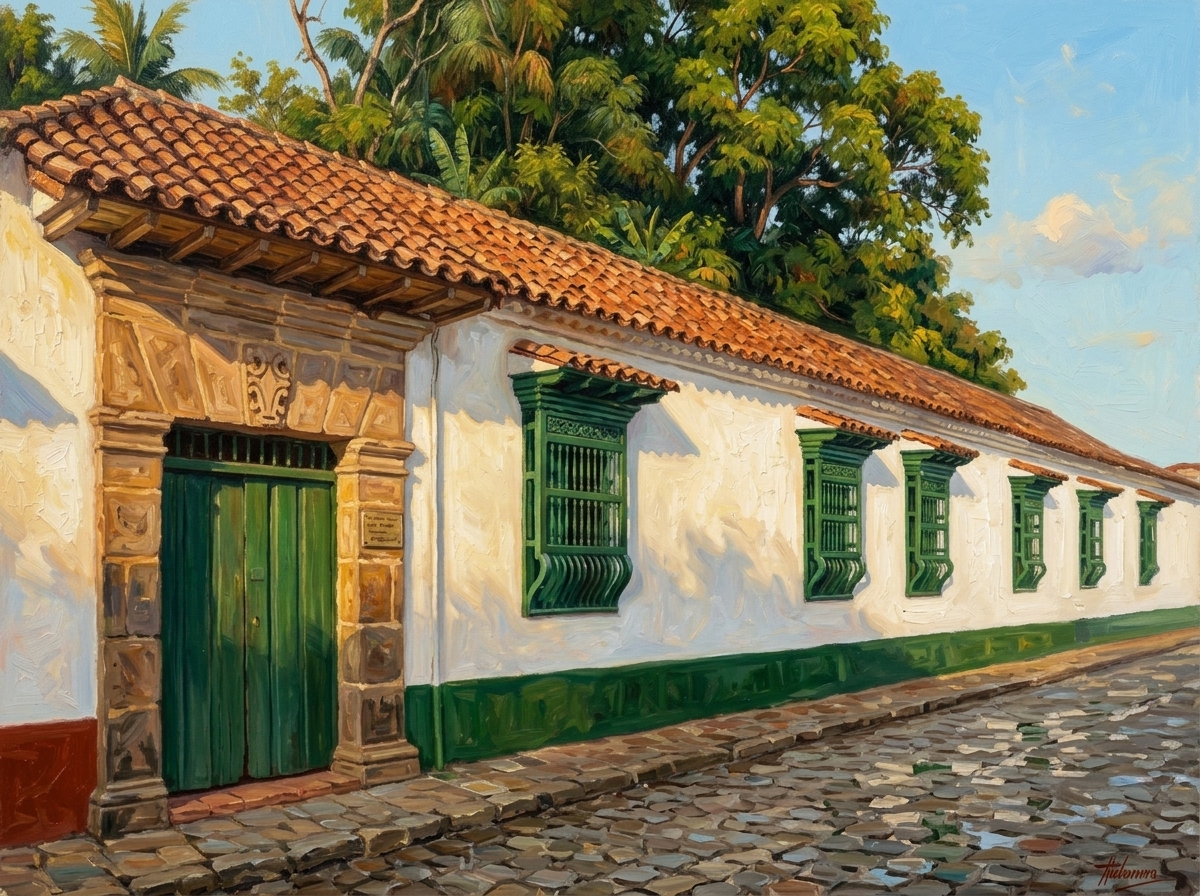
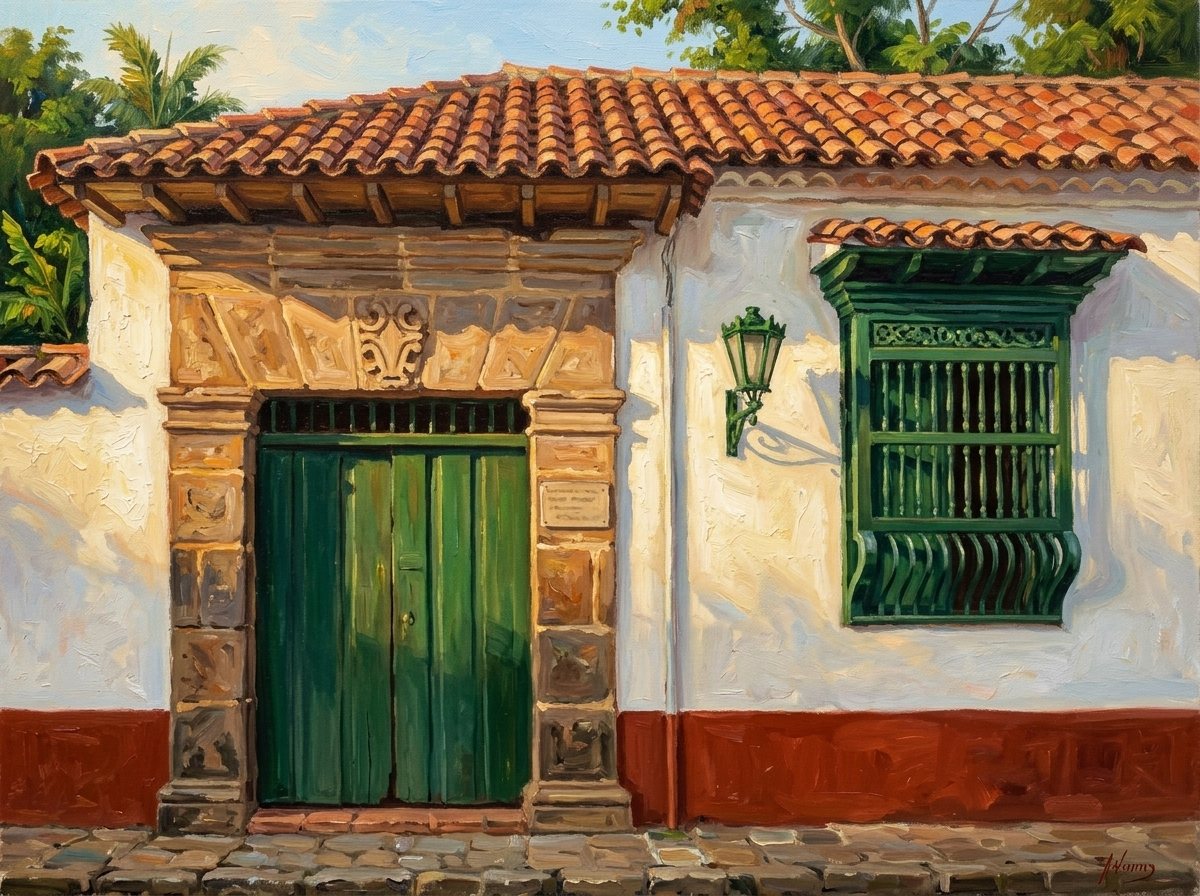
Located at Carrera 3ª # 4-07, just steps from the Plaza Mayor, the Casa de la Segunda Expedición Botánica stands as the most stately colonial manor in Mariquita. Its gleaming whitewashed facade is distinguished by a monumental carved stone entrance portal crowned with baroque architectural moldings, an earthen-red baseboard (zócalo), and upper-floor colonial windows veiled by hand-carved wooden latticework (celosías).
This historic manor functioned as the headquarters for expanded natural science research and now serves as the permanent home of the Fundación Botánica de Colombia (FUNBOTÁNICA) and the Museo Mutis, a museum officially certified by Colombia’s Ministry of Cultures, Arts and Knowledges and registered with the National Museum Registry.
Colonial Facade on Calle 3ª
Perspective of the stately viceregal manor, highlighting the monumental carved stone portal, traditional zócalo, and row of Mudéjar wooden latticed windows.
Carved Stone Portal & Window
Architectural detail of the hand-carved baroque stone gateway and olive-green colonial latticework window, seat of FUNBOTÁNICA and Museo Mutis.
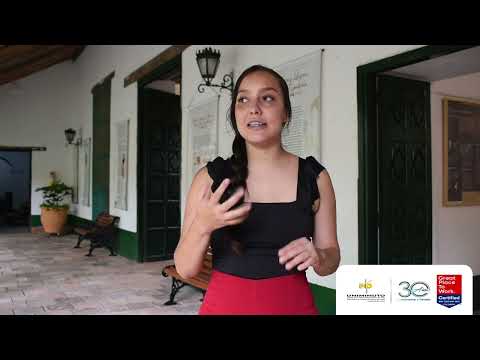
The museum houses original botanical herbarium folios, facsimile editions of Mutis’s illustrated plates authorized by the Royal Botanical Garden of Madrid, 18th-century collecting apparatus, and a dedicated exhibition room honoring the indigenous Panche memory and legendary Princess Luchima.
UNIMINUTO: Casa de la II Expedición & Princess Luchima
University video exploration through the halls of Museo Mutis and the oral legend of Panche heroine Luchima.
Princess Luchima and the Intangible Heritage of the Mariquita Valley
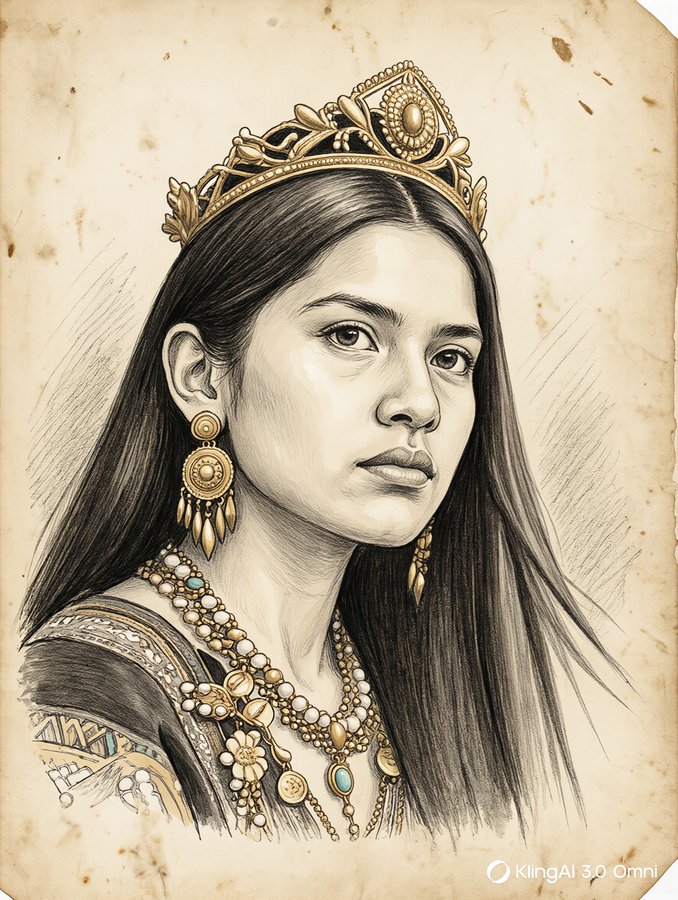
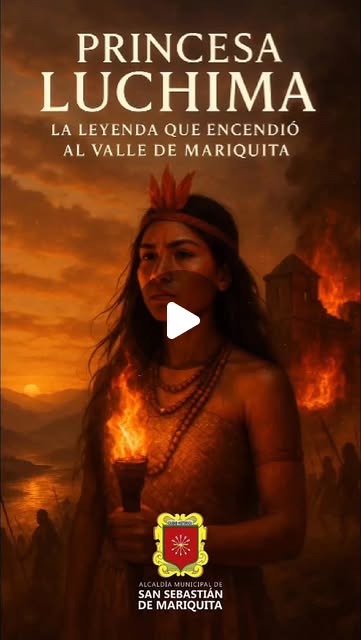
The oral tradition of San Sebastián de Mariquita remembers Luchima as an indigenous princess linked to the chief of Marquetá and the resistance of the valley's native peoples against Spanish colonization. Beyond a singular historical figure, her name synthesizes cultural memory, ancestral territory, and community autonomy.
Her story thrives in local murals, festivals, music, and municipal folklore. "Princess Luchima" names regional cultural pageants in Mariquita, evolving from oral tradition into a contemporary symbol of regional identity.
Ancestral Memory of Mariquita
Intangible symbol of territory, indigenous lineage, and living culture in the Mariquita Valley.
The Mariquita School of Botanical Drawing: Scientific Artistry
One of the Expedition’s most monumental legacies was the founding of the Mariquita School of Botanical Drawing & Painting. Mutis recognized early on that Latin text alone could not capture the vibrant color and anatomy of tropical flora; he recruited and trained a cadre of young artists, including Salvador Rizo, Francisco Javier Matís, Pablo Antonio García, and Manuel José Carbonell.
In the sunlit studios of Mariquita, these master painters pioneered a world-class illustration methodology. Formulating natural pigments from tree bark extracts, fruit macerations, volcanic clays, and mineral ores from local mines, they achieved botanical watercolors with unmatched brilliance. They rendered over 6,600 life-sized botanical plates of breathtaking precision, renowned for mathematical accuracy in floral dissections.
Prussian polymath Alexander von Humboldt, visiting Mutis' studios in 1801 and examining the work of Mariquita artist Francisco Javier Matís, declared in awe that the plates produced in Mariquita represented *"the most perfect, meticulous, and scientifically rigorous botanical illustration work ever created."*
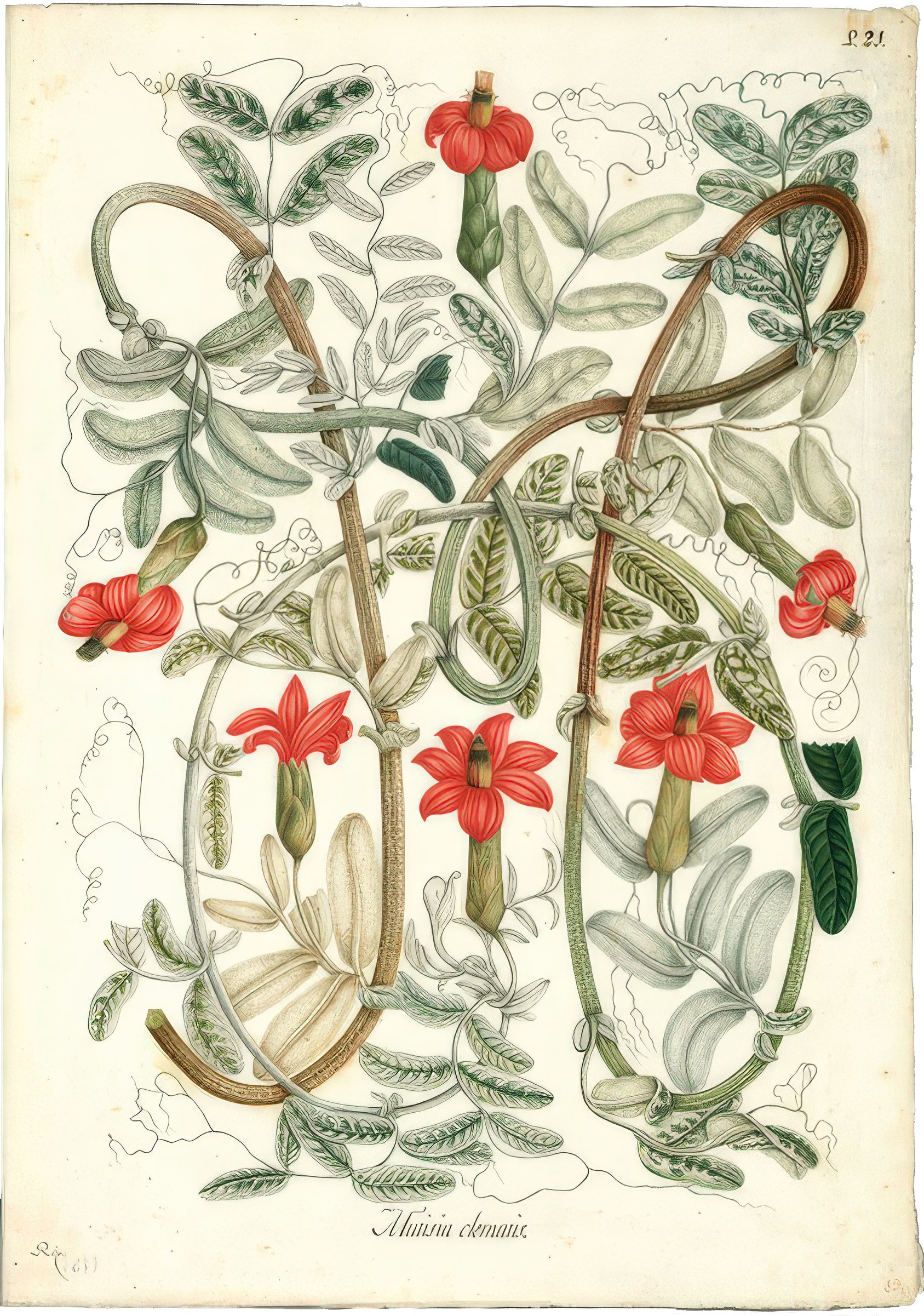
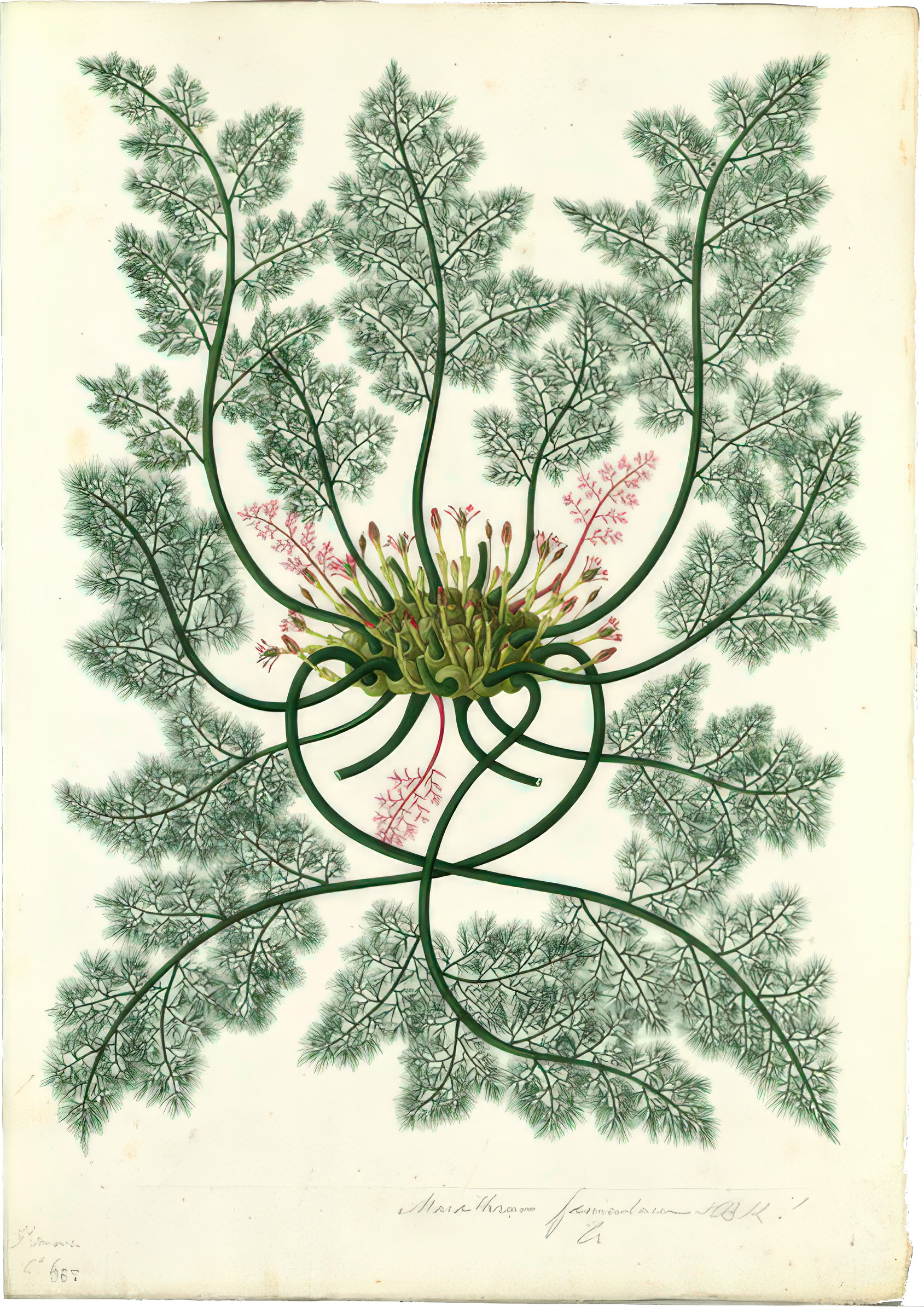
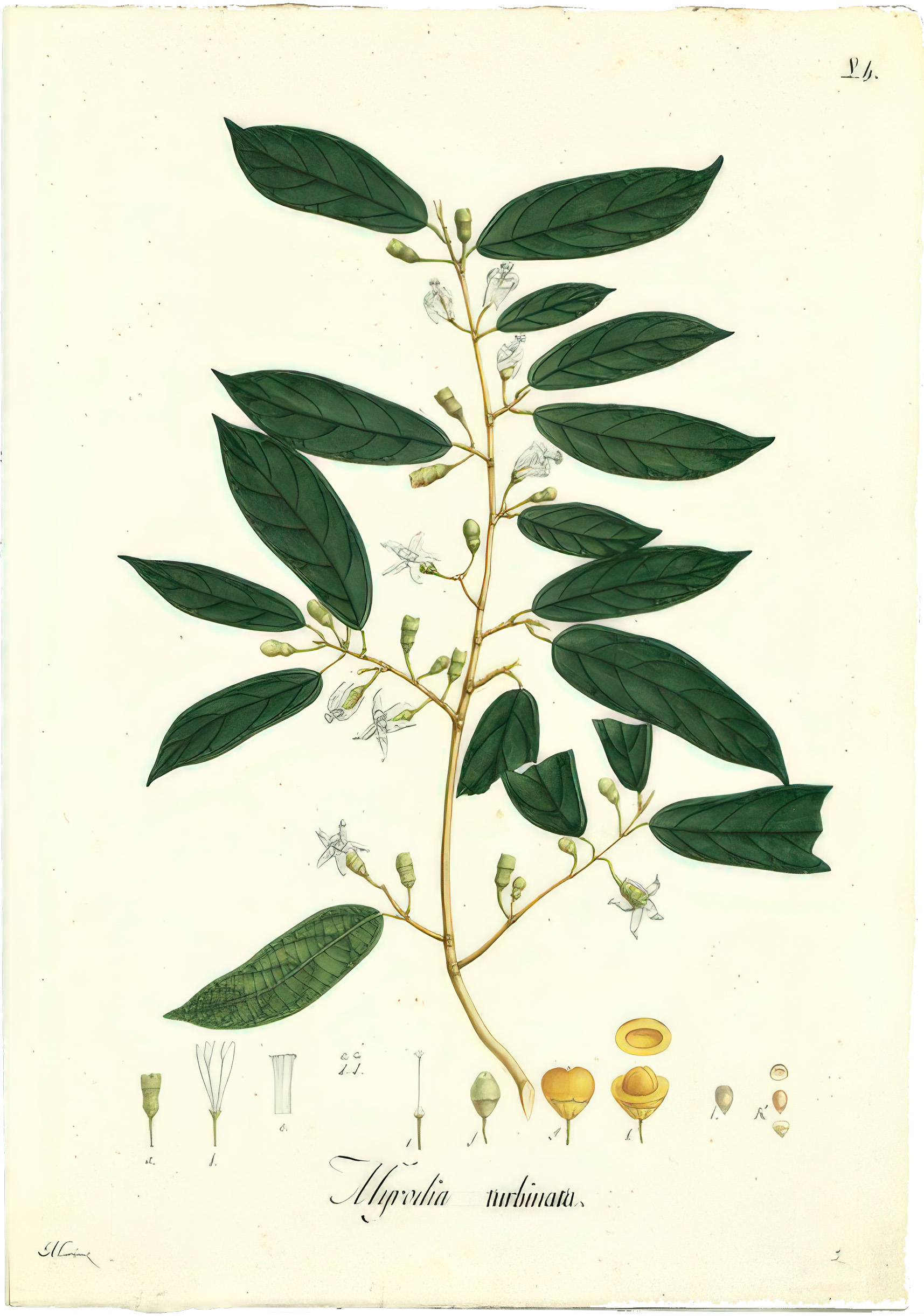
Historical Collection of Botanical Plates from the Expedition
The documentary and iconographic corpus of the Royal Botanical Expedition to the New Kingdom of Granada represents one of the global zeniths of Enlightenment scientific art. The original physical archive is safeguarded and preserved under rigorous climate control and conservation protocols at the Real Jardín Botánico de Madrid (CSIC). This renowned scientific institution cares for the monumental collection of over 6,600 botanical drawings and plates (watercolors, temperas on handmade paper, and meticulous floral anatomies), alongside scientific manuscripts, Mutis' correspondence, and tens of thousands of herbarium sheets created primarily at the Mariquita workshops between 1783 and 1791.
Through ongoing binational restoration programs, taxonomic cataloging, and high-resolution digitization spearheaded by CSIC and Spanish-Colombian scientific commissions, this world heritage treasure remains active and accessible to botanists and historians worldwide. Below are three emblematic masterpieces created in Mariquita, reproduced via Wikimedia Commons and Wikipedia:
Botanical Expedition Salvador Rizo
Mutisia clematis L. f.
Species & Illustrator:Mutisia clematis : Salvador Rizo Blanco
Studio of Origin: Mariquita School of Botanical Drawing
Family: Asteraceae (Mutisieae)
Taxonomic Determination: Santiago Díaz Piedrahita (2001, Fl. Real Exped. Bot., 50: tab. 20)
The scientific portal of the Real Jardín Botánico, CSIC allows virtual exploration of the complete iconographic and documentary corpus of the Expedition: a magnificent testament to New Granada's botanical diversity and the immortal art created in San Sebastián de Mariquita.
The Art of the Botanical Expedition
Artistic analysis of botanical plates painted at the Mariquita School of Drawing.
The Chemical Secret of Cinchona (Quina) & the Cure for Malaria
During the 17th and 18th centuries, malarial fevers represented the greatest epidemiological scourge for European soldiers, sailors, and settlers in the tropics. The discovery that the bitter bark of the Cinchona tree (Cinchona officinalis) contained the active alkaloid capable of breaking malarial fevers triggered an intense scientific and economic race among global empires.
In the Andean forests surrounding Mariquita, Mutis identified lush groves of wild Cinchona. He devoted years to chemical analysis of the bark, classifying four principal varieties (orange, red, yellow, and white) based on alkaloid concentration (later isolated as quinine).
Under Mutis' direction, Mariquita became the imperial processing epicenter for harvesting, drying, grinding, and packaging Cinchona bark. Thousands of quintals wrapped in leather sacks departed on mule trains for the Magdalena River port of Honda, shipping onward to Cartagena de Indias and the royal military hospitals of Madrid and Cádiz. This trade monopoly generated immense revenue for the Royal Treasury and established Mariquita’s scientific prestige in Europe.
FAQ: What everyday products contain quinine today?
The legacy of Mariquita's Cinchona bark lives on in everyday products worldwide. Quinine, the alkaloid Mutis analyzed in these mountains, remains an ingredient in supermarkets, bars, and pharmacies globally.
Beverages and cocktails:
Tonic water (Schweppes, Fever-Tree, Q Tonic, etc.): the signature bitterness of a gin & tonic comes directly from quinine extracted from Cinchona bark. It is the direct descendant of the "quinine water" colonial doctors prescribed against malaria.
Vermouth and Italian aperitifs (Martini, Cinzano, Carpano Antica): all contain Cinchona bark extract among their macerated botanicals.
Angostura Bitters and classic bitters: cocktail bitters originated as medicinal Cinchona tonics in the 19th century.
Aperol, Campari, and Cynar: Italian amari include Cinchona bark extract in their secret herbal recipes.
Artisanal ginger ales & bitter sodas: many craft mixers incorporate Cinchona bark as a natural bittering agent.
Pharmaceuticals:
Quinine sulfate: still prescribed globally to treat resistant malaria and nocturnal leg cramps.
Quinidine: cardiac antiarrhythmic medication derived from Cinchona, used to treat atrial fibrillation.
Aperitif wines & liqueurs:
Quinquina wines (vin de quinquina): Lillet Blanc, Dubonnet, and Kina Lillet are fortified aperitif wines flavored with Cinchona bark since the 1800s.
China Martini and alpine herbal liqueurs: popular European digestive liqueurs crafted with Cinchona bark.
The Mariquita Connection: next time you enjoy a gin & tonic or an Aperol Spritz, remember that the bitterness in your glass descends directly from the Cinchona bark Mutis harvested, analyzed, and exported from the forests surrounding this municipality.
The Viceroys of New Granada & Their Summer Court in Mariquita
Owing to its warm constant climate (26°C to 28°C), medicinal thermal springs, fruit orchards, and nearby silver mines in Falan and Santa Ana, San Sebastián de Mariquita was selected as the summer resort and retreat court for New Granada’s premier rulers.
Viceroys such as Don Pedro Mesía de la Cerda and Archbishop-Viceroy Don Antonio Caballero y Góngora periodically relocated their chancellery and diplomatic corps to Mariquita. During extended residencies, they issued royal decrees, received diplomatic missions from the Royal Audiencia, and personally inspected scientific progress at Mutis’ workshop.
Historic Watercolor of the Casona
Period artistic watercolor depiction of the Calle 2ª viceregal facade.
Viceregal Architectural Details
1.10-meter thick rammed-earth masonry and native cedar entrance portal.
Casa del Virrey: Epitome of BIC Colonial Heritage
Preserving the majesty of 18th-century viceregal architecture, the complete Casa del Virrey city block (6,038 m²) offers an unparalleled real estate and cultural opportunity in Mariquita's historic core.
The Royal Mint & the Santa Lucía Ruins (1805 Earthquake)
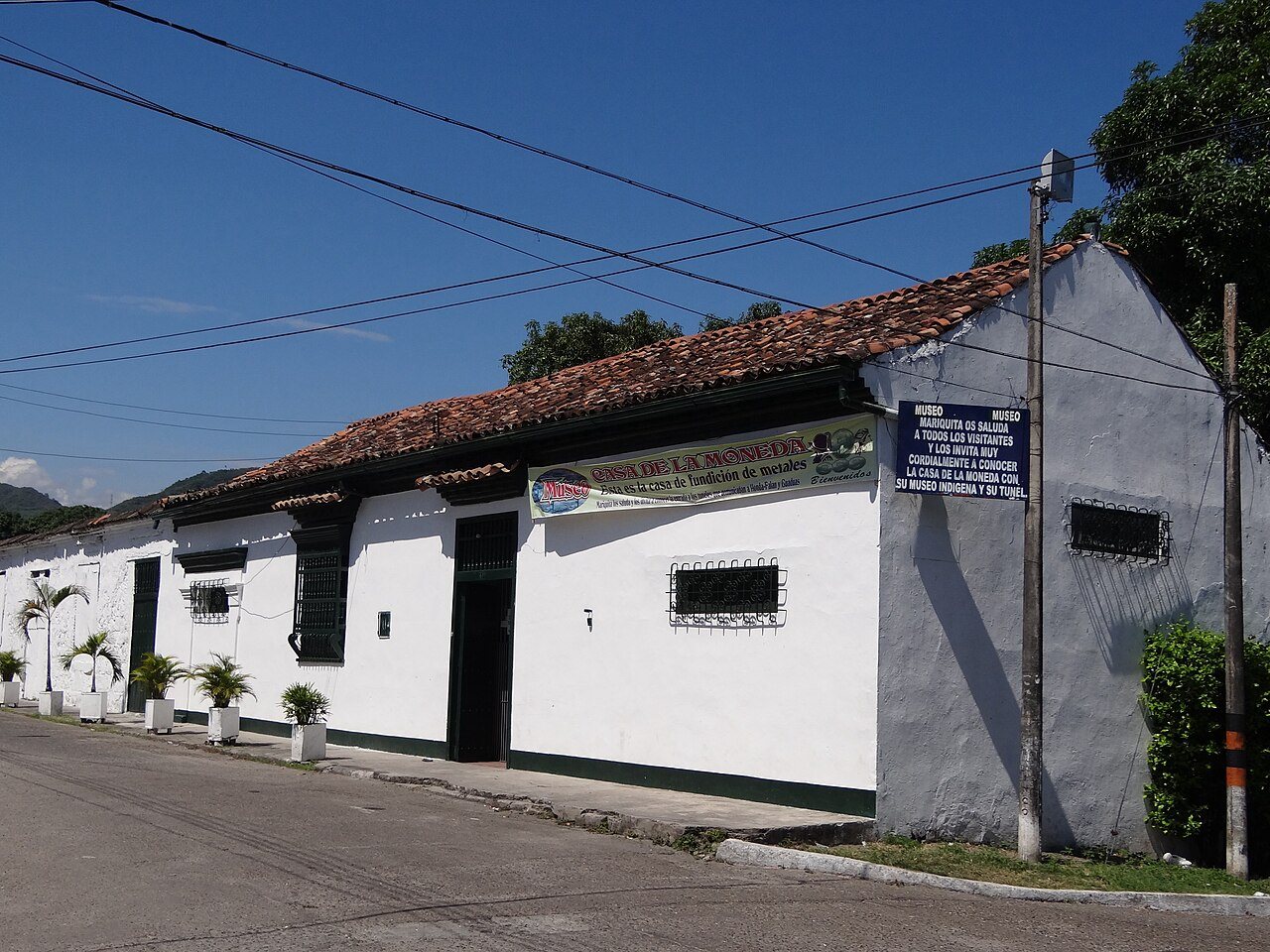
Mariquita was also home to the Royal Mint (Casa de la Moneda) and Royal Treasury, where silver mined from Falan and surrounding districts was assayed, smelted, and minted into currency. The town's economic prosperity attracted royal assayers, financiers, and European mining engineers.
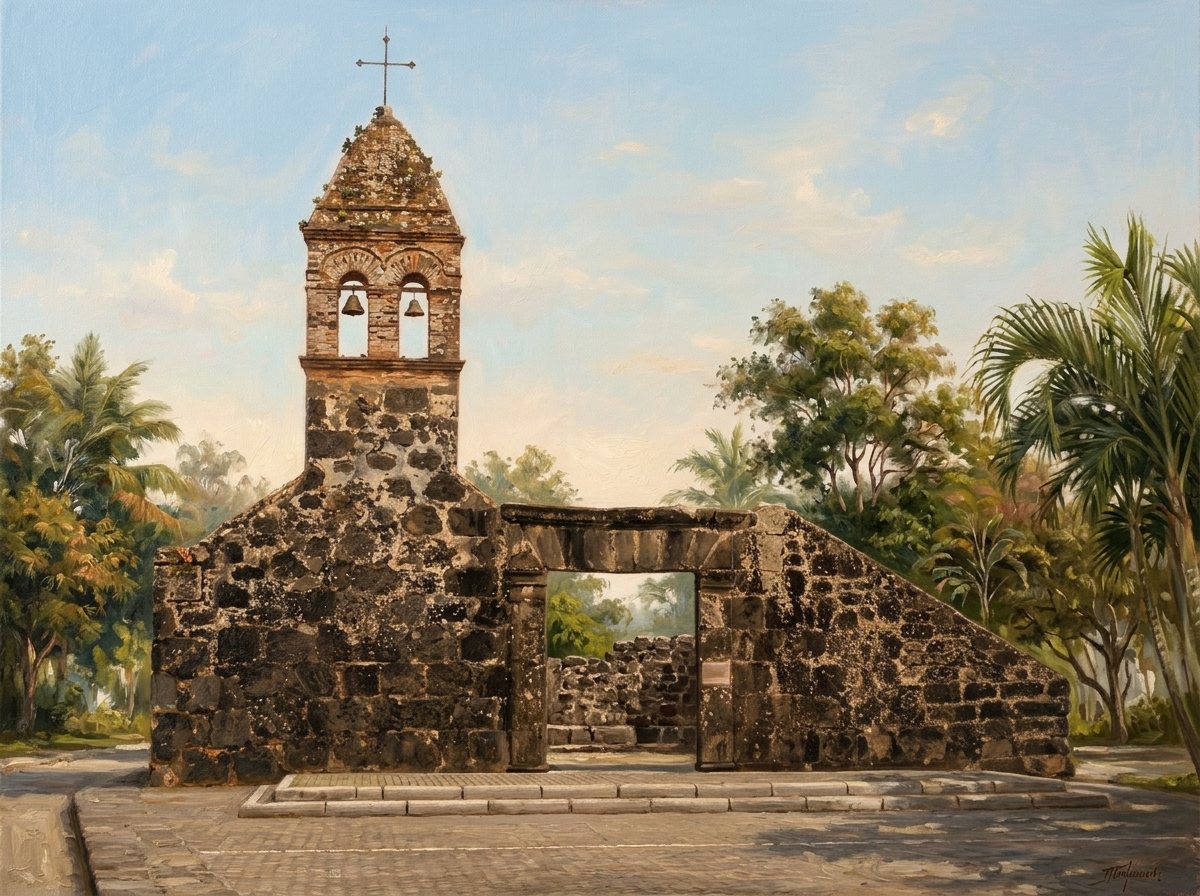
On June 16, 1805, Mariquita’s trajectory was struck by a powerful earthquake that destroyed stone cathedrals and manor houses. However, the structural resilience of colonial foundations allowed key monuments to survive: the stone belfry of the Santa Lucía Ruins and the perimeter walls of the Royal Mint remain standing as enduring monuments of Colombian history.
Royal Mint Museum
Colonial facade, stone arches, and numismatic exhibition along Calle 2ª.
Santa Lucía Ruins
Stone belfry and convent perimeter wall that survived the great earthquake of 1805.
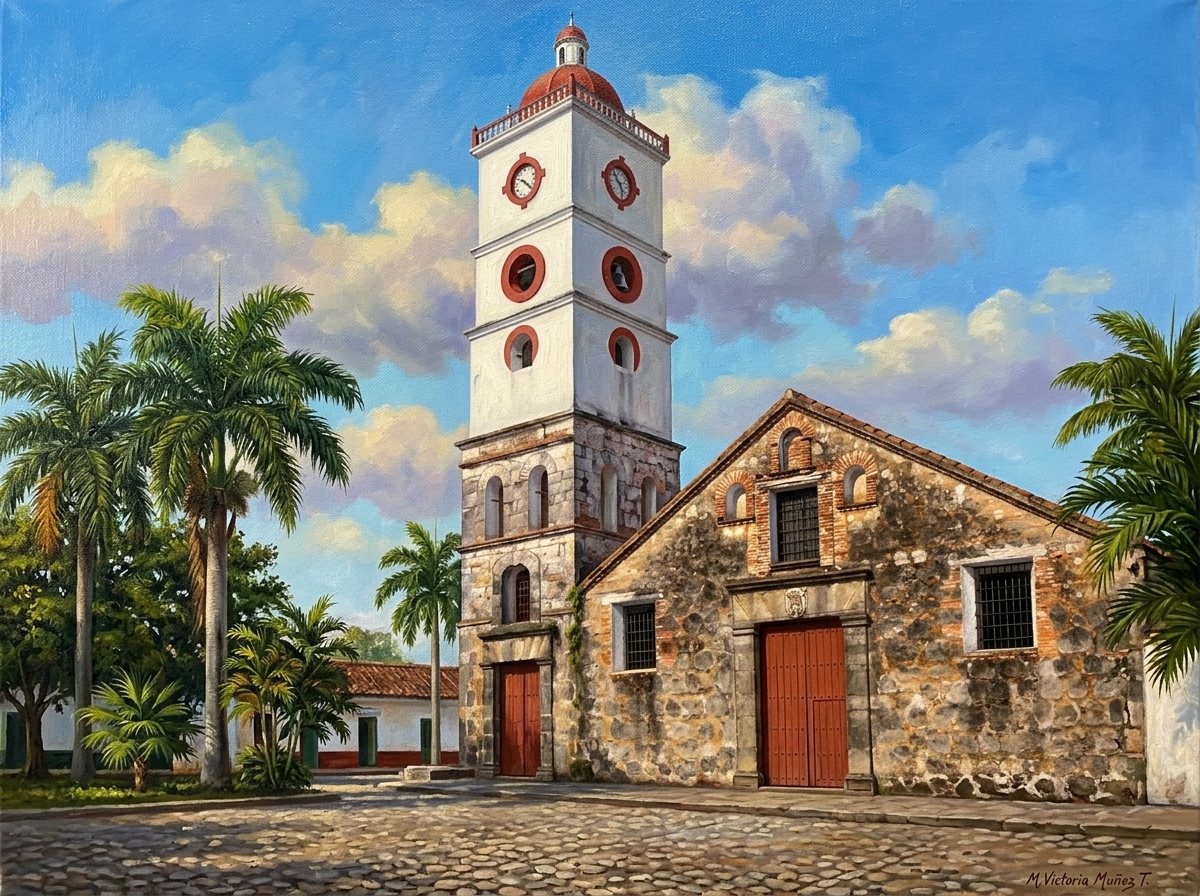
Cathedral Mayor of San Sebastián: Colonial Stronghold, the Historic Clock, and the Tomb of the Founder of Santafé de Bogotá
Standing prominently on the eastern flank of the Plaza Mayor, the Cathedral Mayor of San Sebastián has served as the spiritual, civic, and institutional heartbeat of Mariquita since the city's relocation in 1553. Built with massive stone and lime walls, a solemn timber-framed nave, and an iconic belfry crowned by a historic colonial clock tower, the cathedral stands as the most enduring physical monument of Tolima's colonial heritage.
The cathedral's most solemn historical chapter is inextricably linked with Don Gonzalo Jiménez de Quesada, renowned founder of Santa Fe de Bogotá and Adelantado of the New Kingdom of Granada. Spending his twilight years organizing and defending the province as Perpetual Mayor of San Sebastián de Mariquita, Quesada passed away in this city on February 16, 1579, succumbing to the leprosy contracted during his legendary expeditions in search of El Dorado.
Cathedral Mayor of San Sebastián
Colonial stone facade and clock belfry of the principal parish cathedral overlooking Mariquita's Plaza Mayor.
Per his final testament, the Adelantado’s remains were interred beneath the cathedral's vaults, where they rested with full military and ecclesiastical honors for over two centuries. In 1897, his ashes were solemnly exhumed with state honors and transferred to the Primatial Cathedral of Bogotá, forever uniting the founding memories of Mariquita and Colombia’s capital city.
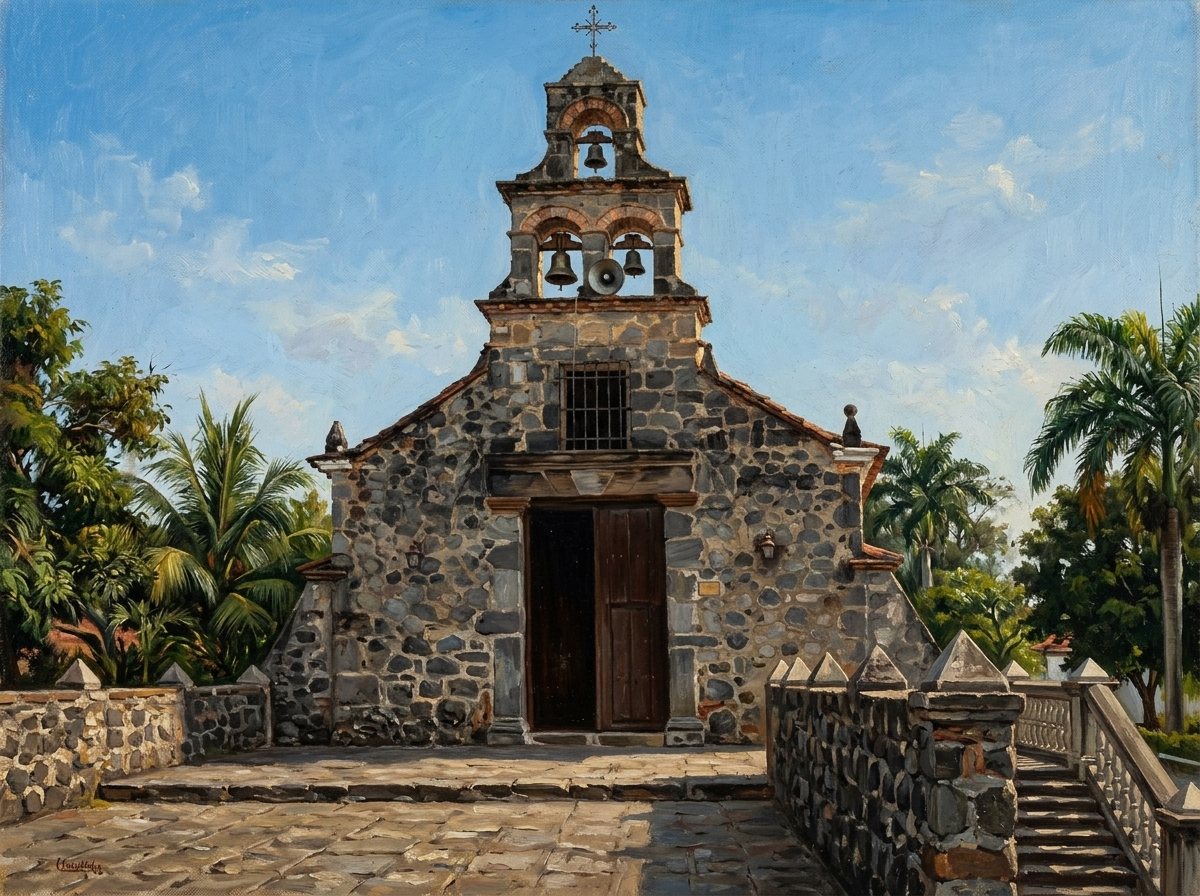
Diocesan Sanctuary of La Ermita & Santa Lucía Ruins: Four Centuries of Faith and Earthquakes
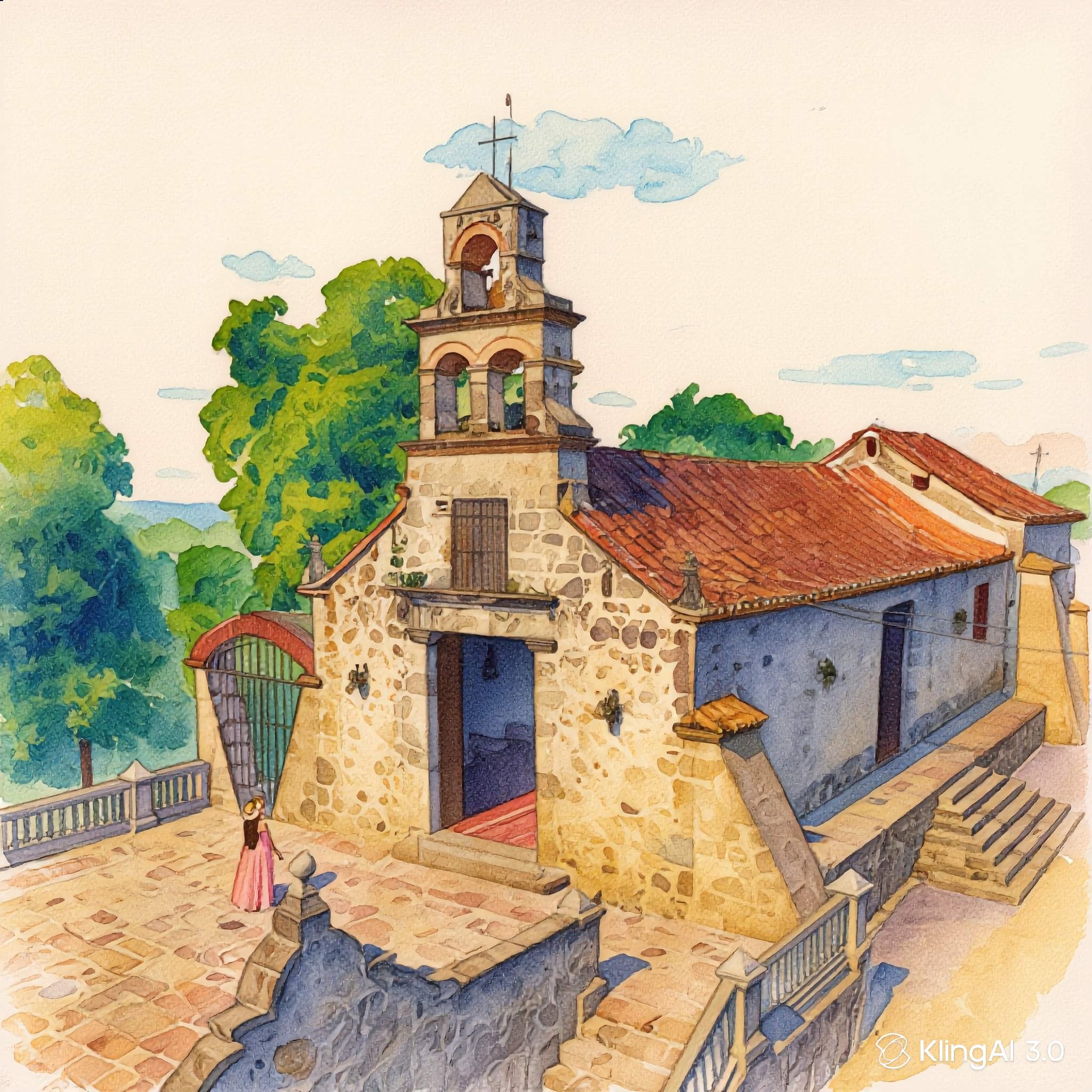
Constructed in the late 16th century on the eastern approaches to the villa, the Diocesan Sanctuary of La Ermita is the oldest surviving colonial chapel in Mariquita. Its humble single-nave layout with adobe and fieldstone walls, Spanish clay-tile gable roof, and characteristic three-arch stone bell gable (espadaña) rising above a terraced stone atrium preserves the serene atmosphere of early Viceroyalty hermitages.
Inside rests the deeply revered polychrome wooden crucifix of the Señor de la Ermita (popularly known as the Christ of the Wayfarers). According to colonial parish chronicles, this holy effigy was gifted to Mariquita by an Infanta of Spain, daughter of King Philip II, at the personal petition of Gonzalo Jiménez de Quesada, after having accompanied Christian fleets across the Mediterranean Crusades and the historic Battle of Lepanto (1571). Every year during the Feast of the Ascension, tens of thousands of pilgrims ascend its stone stairways seeking blessings and healing.
Sanctuary of La Ermita
Unplastered rustic stone masonry, three-bell stone espadaña, and historic courtyard atrium where the Christ of the Wayfarers is venerated.
Just a short walk from La Ermita lie the poignant Ruins of Santa Lucía (the ancient Dominican Monastery and Temple of Saint Dominic). Crafted in cut stone masonry and fired brick, the complex collapsed during the catastrophic earthquake of June 16, 1805. Amid these haunting collapsed stone arches, Spanish Reconquest forces under General Pablo Morillo executed the patriot governor and lawyer José León Armero in 1816 alongside brave local heroines Carlota Armero and Estefanía Linares.
History Continues at Casa del Virrey
Casa del Virrey connects this urban memory to a living heritage experience: an expansive 6,038 m² full city block estate in Mariquita's historic core, featuring a protected BIC casona and grounds primed for conservation, luxury hospitality, and culture.
The Mariquita-Manizales Aerial Cableway & the La Dorada Railway: 20th-Century Industrial Revolution
San Sebastián de Mariquita shines not only for its viceregal colonial golden age; during the opening decades of the 20th century, the city became the epicenter of Colombia's Industrial Revolution and transportation engineering. Its strategic position connecting the high Andean cordillera to steam navigation on the Magdalena River made it an indispensable inland customs port and logistics hub for Colombia's booming coffee export economy.
The Mariquita-Manizales Aerial Cableway: A Global Engineering Marvel
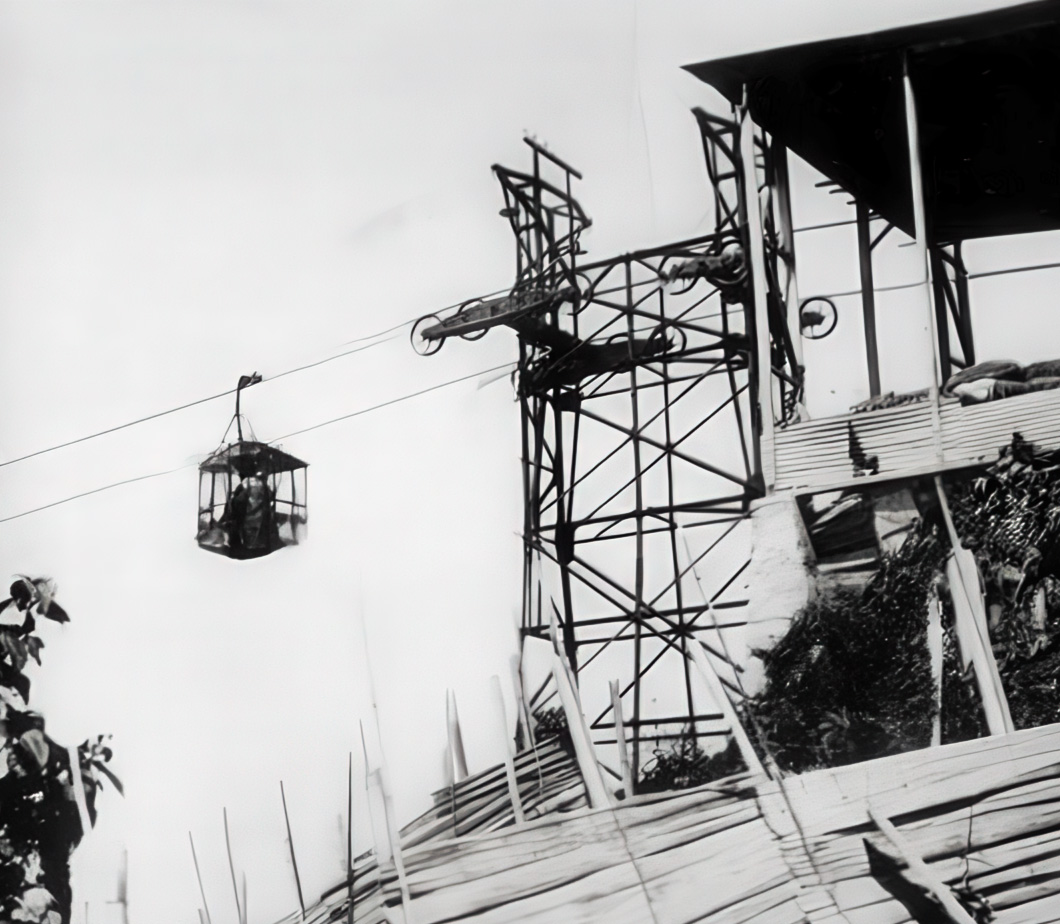
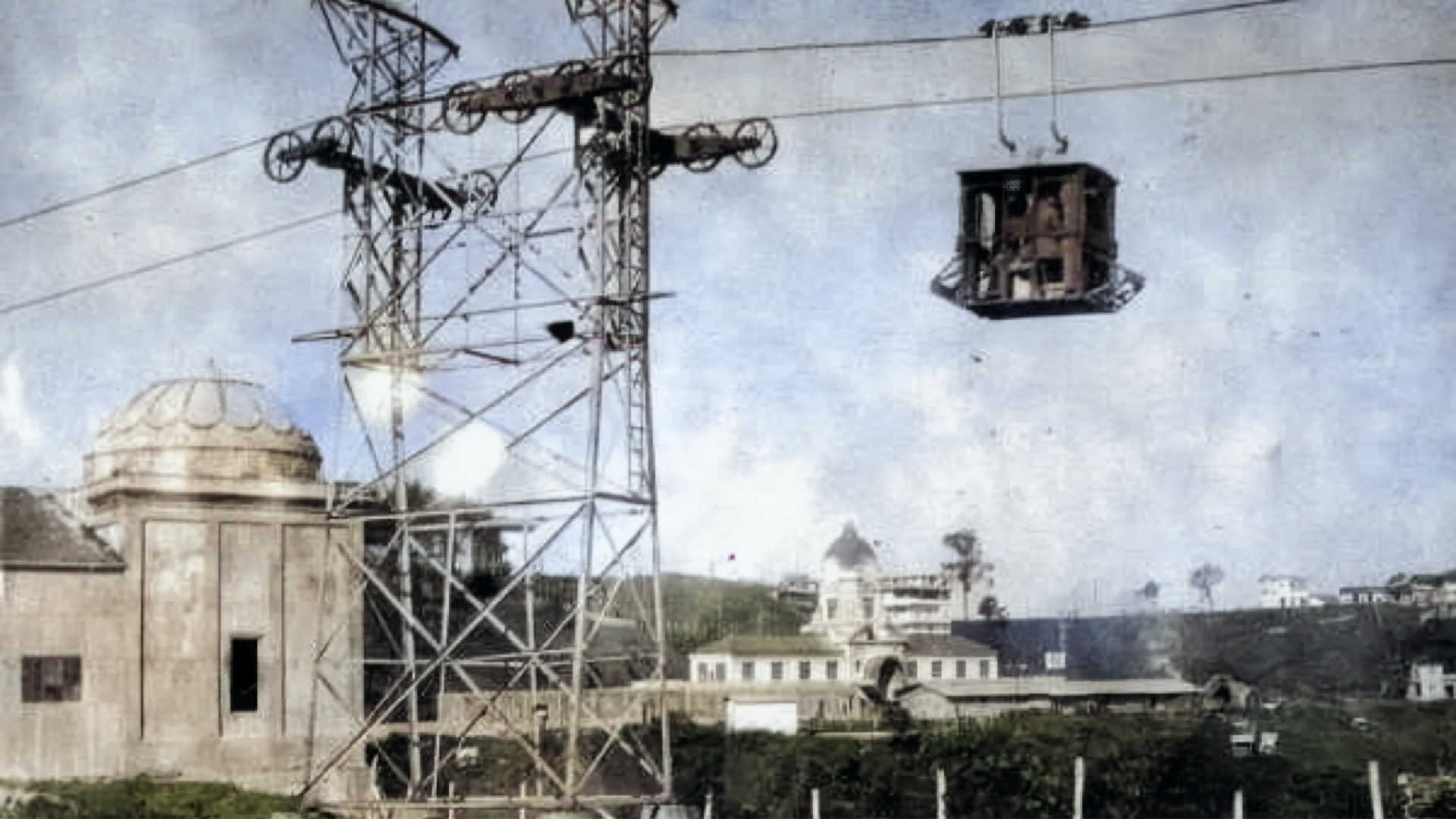
Conceived and financed by the British firm The Dorada Railway Ropeway Extension Limited and engineered by James F. Lindsay, construction of the Mariquita-Manizales Aerial Cableway commenced in 1913 and was officially inaugurated in 1922. Spanning 72.6 continuous kilometers (45 miles), supported by 376 galvanized steel towers bolted into sheer Andean precipices, and operated across 22 intermediate stations, this engineering feat held the Guinness World Record for over four decades as the longest aerial freight ropeway in human history.
The cableway traversed a dramatic elevation change from 495 meters above sea level in Mariquita to 2,150 meters in Manizales, conquering the towering Alto de las Cruces pass at over 3,700 meters altitude. Hundreds of suspended metal buckets carried thousands of tons of premium mild Colombian export coffee daily to Mariquita's warehouses, returning up the mountain laden with machinery, British textiles, and European imports.
Terminal Station & Steel Towers (1922)
Archival photograph of the terminal station, heavy pulley mechanisms, and steel cable network crossing the Central Andes.
Suspended Freight Buckets & Operators
Workers and sacks of export coffee transported across Andean chasms along the 72.6-kilometer cableway line.
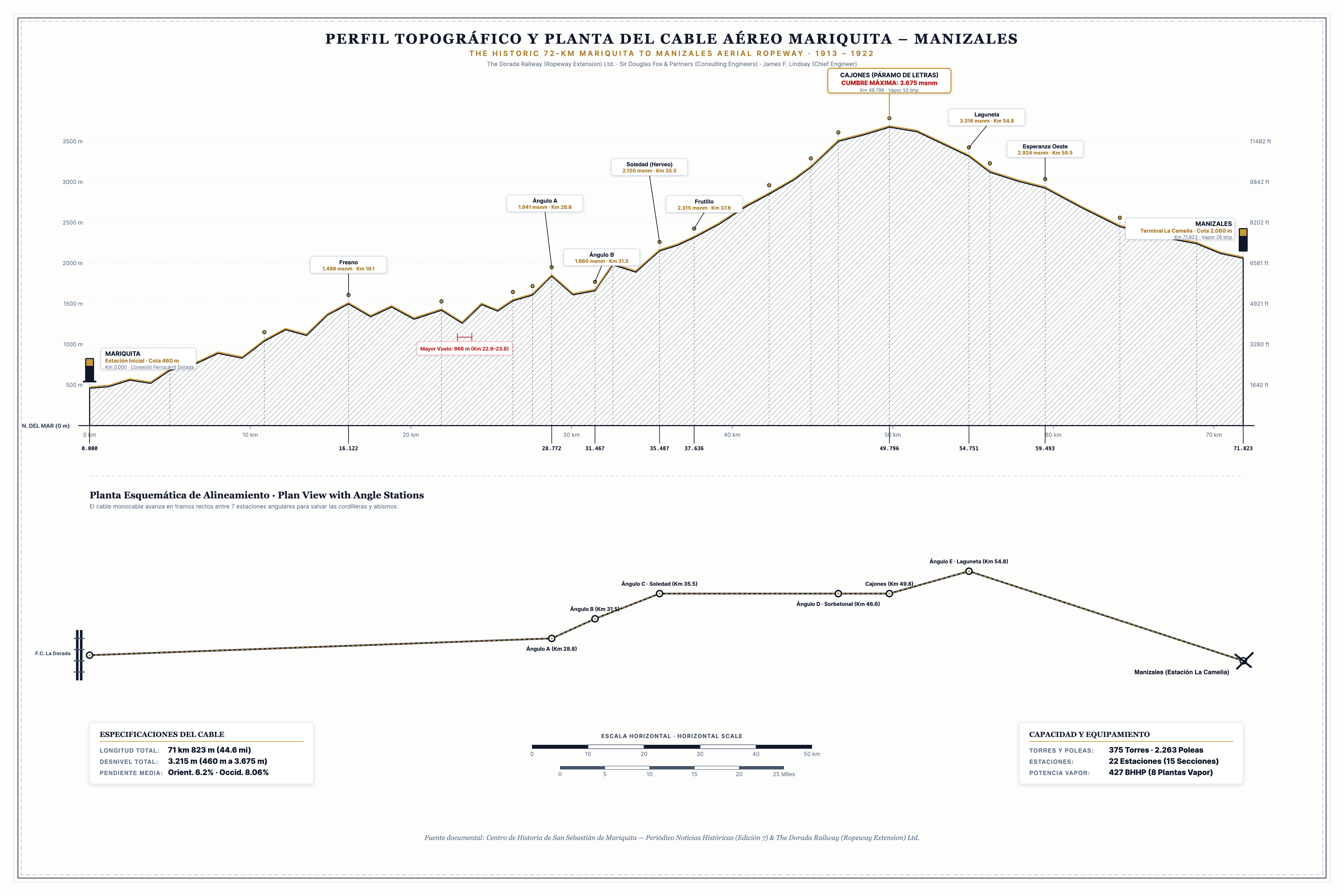
Official Topographic Profile & Alignment Plan of the Aerial Ropeway (1913–1922)
Official engineering drawing faithfully reconstructed from archival records published in Noticias Históricas (Edition 7, p. 11) and documents of The Dorada Railway (Ropeway Extension) Ltd. Features the longitudinal cross-section from Mariquita (460 m) over the high Andean summit at Cajones / Páramo de Letras (3,675 m) down to Manizales (2,060 m), alongside the planimetric alignment of the 7 angle stations and the record 966-meter unsupported tower span. British consulting by Sir Douglas Fox & Partners and Chief Engineer James F. Lindsay.
Total Length: 71 km 823 m (44.6 mi)Total Elevation Drop: 3,215 mTowers: 375 pylonsPulleys: 2,263Steam Power: 427 BHHPCapacity: 17,300 pack oxen
The La Dorada Railway and the National BIC Historic Station
In Mariquita, the Aerial Cableway connected seamlessly with the La Dorada Railway, the vital rail artery linking Mariquita to Honda, Ambalema, and the deepwater river port of La Dorada. Steam trains whisked coffee bags directly onto sternwheel steamships destined for Barranquilla and international markets in New York and London.
The stately Mariquita Railway Station, crafted in English industrial exposed-brick architecture with expansive cargo warehouses and maintenance roundhouses, was designated a National Asset of Cultural Interest (BIC) by Presidential Decree 746 of April 24, 1996. Today, this monumental complex stands as a living tribute to Colombia’s golden age of railway and coffee commerce.
National Railway & Industrial Heritage
Officially declared a National Monument (BIC) by the Ministry of Culture. Living testament to the world's longest aerial ropeway.
The Sovereign Republic of Mariquita & the 1815 Constitution: Popular Sovereignty & the Martyrdom of José León Armero
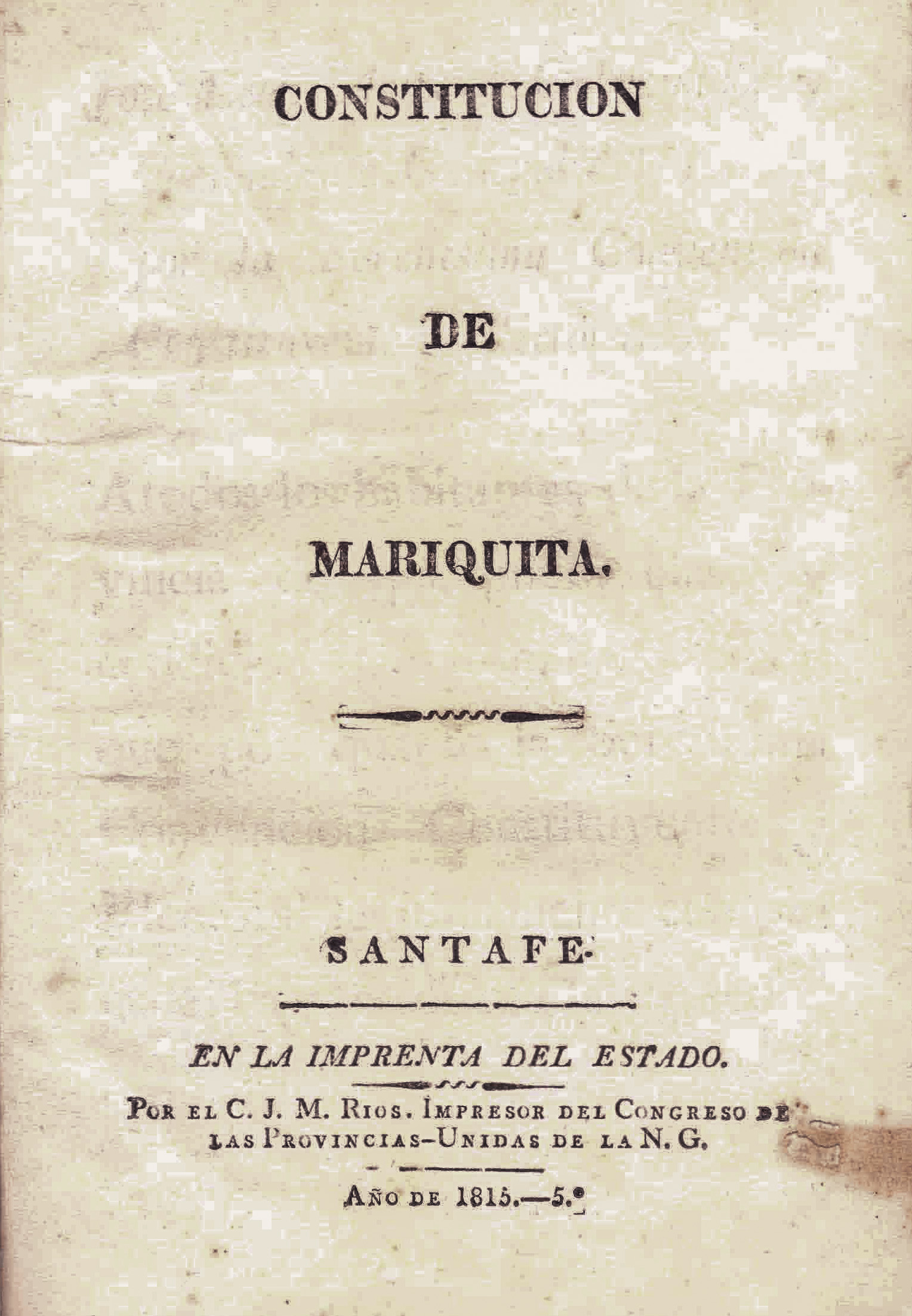
One of the most heroic and under-told sagas of Colombian independence unfolded in the streets of San Sebastián de Mariquita. On December 22, 1814, the Electoral College convened in the town and solemnly proclaimed the absolute independence of the Province of Mariquita from the Crown of Spain and all foreign powers. Months later, in August 1815, the Constitution of the State of Mariquita was ratified and promulgated by Governor José León Armero.
As documented in scholarly research published in Noticias Históricas, the Mariquita Constitution was an avant-garde Enlightenment charter: it abolished feudal privileges, instituted strict separation of executive, legislative, and judicial powers, guaranteed freedom of the press without prior censorship, and protected universal civil liberties. Mariquita stood as a sovereign member state within the United Provinces of New Granada.
The 1815 Constitutional Preamble
"In the name of Almighty God, author and supreme legislator of human societies... the people of the Province of Mariquita, desiring to secure forever freedom, equality, security, and property, sanction for the government of this State the present Constitution..."
- José León Armero, Governor & Commander General of the State of Mariquita (August 1815).
This republican dawn was violently crushed in 1816 during the Spanish Reconquest led by General Pablo Morillo. Royalist forces stormed Mariquita, capturing Governor José León Armero. He was executed by firing squad against the walls of the Dominican convent (today's Santa Lucía Ruins), consecrating with his life the sacrifice of a province that chose martyrdom over imperial subjugation.
The Immortal Heroines: Carlota Armero, Estefanía Linares & the Female Resistance in the 1816 Reconquest
In the official annals of the Colombian struggle for emancipation, traditional historiography long overlooked or peripheralized the intrepid audacity of women who challenged the imperial Crown. Yet in San Sebastián de Mariquita, freedom was never an exclusively male enterprise: it was sustained with fierce devotion, conspiratorial intelligence, logistical networks, and blood by heroic patriots who surrendered their lives for the young Republic.
Historical research preserved in the official journal of the Center of History of San Sebastián de Mariquita, Noticias Históricas, documents with chronological precision and genealogical evidence the martyrdom of the noble Mariquiteño heroines Carlota Armero and Estefanía Linares, executed by firing squad in 1816 under the royalist Reign of Terror commanded by Spanish General Pablo Morillo and Lieutenant Colonel Carlos Tolrá.
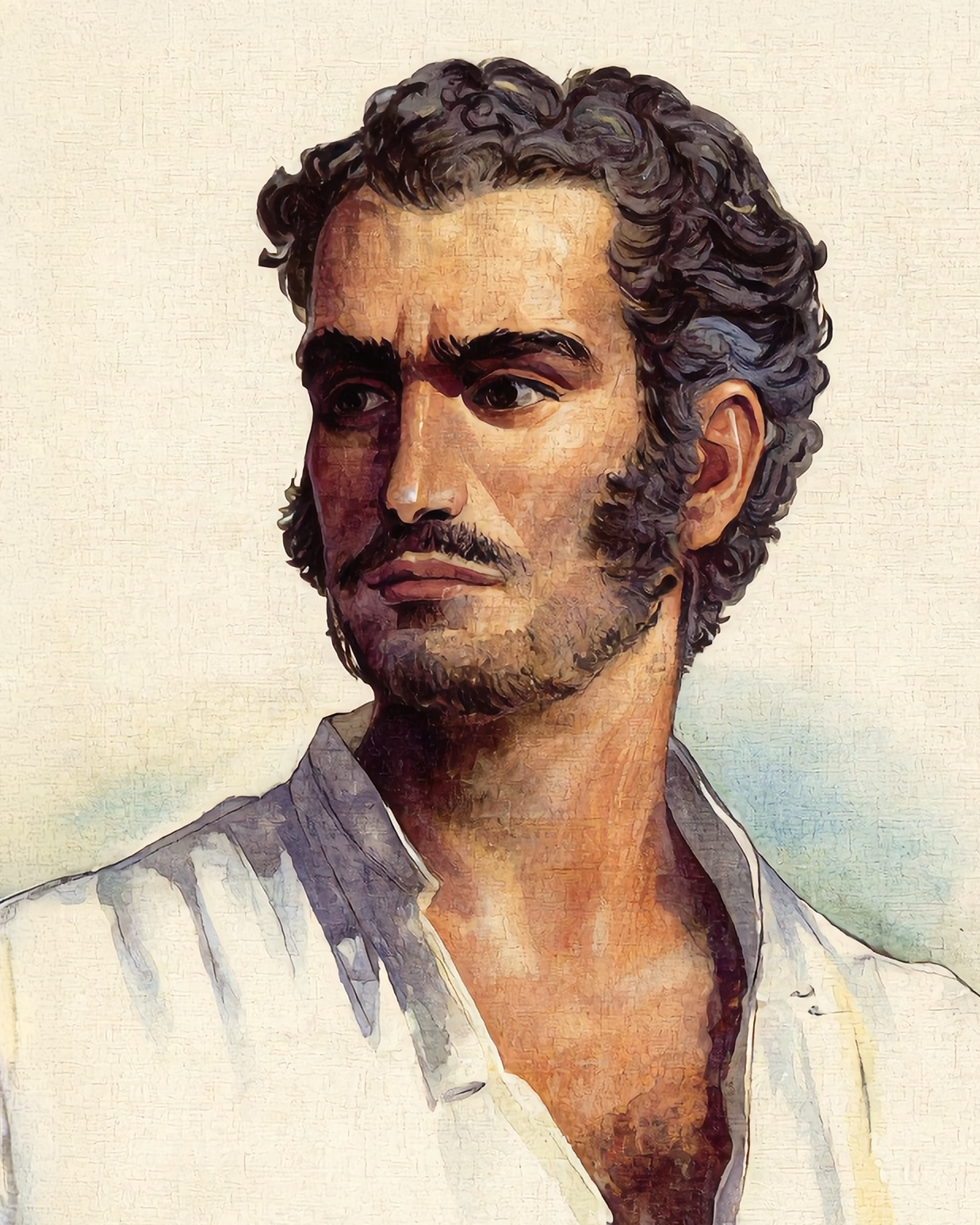
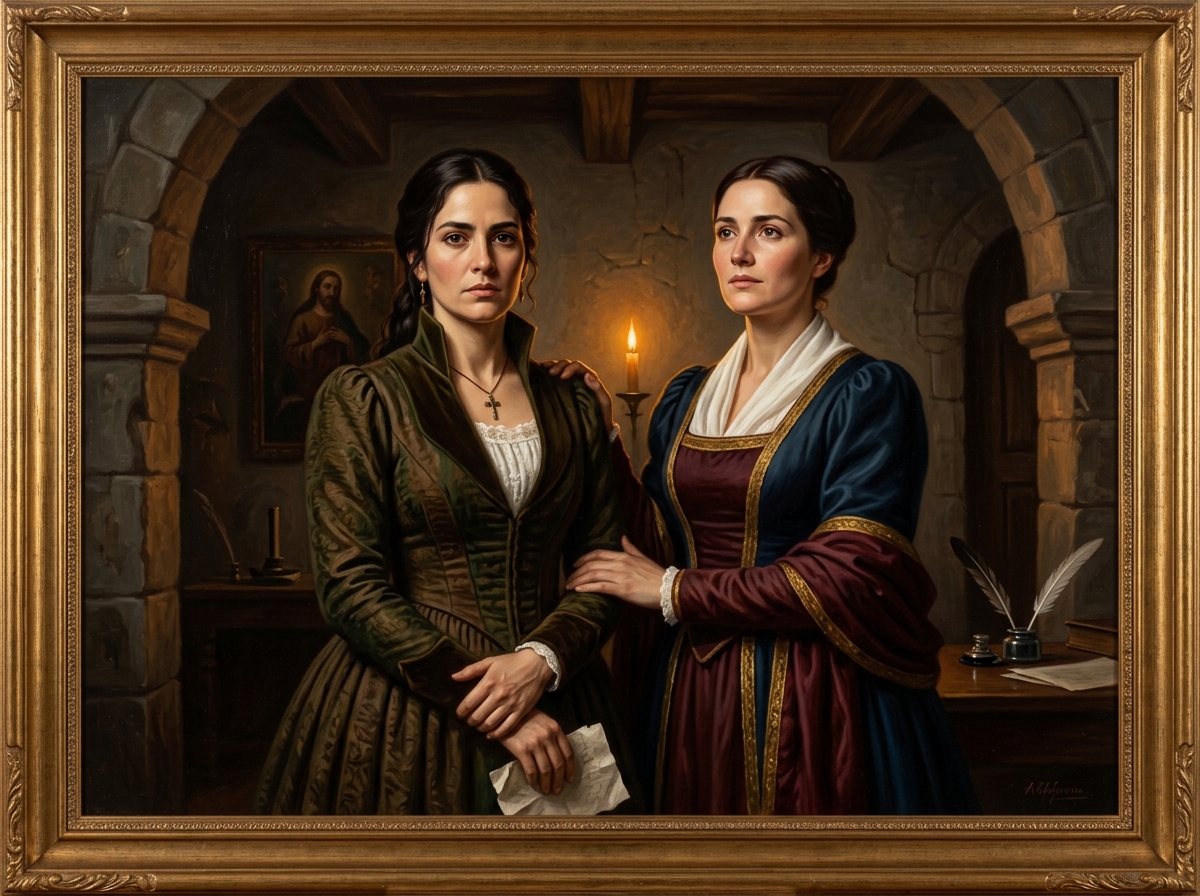
Commemorative Artistic Reconstruction
The Heroines of May and October: Carlota Armero and Estefanía Linares
Archival historical note: As with prominent national heroines Policarpa Salavarrieta and Antonia Santos, no life portraits of Mariquita's female civilian martyrs were preserved due to summary court-martials and the terror of the 1816 Spanish reconquest. This artistic reconstruction is a contemporary visual homage, strictly grounded in period criollo attire, colonial stone arcades, and clandestine correspondence records: on the left, Carlota Armero bearing republican dispatches; on the right, Estefanía Linares, guardian of civic supply networks for the provincial resistance.
Carlota Armero: Defying the Tyrant & Martyrdom on May 28, 1816
Born in San Sebastián de Mariquita in 1798, Carlota Armero belonged to one of the most patrician and affluent criollo lineages of the Upper Magdalena. Daughter of Don José Valentín Armero and Doña Ana Josefa Conde, and granddaughter of Don José Sebastián Armero, she was intimately connected to the intellectual and political leaders of the revolution: first cousin to martyr Governor José León Armero and niece by marriage to independence hero Antonio Viana (Noticias Históricas, Issue 3, p. 14; StoryMaps ArcGIS; and Banrepcultural).
At 18 years of age, Carlota stood out not only for high birth and beauty, but for refined intellectual learning and unyielding devotion to the republican cause. Following the brutal Spanish reconquest of Mariquita in May 1816, a royalist officer named Bernate (close kin to the regional Spanish military governor, Colonel Donato Santacruz) became infatuated with her and demanded her hand in marriage.
In one of the most stirring acts of civic dignity in Colombian history, the young patriot scornfully rejected the Spanish officer's proposal, declaring with fearless composure: «I would never marry tyrants!», proclaiming she preferred death over subjugation to the oppressors of her homeland (documented in Señal Colombia and ArcGIS archival records).
Humiliated and consumed by vengeful spite, Bernate leveraged the arbitrary machinery of Morillo's Reign of Terror: he denounced Carlota before the Spanish command for republican conspiracy and clandestine support to patriot militias. Denied court-martial defense or mercy for her 18 years of youth, she was marched to the firing squad and executed on May 28, 1816. In her final moments facing the enemy rifles, her defiant voice echoed across the town square with an immortal cry preserved in popular memory and historical chronicles: «¡Viva la libertad, abajo el rey!» («Long live liberty, down with the King!»).
National Precursor of Female Martyrdom
The date of Carlota Armero's execution (May 28, 1816) holds monumental historical significance: she faced the firing squad a year and a half before Policarpa Salavarrieta (executed in Santafé on November 14, 1817) and more than three years before Antonia Santos Plata (executed in El Socorro on July 28, 1819). This archival timeline permanently establishes the Mariquita heroine as the foremost female martyr of New Granada's independence.
Estefanía Linares: Sheltering Patriots & the Scaffold of October 20, 1816
Royalist vengeance against supporters of the 1815 Constitution fell mercilessly across Mariquiteño society. Doña Estefanía Linares, a woman of deep republican conviction kin to patriot Andrés Linares, led a clandestine civil network, boldly sheltering and hiding in her private home the outlawed patriot Patricio Armero, who was hunted by royalist death squads.
Betrayed by informants, Estefanía was seized by Spanish troops and condemned without trial or protocol. On October 20, 1816, she walked with quiet dignity to the execution post in Mariquita (Noticias Históricas, Issue 1, p. 7 and StoryMaps), giving her life to save that of her fellow countryman.
Eminent historian and former President of the Colombian Academy of History, Eduardo Santa (Noticias Históricas, Issue 4, p. 7), also immortalized Fulgencia Barrios, honoring the collective civic sacrifice of Mariquiteño women in defense of liberty.
The Plaza Mayor Obelisk
As recorded by historian Hernando Ávila Vanegas (Noticias Históricas, Issue 7, p. 12), Mariquita's Plaza Mayor once featured an imposing carved stone obelisk linked by six conical iron turrets and heavy chains, erected in perpetual civic homage to José León Armero, Carlota Armero, and Estefanía Linares.
Carlota Armero Educational Center
The heroine's legacy endures at the pedagogical core of the municipality: one of the city's most respected public schools proudly bears the name Centro Educativo Carlota Armero (Noticias Históricas, Issue 3, p. 14 and Issue 6, p. 8), passing her lesson of civic dignity to future generations.
YouTube Documentary (Official Channel: Historias de Adelina)
Documentary Research
Carlota Armero: The Heroine of Mariquita – Myth or Reality
By Historias de Adelina (investigative history channel by Adelina Covo). A scholarly exploration of the life, sacrifice, and verified archival evidence surrounding the young martyr of Mariquita executed in 1816.
External Archival Sources, Encyclopedias & Research Databases
Researchers, scholars, and visitors can consult official institutional records regarding Carlota Armero and the female martyrs of Colombian independence through the following academic repositories:
From Malpaso Mines to the 1816 Firing Squads: Juan José Armero, Mariano Escobar, Fernando Fernández & the Republican Heroes
The rebellious independence fervor of San Sebastián de Mariquita did not emerge spontaneously during the 1810 juntas; it was the culminated harvest of a deep Comunero tradition planted three decades earlier. In the city's official Historical Ephemerides plaque and treatises of the Center of History, archival records proclaim that «for following his ideas of independence, the Mariquiteño heroines Carlota Armero and Estefanía Linares, and the heroes Juan José Armero, Mariano Escobar, and Fernando Fernández, among others, were executed by firing squad».
This inscription captures northern Tolima's most glorious and tragic arc: the direct lineage joining José Antonio Galán's 1781 uprising with the proclamation of the sovereign Republic and the devastating 1816 Reconquest holocaust before the ruined colonial monastery arches of Mariquita.
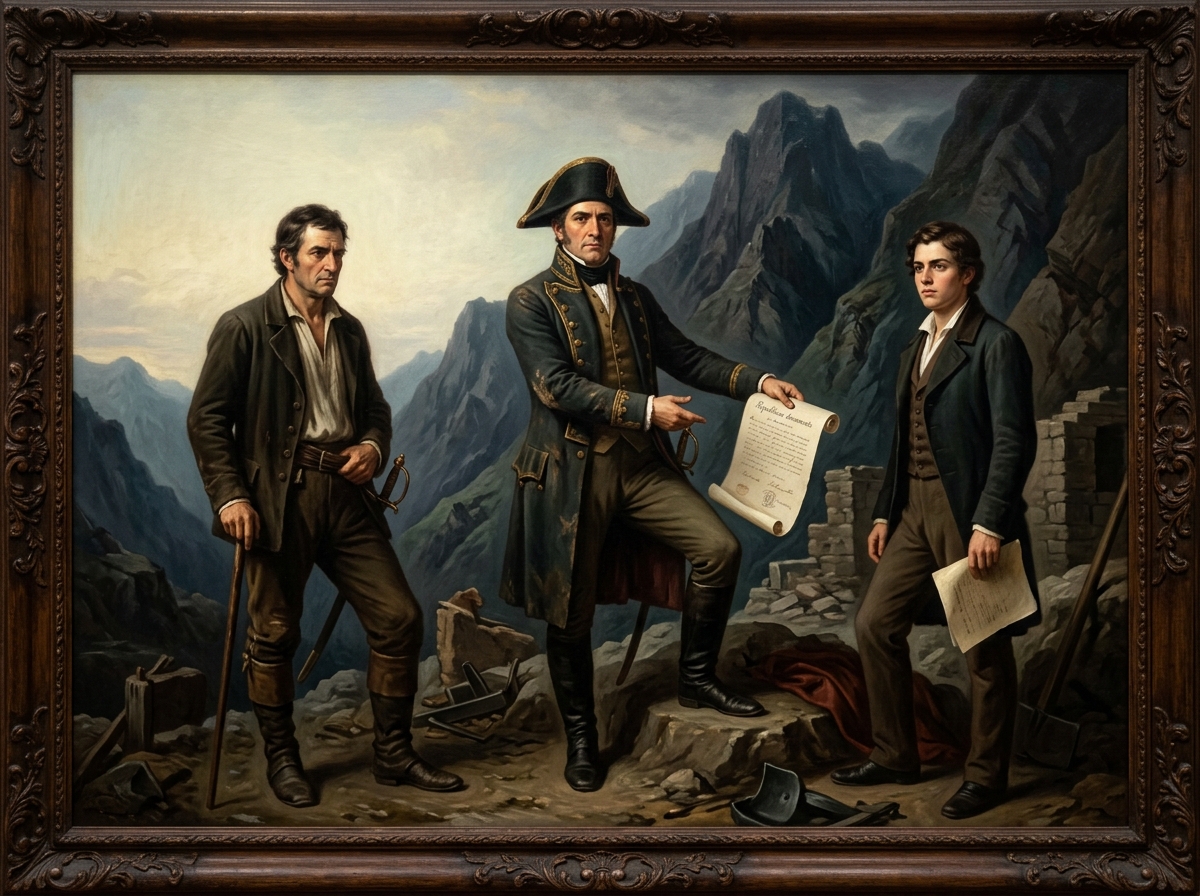
Commemorative Artistic Reconstruction
Champions of the Republic: Juan José Armero, Mariano Escobar & Fernando Fernández
Archival historical note: In the absence of surviving contemporary portraits of provincial leaders martyred during the 1816 Reconquest, this commemorative artistic work pays visual tribute to Mariquiteño champions Juan José Armero, Mariano Escobar, and Fernando Fernández, depicted upholding provincial sovereignty against the backdrop of the rugged Malpaso silver-mining cordillera.
The Spark of 1781: Galán and Freedom in the Malpaso Silver Mines
In June 1781, having denounced the Capitulations of Zipaquirá as a royalist trap engineered by Archbishop-Viceroy Caballero y Góngora, Comunero leader José Antonio Galán swept across the Magdalena Valley. His strategic mission was to paralyze viceregal river trade, seize royal monopolies, and liberate the mining labor force of the Upper Magdalena.
Entering Mariquita's jurisdiction, Galán executed one of the most radical acts of Spanish American proto-independence: he stormed the Malpaso Silver Mines, proclaimed absolute freedom for the enslaved African and indigenous miners toiling in the underground shafts, confiscated the King's bullion, and commanded the citizenry to reject imperial monopolies.
Though Galán was captured and brutally drawn and quartered in Santafé in January 1782, the seed planted in Malpaso never perished. The Armero, Linares, Escobar, and Fernández families preserved those ideals across generations through secret political gatherings during the Botanical Expedition era.
Heroes of the Firing Squad: The 1815–1816 Resistance
When the Electoral College proclaimed Mariquita's absolute independence in December 1814 and enacted the 1815 Constitution, local citizens assumed military and civil commands of the Free State:
Juan José Armero: Prominent patriot of the Armero house, deeply committed to regional militias and upholding canton sovereignty against centralist pressures and royalist counteroffensives.
Mariano Escobar: Intrepid officer and civic organizer who fortified supply routes and rallied local detachments defending mountain passes between Mariquita, Fresno, and Honda.
Fernando Fernández: Respected civil leader who committed personal fortune and influence to enforce the constitutional liberties of the 1815 charter.
In May 1816, Spanish royalist forces under Lieutenant Colonel Carlos Tolrá overran the province. Morillo's Permanent Council of War exacted merciless retribution: patriot properties were expropriated via the Junta de Secuestros, and leaders were led to summary execution squads.
Roll of Honor: The Colombian Academy of History
In his landmark study «San Sebastián de Mariquita: A City of Legend» (published in Noticias Históricas, Issue 4, p. 7), historian Eduardo Santa preserved the definitive roll of Mariquita-born martyrs executed in 1816 for the freedom of Colombia:
José León Armero (Governor)
Carlota Armero (Heroine)
Estefanía Linares (Heroine)
Fulgencia Barrios (Heroine)
Juan José Armero
Mariano Escobar
Fernando Fernández
Justo Pastor Domínguez
José María Campuzano
Eloy Cantera
Andrés Linares
Rudecindo Quesada
Segundo Viana
Pantaleón Urueña
These martyrdoms were carried out against the haunting stone arcades of the Santo Domingo Monastery Ruins (today Santa Lucía Ruins), collapsed in the 1805 earthquake. These weathered masonry walls became Colombia's sanctuary of freedom: an altar of civic courage where Mariquita's sons and daughters embraced death before subservience.
Francisco Antonio Moreno y Escandón: The Enlightenment Mind Born in Mariquita
Born in San Sebastián de Mariquita in 1736, Francisco Antonio Moreno y Escandón is recognized by Latin American historians as the intellectual pioneer of the Hispanic American Enlightenment. The son of a noble Mariquiteño lineage, he studied at the prestigious Colegio Mayor de San Bartolomé and rose to become Attorney General (Fiscal) and Regent of the Royal Audiencia of Santafé.
In 1774, commissioned by Viceroy Manuel Guirior, Moreno y Escandón authored the celebrated Provisional Method of Studies, the most revolutionary educational reform in colonial New Granada. He demanded the dismantling of medieval scholasticism and rote theology, replacing them with modern mathematics, experimental physics, natural law, and empirical earth sciences, directly paving the intellectual runway for Mutis's Botanical Expedition and the independence generation.
His enlightened vision also established the Royal Public Library of Santafé in 1777 (today's National Library of Colombia), the first public reading institution in the viceroyalty. Mariquita honors Moreno y Escandón as its most luminous son, the bridge between colonial administration and scientific modernity.
Urban Mariquita Before 1950: Solar Estates, Steam Trains & the Rare Grandeur of Casa del Virrey
In the evocative chronicle "Mariquita a Little Before 1950" published in Noticias Históricas (Edition 6), Armando Gutiérrez Quintero depicts the urban cadence that distinguished the city for centuries: broad, sunlit streets shaded by ancient trees, the whistle of passenger steam trains pulling in from the Magdalena river port of Honda, and stately residences built with one-meter-thick rammed-earth walls (tapia pisada), exposed timber-beam rafters, expansive clay-tile eaves, and immense inner orchards filled with mango, soursop, and citrus groves.
Throughout the mid-20th century, urbanization fragmented almost all of Mariquita's colonial blocks into small commercial parcels. In this light, Casa del Virrey emerges as a virtually irreplaceable architectural survivor: it is the only remaining manor in the historic core that preserves an intact urban estate of nearly 6,000 m² (6,038 m²).
A Unified City Block in the Historic Core
While virtually all of Mariquita's colonial blocks were progressively parcelled and subdivided into small plots over the decades, the Casa del Virrey estate preserved the entire 6,038 m² city block as a single unified parcel, with the historic heritage casona on its corner and extensive open grounds for development. This singular attribute affords a prospective developer the rare opportunity to structure a high-profile hospitality or mixed-use master plan with scale, privacy, and genuine historical presence.
Historic Cartography & National Monuments: The Official Mariquita Heritage Map
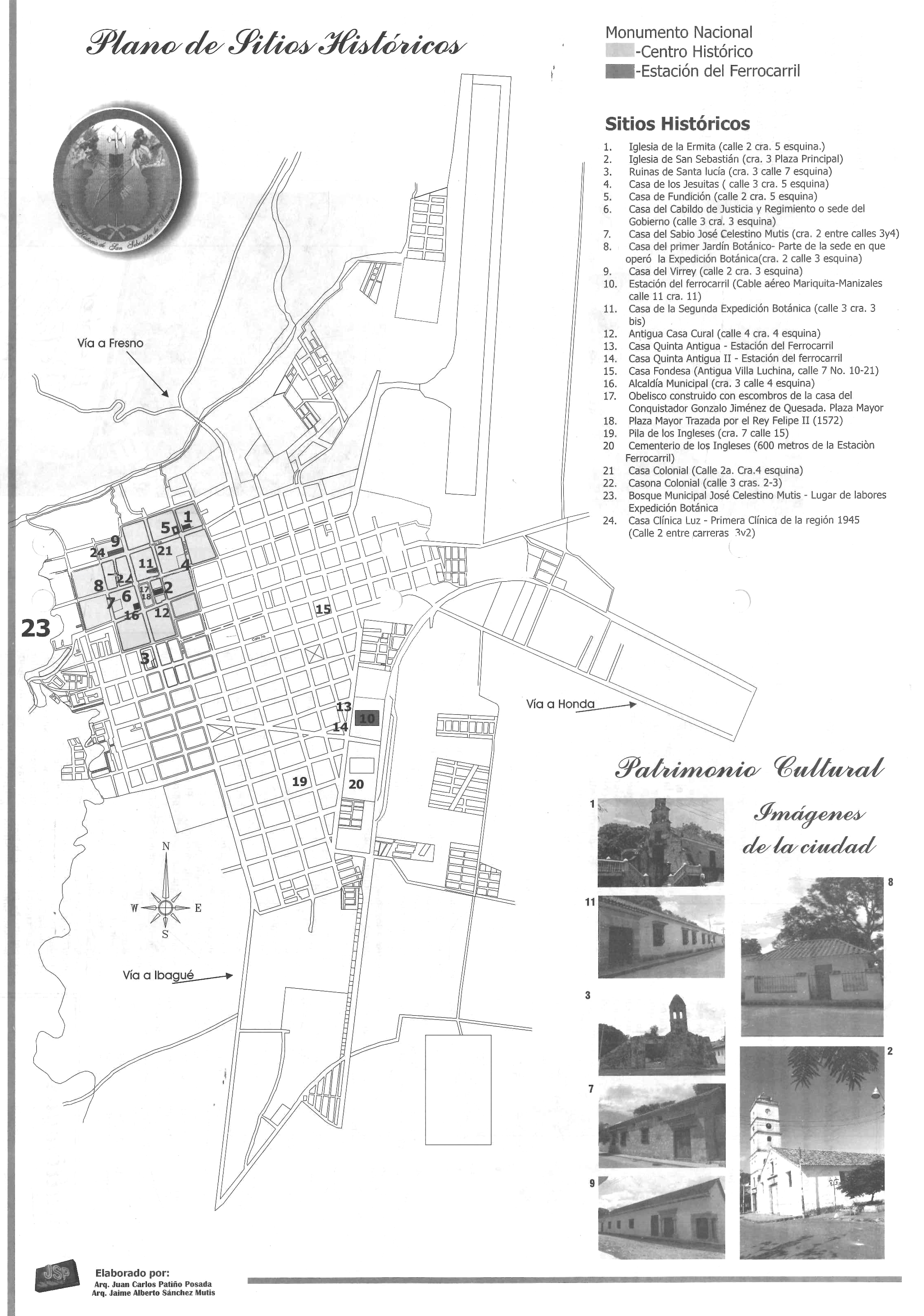
The architectural protection of Mariquita achieved its definitive spatial catalog through the Center of History and the publication, in Edition 2 of Noticias Históricas, of the Official Historic Sites Map of San Sebastián de Mariquita, surveyed by architects Juan Carlos Patiño Posada and Jaime Alberto Sánchez Mutis.
This comprehensive architectural survey integrated the perimeter of the Historic Center declared a National Monument with the La Dorada Railway terminal and enduring colonial landmarks: San Sebastián Cathedral, La Ermita Sanctuary, Santa Lucía Ruins, the Botanical Expedition House (Mutis Museum), the Royal Mint, and the prominent residential block of Casa del Virrey.
Official Historic Sites Map: Historic Center & Railway Terminal
Official cartography surveyed by architects Juan Carlos Patiño Posada and Jaime Alberto Sánchez Mutis (published in Noticias Históricas, Edition 2). Highlights the colonial relationship between the Plaza Mayor, aristocratic Calle 2ª, and the grand estate grounds of Casa del Virrey.
Royal Botanical Garden of Madrid (CSIC):Digital Archive of the Royal Botanical Expedition (1783-1816):
mutis.rjb.csic.es.
Digital Library CSIC Spain:Documentary History of the Royal Botanical Expedition of New Granada (1808–1952) by Guillermo Hernández de Alba:
bibdigital.rjb.csic.es.
Botanical Foundation of Colombia:Mariquita: Cradle of the Botanical Expedition:
funbotanica.co.
Railway History & BIC Heritage:Apuntes Journal of Cultural Heritage Studies (revistas.javeriana.edu.co) and
National Register of Cultural Interest Assets (MINCULTUR PDF).
Municipal Council of San Sebastián de Mariquita:Municipal Agreement 019 of 2004 (POT): lists Casa de los Virreyes among Mariquita’s heritage buildings (Art. 343) and establishes conservation treatment for historically and architecturally important properties.
Municipality and Council of San Sebastián de Mariquita:Municipal PBOT Agreement 019 of 2004 (Official PDF): identifies Casa de los Virreyes at the Calle 2 / Carrera 3 corner (Art. 343) and records its direct historical association with visiting viceroys and the Royal Botanical Expedition.
Ministry of Culture, Arts, and Knowledge:Official Resolution 0121 of 2025 approving Historic Center PEMP: governs the nationally protected Historic Center; the corresponding property schedule identifies Casa de los Virreyes as Level 2 / architectural-type conservation.
Centuries of Heritage & Lineage
Own the Flagship Colonial Estate of New Granada's Scientific Era
3D Conceptual Vision: 5-Star Luxury Cultural Boutique Hotel with rooftop infinity pool integrated over the 18th-century casona.
History cannot be duplicated or manufactured. Casa del Virrey offers the prestige of owning the viceregal retreat and Mutis' Botanical Expedition headquarters, combined with 6,038 m² of prime urban land ready for visionary development.