Territorial Guide, Tourism & Real Estate Development
San Sebastián de Mariquita: Territory, Tourism & Real Estate Context
Comprehensive territorial compendium: Walking trail of the 8 Viceroyalty heritage gems, deep Tolima gastronomy (river viudo de pescado, lechona, tamal), fruit capital and cradle of mangosteen, ecotourism (Falan, Nevado del Ruiz, Mutis Forest), and 4G highway hyperconnectivity along the Bogotá–Medellín–Coffee Axis corridor.
Why is this guide critical for an investor or developer?
Walkable Circuit of 8 Viceroyalty Gems: Mariquita preserves a concentrated, walkable colonial heritage cluster unique in Colombia (San Sebastián Cathedral, Mutis Painters’ House, Casita Mutis, Ermita Sanctuary), seamlessly linked to top-tier ecotourism (Falan lost city, Medina waterfalls, birdwatching, and Ruiz Volcano).
Hospitality Rate Premium (+40% ADR & RevPAR Uplift): Operating within an authentic 18th-century heritage estate captures Average Daily Rate (ADR) and RevPAR premiums significantly exceeding standard regional lodging.
Gastronomic Epicenter & Wellness Climate: Recognized as Colombia's Fruit Capital (ideal volcanic terroir for mangosteen cultivation), home to legendary river fish dishes and authentic roasted pork (lechona), enjoying a 28°C perennial climate tailor-made for wellness retreats and senior living.
Strategic 4G Logistics Hub (Routes 50 & 45): Major crossroads and preferred oasis waypoint between Bogotá, Medellín, and Manizales (Cambao–Manizales 4G Highway), ensuring continuous transit of affluent tourists and executives.
Full-Block Urban Platform (6,038 m² / 1.48 Acres): Irrepeatable urban scale within the historic core enabling simultaneous development of a boutique hotel, gourmet culinary arcade, private pool suites, and high-yield commercial or institutional spaces.
Table of Contents: Territorial & Tourism Monograph
Grand Colonial Heritage & Ecotourism Trail: Walking Circuit of the 8 Historic Gems
For discerning visitors, investors, and cultural tourists, San Sebastián de Mariquita offers a compact, walkable colonial heritage circuit featuring 8 principal Viceroyalty landmarks closely woven into the Spanish grid plan:
1. San Sebastián Cathedral
Suggested stop: 15–20 min
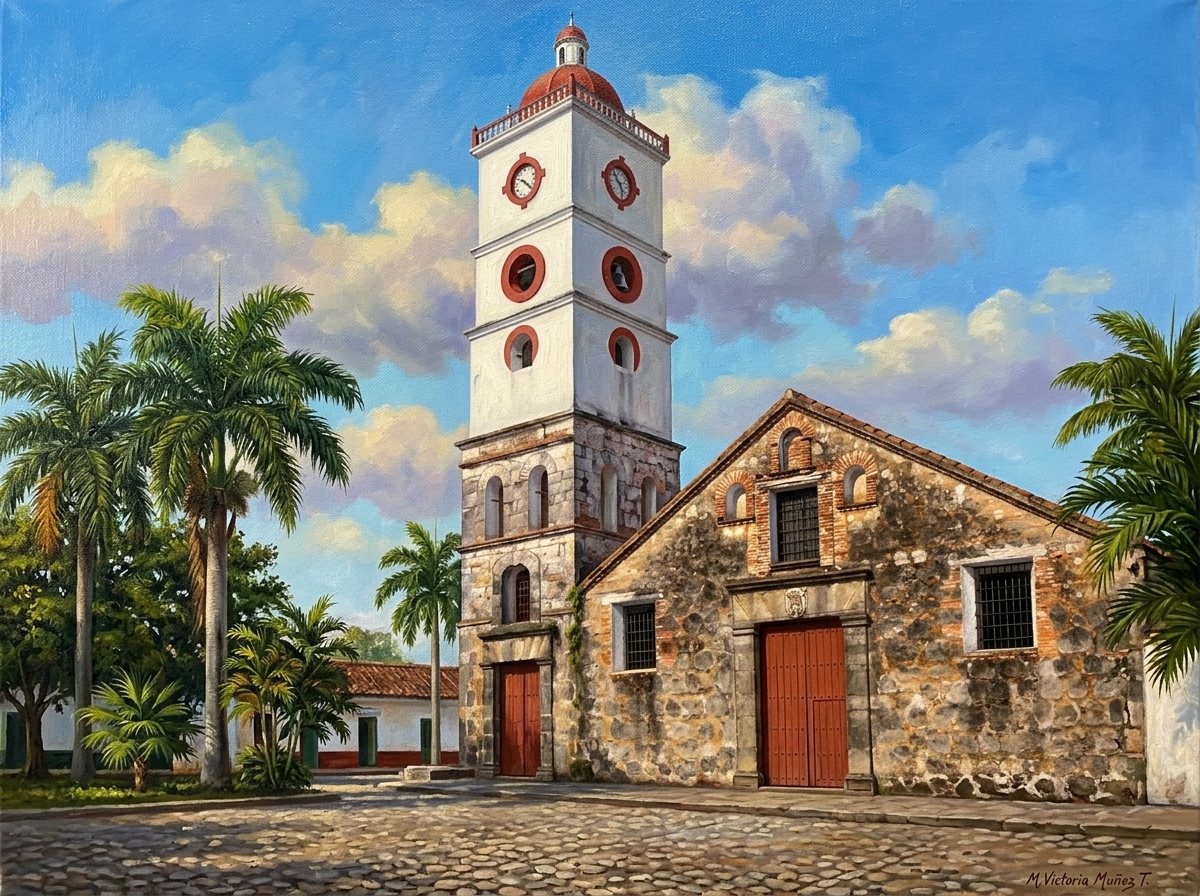
Plaza Mayor. 16th-century temple featuring the historic clock tower and vault where Bogotá founder Gonzalo Jiménez de Quesada rested for over two centuries.
Full History & Significance
Why is the San Sebastián Cathedral a key historic monument in Mariquita?
It is Mariquita’s mother church and foundational civic landmark, built in stone-and-lime masonry following the city's official relocation in 1553. It holds profound national historical prominence: its crypt was the resting place of Bogotá founder and adelantado Gonzalo Jiménez de Quesada for over two centuries (1579–1897), who governed and passed away in Mariquita as its Perpetual Mayor before being solemnly translated to Bogotá's Primate Cathedral with supreme military honors.
Colonial Stronghold & Historic Clock Tower
Its commanding bell tower and colonial clock face over the Plaza Mayor, having survived major earthquakes such as the 1805 disaster. Preserving its Renaissance liturgical footprint, it remains the spiritual anchor of the colonial town.
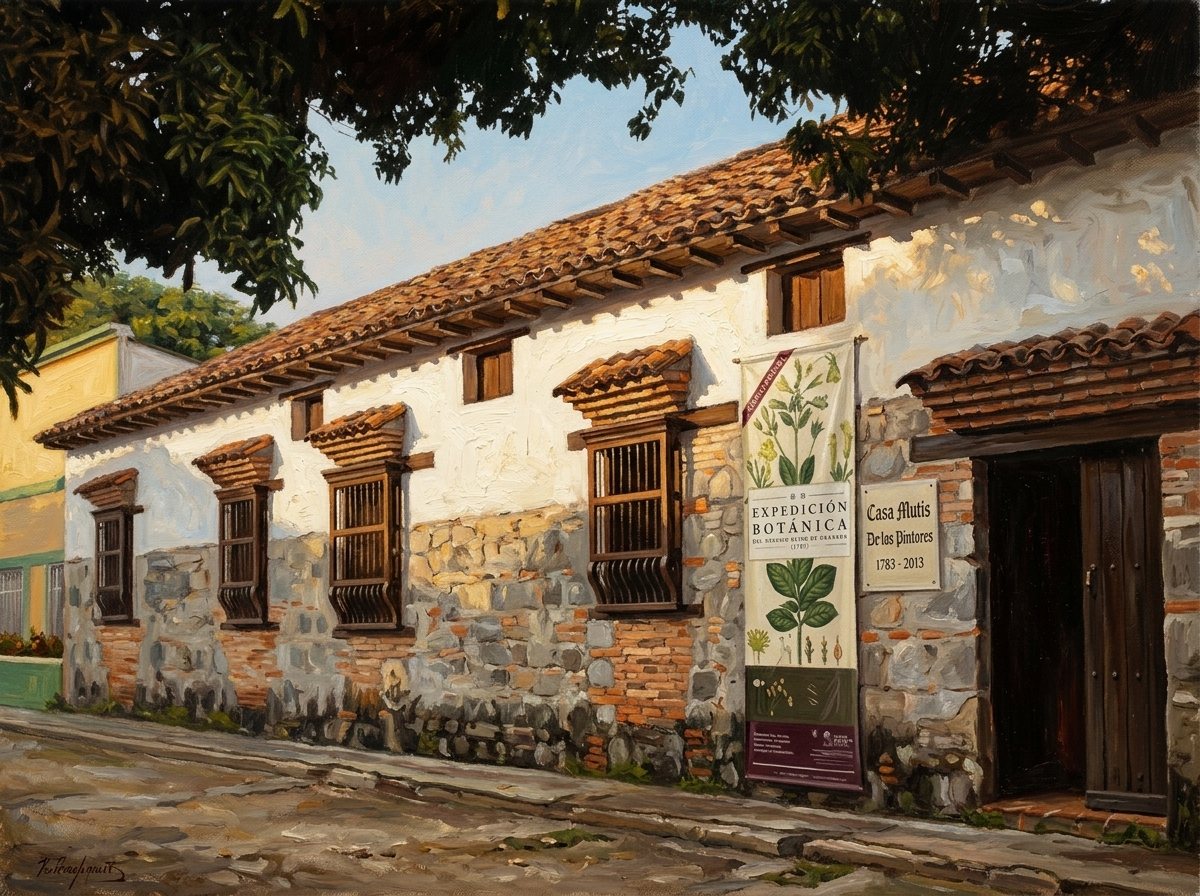
Carrera 2ª with Calles 3ª & 4ª. Historic graphic atelier where Salvador Rizo and Francisco Javier Matis created more than 6,600 master botanical illustrations.
Full History & Significance
Why is the Casa de los Pintores de Mutis a key historic monument in Mariquita?
It housed the Mariquita School of Drawing, founded by José Celestino Mutis in 1783 as the first formal academy of botanical illustration and scientific art in northern South America. In these studios, master creole painters Salvador Rizo and Francisco Javier Matis (lauded by Alexander von Humboldt as "the greatest botanical painter in the world"; documented in MoMA's collection catalogue) refined native mineral and vegetal pigments to illustrate over 2,000 of the nearly 7,000 master botanical plates produced across the Royal Expedition (ICANH; El País), a scientific treasure celebrated across European academies.
Living Pigments & Master Creole Illustrators
Under Rizo's direction, dozens of mestizo and creole apprentices standardized botanical dissection conventions and pigment stabilization, cementing Mariquita as the Enlightenment epicenter of natural history art in the Americas.
Calle 3ª with Carrera 2ª. First experimental botanical garden and cinnamon nursery. Historic wall bearing Alexander von Humboldt’s 1802 solar meridian incision.
Full History & Significance
Why is La Casa de los Canelos (or Casita Mutis) a key historic monument in Mariquita?
It is the historic estate where the founding headquarters and the very first experimental botanical garden of the Royal Botanical Expedition functioned between 1783 and 1791, as officially certified on a commemorative plaque by the Colombian Academy of Exact, Physical and Natural Sciences. Here Mutis propagated wild cinnamon saplings (Ocotea quixos, the "Andaquí cinnamon" that gave the house its name) in a royal geopolitical campaign to challenge the Dutch East India Company monopoly. It also served as residence to mining chemist Juan José de Elhuyar, and its exterior masonry wall preserves the astronomical solar meridian inscribed by Alexander von Humboldt in 1802.
American Cinnamon & The Living Botanical Nursery
The saga of these cinnamon nurseries inspired Colombian novelist William Ospina's masterpiece "The Country of Cinnamon". Preserved through civic efforts and the Cabildo Verde, the property operates today as the Escuela Vivero Mutis community nursery.
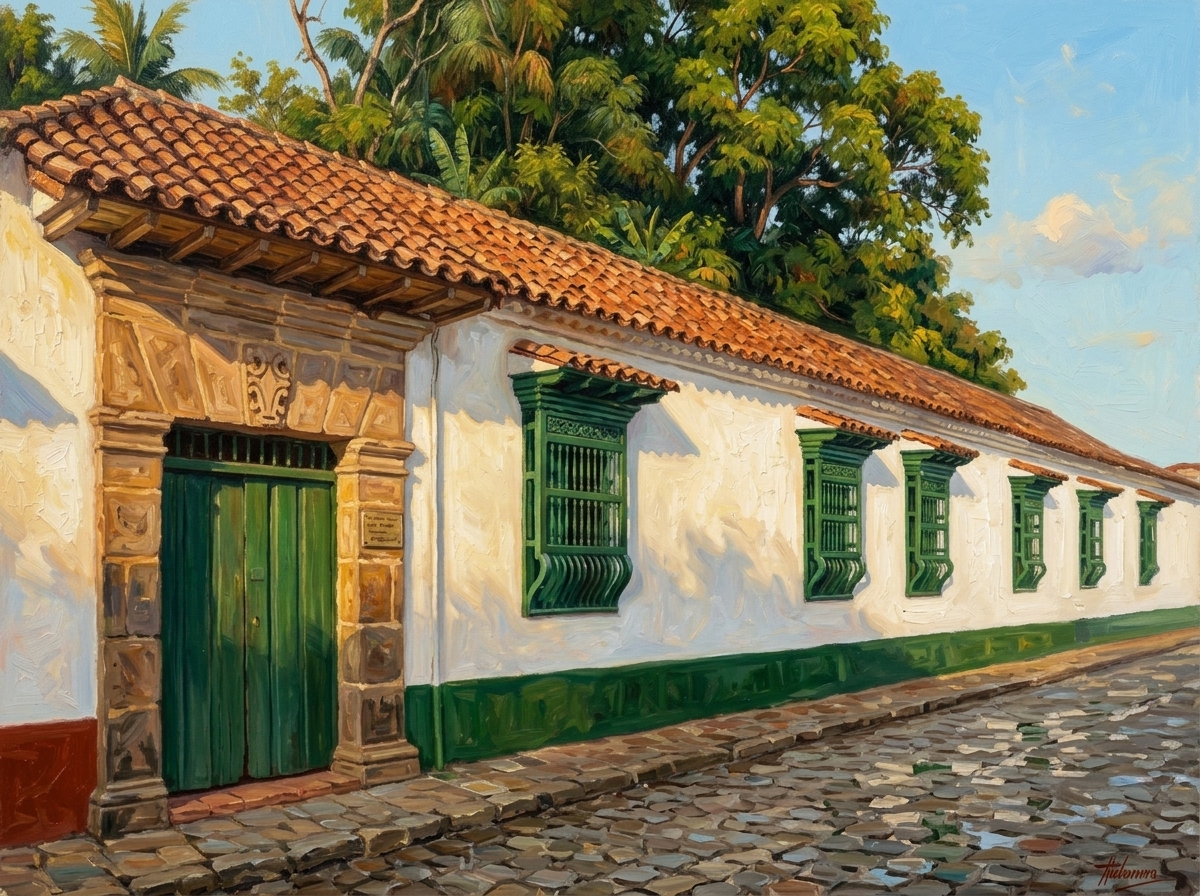
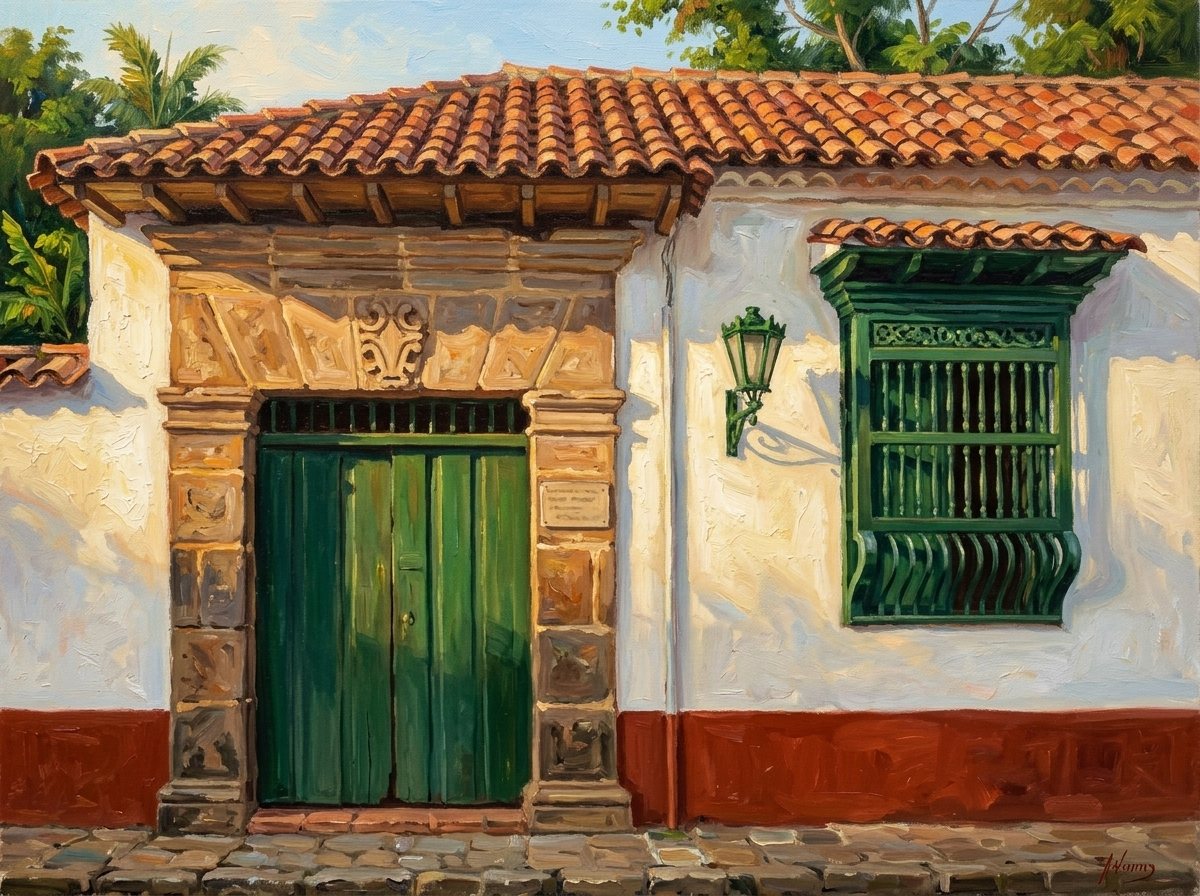
Carrera 3ª # 4-07. Monumental carved stone portal, colonial lattice woodwork, and official museum certified by Colombia’s Ministry of Cultures.
Full History & Significance
Why is the House of the Second Botanical Expedition (Mutis Museum) a key historic monument in Mariquita?
It is Mariquita's grandest surviving viceregal manor house (the Enrique Pérez Arbeláez House on Calle 3ª # 3-49), serving as headquarters for the Second Botanical Expedition Foundation (FUNBOTÁNICA) and an officially accredited institution in Colombia's National Museum Network. It is distinguished by its monumental baroque carved ashlar stone entrance, Mudéjar wooden latticework, crimson plinth, and a living botanical garden containing more than 300 medicinal and native species.
Viceroyalty Architecture & Museum Collections
It safeguards historic herbaria, official facsimile prints of the Mutis flora plates, colonial period furnishings, and scientific equipment honoring the pioneering conservation work of Enrique Pérez Arbeláez.
Official FUNBOTÁNICA Portal
Explore guided tour schedules, botanical research, and conservation initiatives:
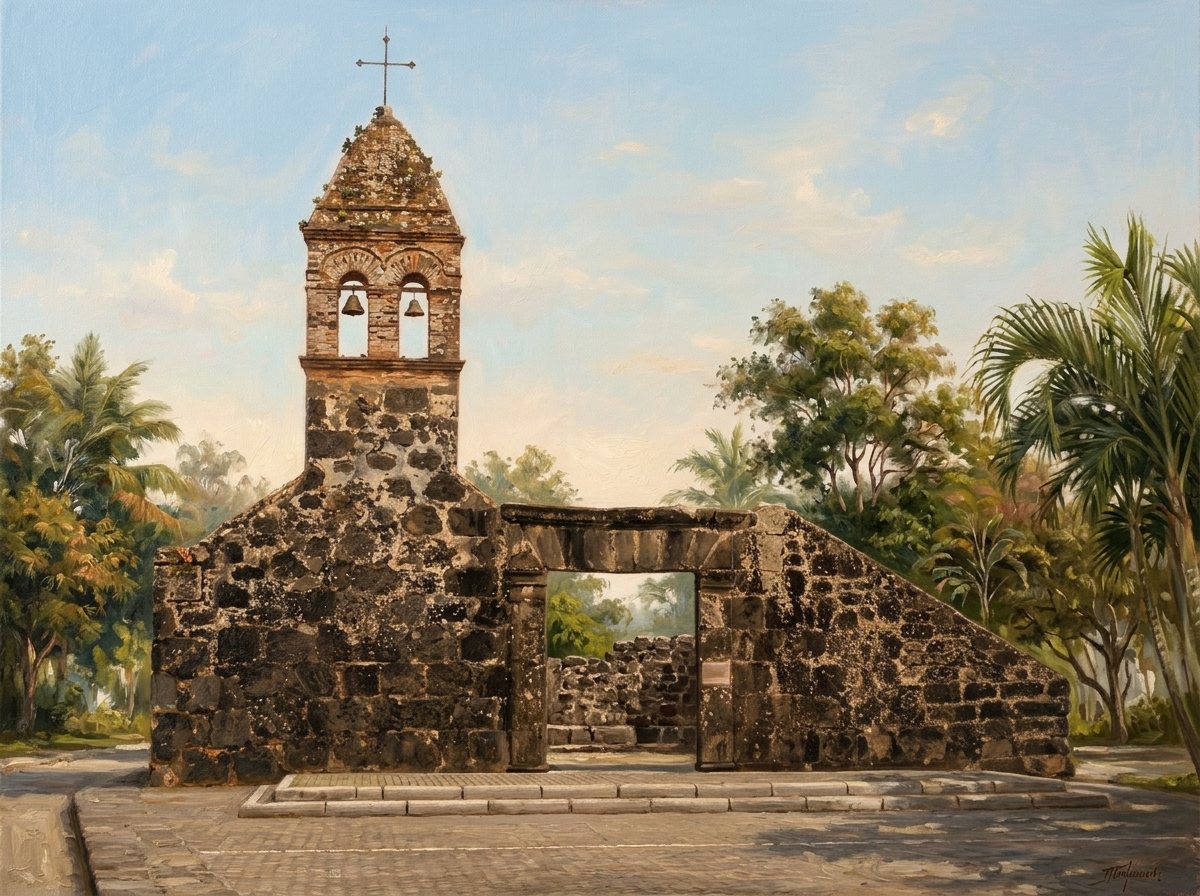
Calle 7ª with Carrera 3ª (Corner). Freestanding stone belfry and surviving arches of the 17th-century Dominican monastery felled by the 1805 earthquake. Site of patriot José León Armero's martyrdom in 1816.
Full History & Significance
Why are the Ruins of Santa Lucía a key historic monument in Mariquita?
They constitute the striking archeological remains of the 17th-century Dominican convent and church of Santo Domingo, whose main nave collapsed during the catastrophic earthquake of June 16, 1805. Beyond their romantic visual power with the freestanding stone belfry, they form a sacred sanctuary of Colombian independence: before these fallen stone arches in 1816, Spanish reconquest forces under Pablo Morillo executed patriot martyr José León Armero (author and signer of the Declaration of Independence of Mariquita) alongside local civil heroines Carlota Armero and Estefanía Linares.
The Republican Martyrdom & The Freestanding Belfry
The surviving arches stand as an enduring civic monument to the 1816 struggle for liberty and popular resistance against the Spanish Regime of Terror in the New Kingdom of Granada.
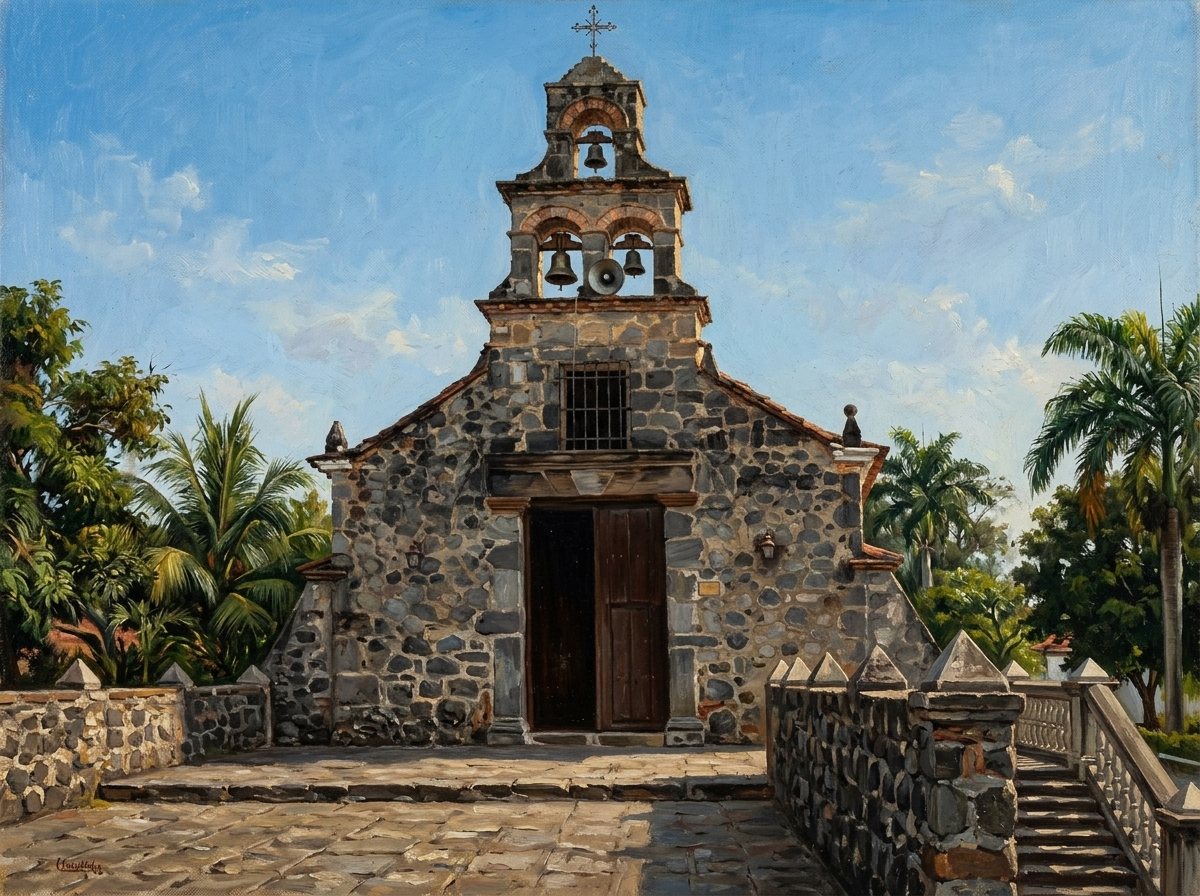
Calle 2ª with Carrera 5ª (Corner). 1700 rustic stone and lime-mortar sanctuary with open belfry and ceremonial staircase. Houses the miraculous Christ of the Wayfarers (Battle of Lepanto, 1571).
Full History & Significance
Why is the Diocesan Sanctuary of La Ermita a key historic monument in Mariquita?
It is the most representative surviving colonial Catholic church preserved in Mariquita's historic core (built with rustic stone and lime-mortar masonry), featuring an exterior stone stairway and an open triple-bell belfry (espadaña). It is northern Tolima's foremost pilgrimage shrine, guarding the venerated Christ of the Wayfarers (Señor de los Caminantes), a historic crucifix that by long tradition sailed with Christian fleets during the naval Battle of Lepanto (1571) and was gifted to Mariquita by an Infanta of Spain at the request of founder Gonzalo Jiménez de Quesada.
Pilgrimage Heritage & The Feast of the Ascension
Every year thousands of devotees trek along ancestral paths to venerate the crucifix, representing one of the deepest living oral traditions and religious customs in Colombia’s Andean region.
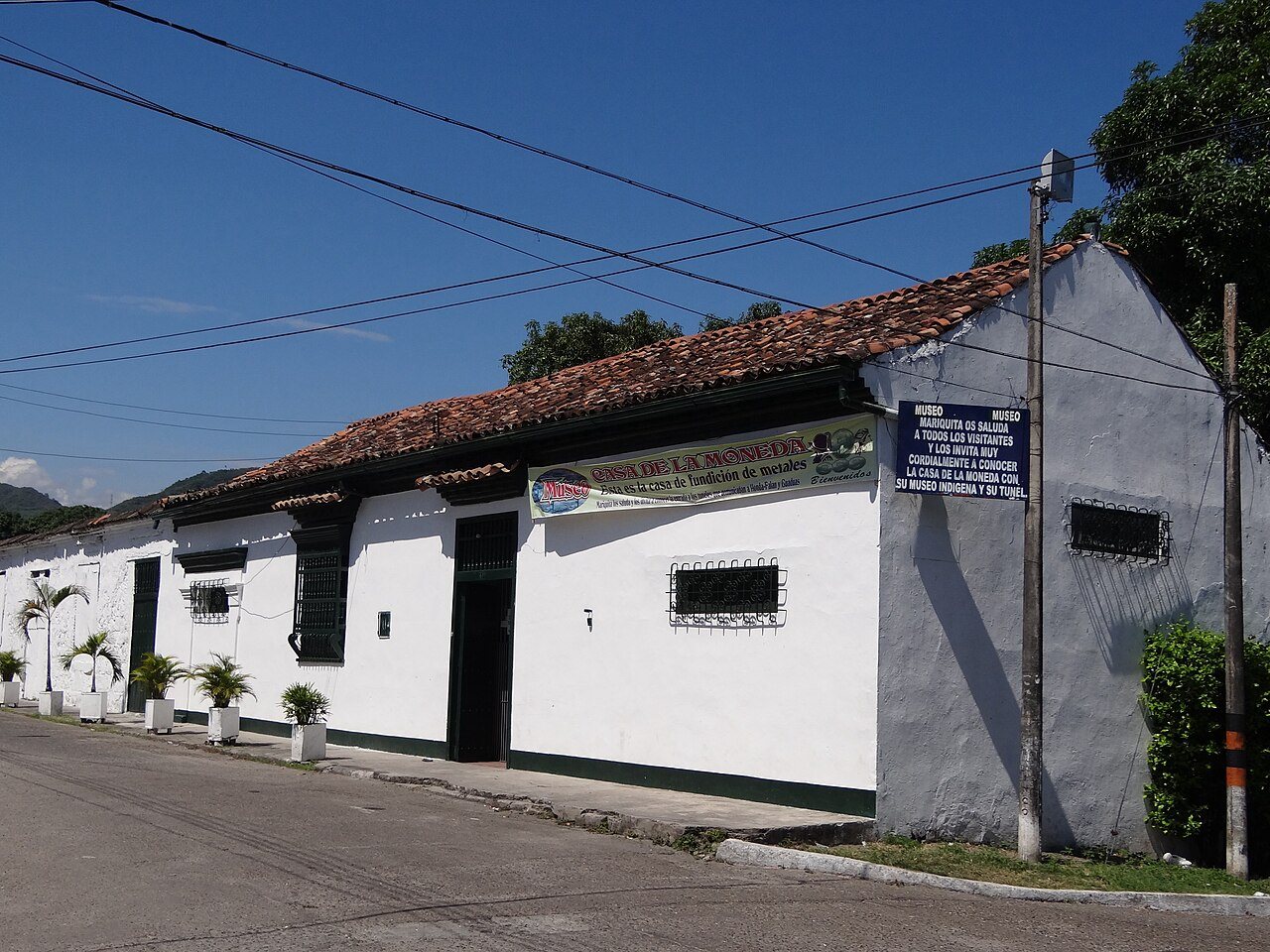
Calle 2ª # 4-73 (Facing La Ermita). Ancient colonial mint where royal gold and silver from Santa Ana and Falan were assayed and smelted. Colonial stone arches, antique scales, and numismatic exhibition.
Full History & Significance
Why is the Royal Mint Museum (Casa de la Moneda) a key historic monument in Mariquita?
It commemorates the golden mining zenith when Mariquita earned the title San Sebastián del Oro. In this 18th-century residence on Calle 2ª # 4-73 operated the Royal Smelting and Assay House, where gold and silver mined in Santa Ana and Falan by scientists Fausto and Juan José de Elhuyar (discoverers of tungsten) were officially weighed, taxed for the Crown, and melted. Having weathered the 1805 earthquake with its sturdy rammed-earth construction, it now houses an exquisite numismatic collection featuring colonial macuquina cobs, ingot molds, and period scales.
Colonial Metallurgy & Numismatic Heritage
The permanent exhibition documents the economic evolution of the New Kingdom of Granada, showcasing the tools and weighing equipment used by royal assayers to stamp bars bound for the Spanish Crown treasuries.
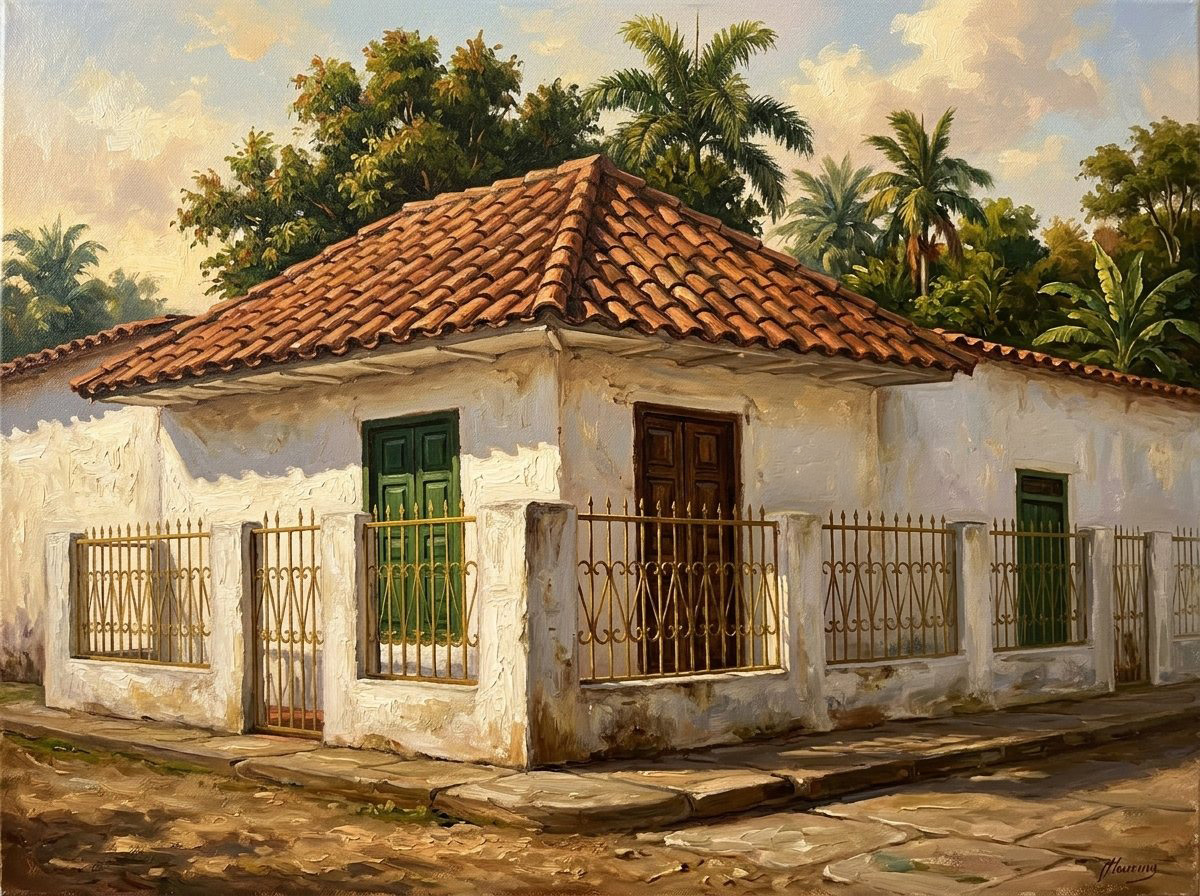
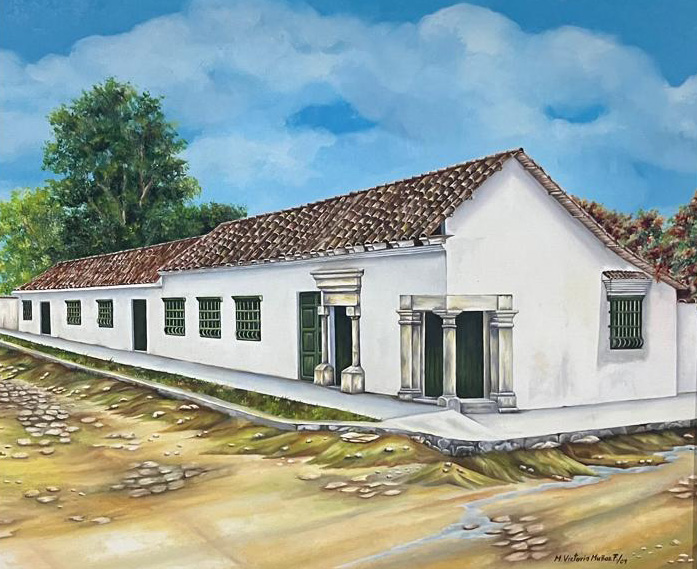
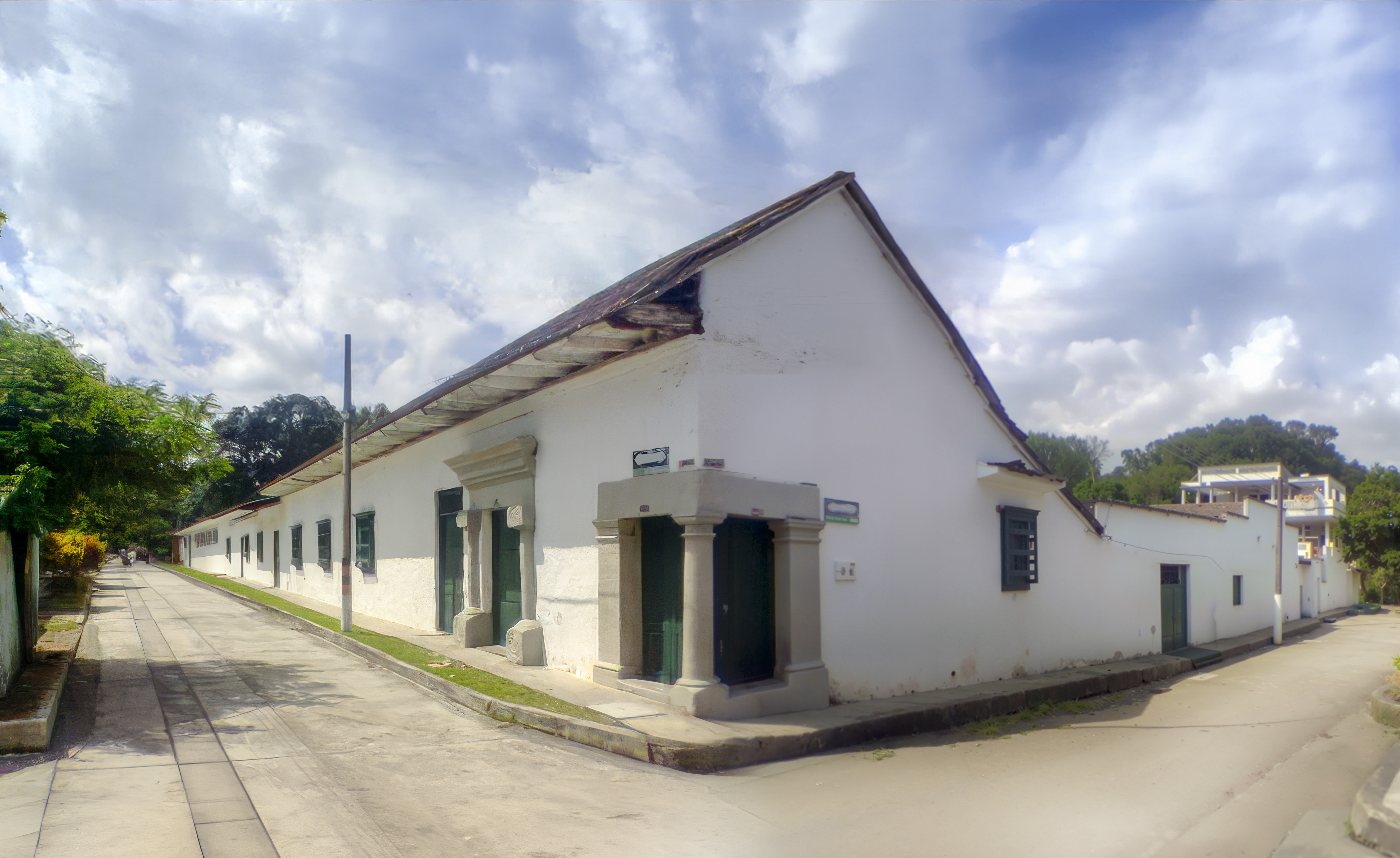
Calle 2ª No. 2-87 / Carrera 3 # 1-70. Historic corner colonial manor designated as an Asset of Cultural Interest (BIC), set within an expansive 6,038 m² full city block parcel with rammed-earth walls and stone arcades.
Full History & Significance
Why is Casa del Virrey a key historic monument in Mariquita?
Casa del Virrey stands out as an iconic landmark in Mariquita's historic center for preserving an intact 6,038 m² urban city block with a colonial manor officially designated as an Asset of Cultural Interest (BIC). Featuring thick rammed-earth walls exceeding 1 meter in thickness, stone arcades, native cedar timbering, and courtyard gardens, it evokes the stays of Archbishop-Viceroy Antonio Caballero y Góngora and the renowned naturalists of the Royal Botanical Expedition.
The Origin of the Name & Popular Folklore
Oral tradition recalls that the name originated from local wit: the manor was originally built by an extraordinarily wealthy Spanish merchant and miner whose opulent lifestyle and haughty bearing led townsfolk to ironically nickname him “El Virrey” (The Viceroy). Decades later, that popular moniker merged with official history when actual Spanish Viceroys, preeminently Archbishop-Viceroy Antonio Caballero y Góngora during the Botanical Expedition, stayed in this grand casona as illustrious guests.
BIC Designation & Heritage Block Scale
Its official status as an Asset of Cultural Interest (BIC) protects its colonial volumetry, stone arcades, and load-bearing walls. It represents an irreplaceable architectural jewel given its 6,038 m² full-block scale, structural authenticity, and development flexibility.
Walking Trail Map: The 8 Historic Gems of Mariquita
Flat 2.1 km pedestrian circuit across the colonial grid.
Continuous walk (leisurely pace): ~35–40 min.
Recommended total tour duration: 2.5 to 3 hours (spending 10 to 30 minutes at each monument and museum).
Street-by-Street Heritage & Monuments Video Walkthrough
A comprehensive on-the-ground documentary tour visiting Mariquita's principal colonial and republican landmarks, from the Plaza Mayor and colonial temples to the historic museums, concluding at the monumental estate of Casa del Virrey (minute 10:36).
Viudo de Pescado: Feast of the Magdalena River & The Ghost Legend
The culinary tradition of San Sebastián de Mariquita is a living synthesis of centuries-old secrets handed down by Magdalena River boatmen and 18th-century viceregal earthenware cooking methods. In this territory of converging rivers and fertile soil, dining is not merely sustenance; it is a sacred community ritual celebrated along water banks with fresh daily catches.
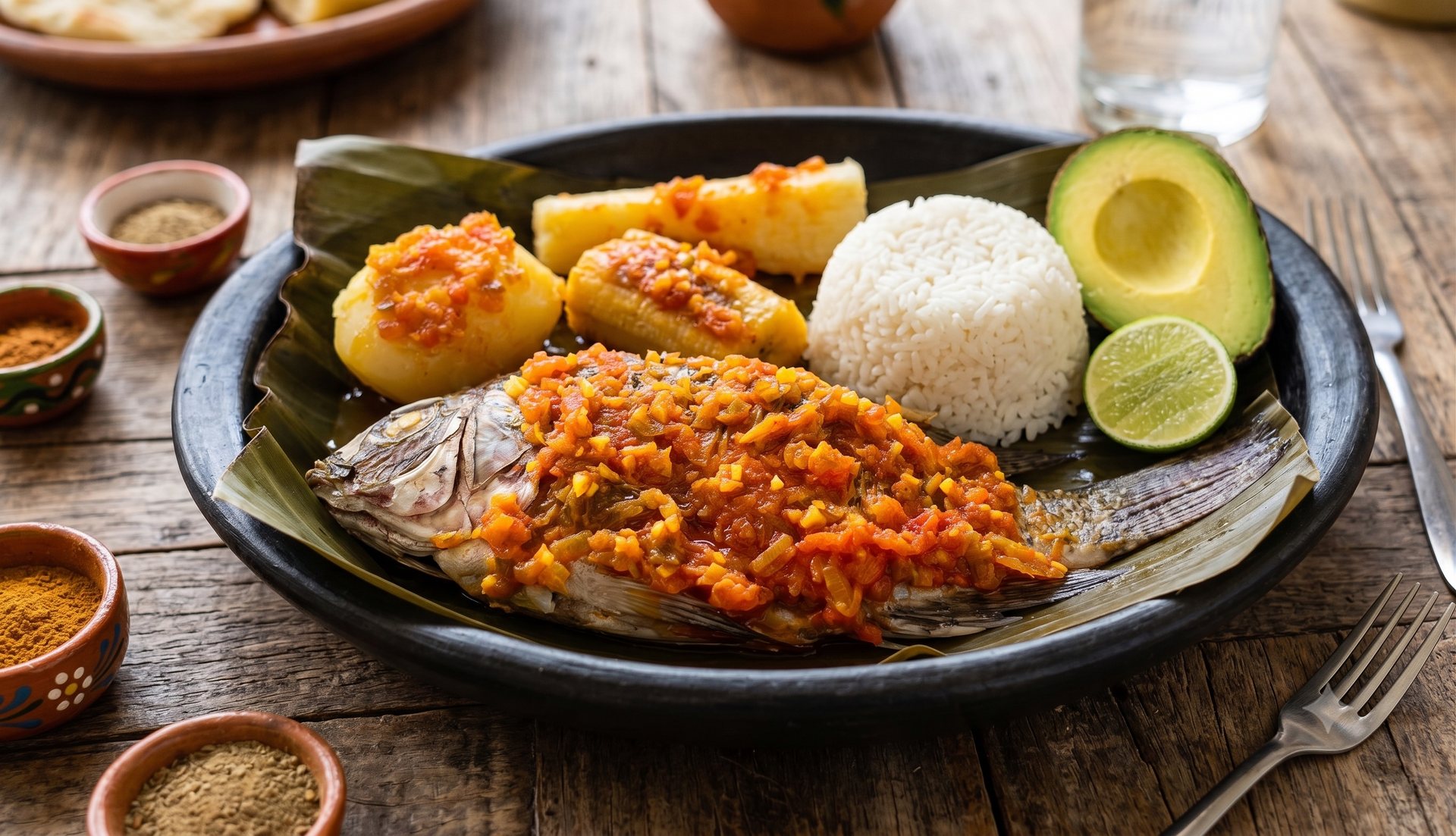
The undisputed centerpiece of this culinary heritage is the legendary Viudo de Pescado. This native steamed dish features fresh river fish (particularly striped catfish, capaz, or bocachico) steamed atop a bountiful bed of local tubers: sliced plantains, fluffy cassava (yuca), Andean potatoes, and sweet native corn cob. The entire dish is layered in a rich, aromatic *hogao* sauce made from ripe tomatoes, long green onions, and natural achiote spice.
The Mythical Legend of the Magdalena River Ghost
Oral tradition in Mariquita recounts that during the steamboat era on the Magdalena River, a beautiful riverwoman swore eternal fidelity to a boatman who set sail toward the Caribbean coast. Upon discovering she had been betrayed by her lover, the heartbroken woman plunged forever into the river's whirlpools. Local fishermen maintain that her spirit wanders the riverbanks on moonless nights. To soothe her grief and ask for blessings during night fishing, fishermen kindle fires along the banks and prepare this dish, naming it Viudo ("Widower") in honor of lost love.
The critical technique distinguishing Mariquita's authentic preparation is the sacred use of smoked banana leaves. Before assembling the clay pot or heavy iron cauldron, broad green banana leaves are gently singed over embers to soften their fibers and release essential botanical oils. These leaves line the pot, creating a hermetic seal that traps steam and infuses the tubers and fish with a subtle smoky herbal essence.
The savory broth is served separately in clay bowls with fresh mandarin lime juice and wild cilantro, serving as a renowned restorative consommé across the Andes.
Authentic Tolima Lechona: The Golden Rule (Never Contains Rice!)
If one culinary emblem invokes fierce pride in Tolima, it is authentic Lechona Tolimense. Consistently ranked by international culinary guides such as TasteAtlas among the world's top pork dishes, Mariquita’s lechona adheres to a strict traditional canon distinguishing it from imitations elsewhere in Colombia.
The fundamental golden rule of traditional Tolima lechona is absolute: it never, under any circumstance, contains rice. Adding rice is considered an unpardonable deviation by master roasters, whose techniques trace back to 16th-century Spanish roast suckling pig fused with native botanical marinades.
Preparation is an architectural culinary endeavor taking over 36 hours. A whole medium-sized pig is meticulously boned, extracting ribs and meat while keeping the outer skin, head, and hooves intact. The meat is diced and marinated for 24 hours in a brine of lard, crushed scallions, garlic, toasted cumin, black pepper, nutmeg, and achiote.
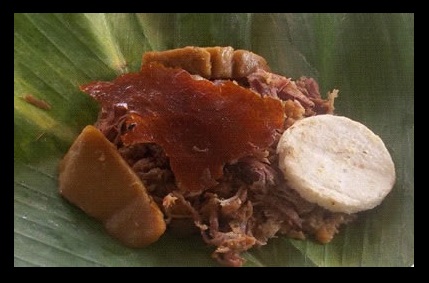
Traditional Tolima Lechona Dish
Served over smoked banana leaf with a crisp portion of crunchy pork crackling (*cuerito*), sweet *insulso*, and unsalted white corn arepa.
The pig is restuffed alternating seasoned meat layers with tender yellow split peas. Once packed, it is hand-sewn with natural fique twine and slow-roasted in vaulted brick or adobe ovens fired exclusively with dry wood for 10 to 12 hours. The rendering fat bastes the interior meat while dehydrating the skin into famous golden, loud-crunching crackling (*cuerito*).
Full City Block (6,038 m²)
CASA DEL VIRREY
Develop Mariquita's flagship boutique destination. Ideal property for luxury boutique hotel, heritage dining courtyard, or cultural convention center.
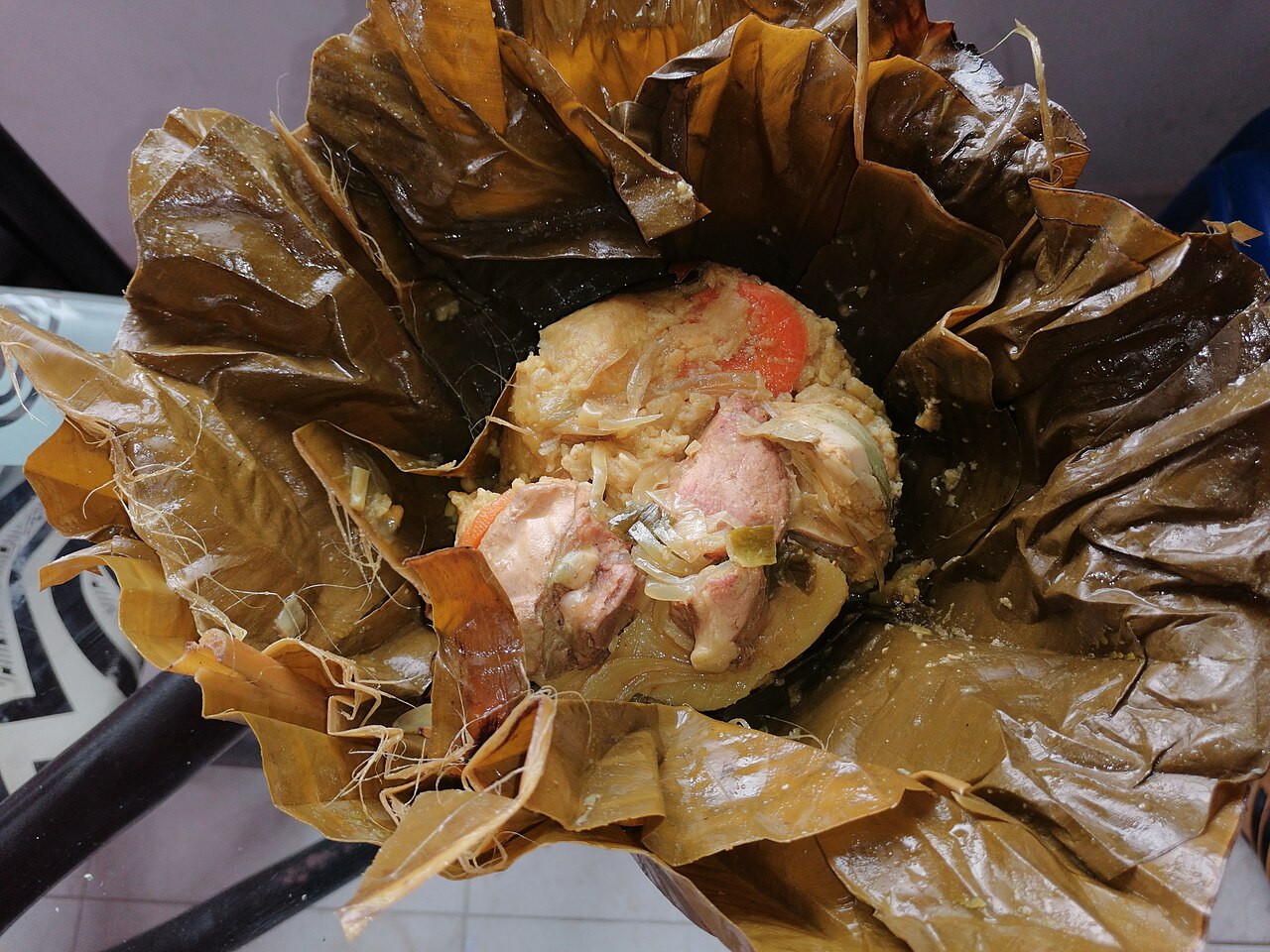
Unlike flat rectangular tamales from the Pacific or Antioquia, the Tamal Tolimense crafted in Mariquita features a distinct spherical shape tied securely at the top with natural plant twine, resembling a small steamed lantern.
The base consists of seasoned corn masa cooked in rich meat broth with achiote and scallion sofrito. Assembled on smoked banana leaves, the masa surrounds a feast: a whole piece of chicken, seasoned pork belly, rib meat, hard-boiled egg, savory yellow split peas, and fresh carrot slices.
The Tamale Ritual in Mariquita
Hand-bound with natural fique fiber and steam-boiled for 4 hours in large copper vats over open wood fires.
Steam-boiled for four to five hours, the banana leaf infuses its aromatic resin into the masa. Sunday breakfast in Mariquita is incomplete without a piping hot tamale paired with dark whisked hot chocolate and fresh almojábana cheese bread.
As the sun sets behind the Central Andes and cool valley breezes descend upon Mariquita's cobblestone streets, the town transforms into an inviting evening destination centered around Plaza de Bolívar, Calle 2ª, and the historic precincts enclosing Casa del Virrey.
Mariquita’s evening dining and entertainment options merge colonial charm with vibrant Andean hospitality:
1. Riverside Dining along the Gualí River
Minutes from the historic core, open-air garden restaurants line the Gualí River. Under thatched roofs illuminated by string lights, guests enjoy river seafood casseroles, fried catfish with giant patacones, and iced panela lemonade or tropical fruit juices.
2. Specialty Coffee & Pastry Shops in the Historic District
Around viceregal galleries and thick rammed-earth casonas, specialty cafes highlight Arabica beans grown above 1,600 meters in nearby mountain veredas, paired with traditional almojábana cheese bread and rice cakes.
3. Traditional Tejo Courts & Cultural Taverns
No visit to Tolima is complete without an evening at Mariquita's authentic Tejo Courts. In these venues, locals and visitors play Colombia's national sport, hurling weighted metal disks at gunpowder targets amidst cold beer and live traditional music.
Developer Vision: Casa del Virrey as a Luxury Boutique Hotel, High Cuisine Restaurant & Wine Bar
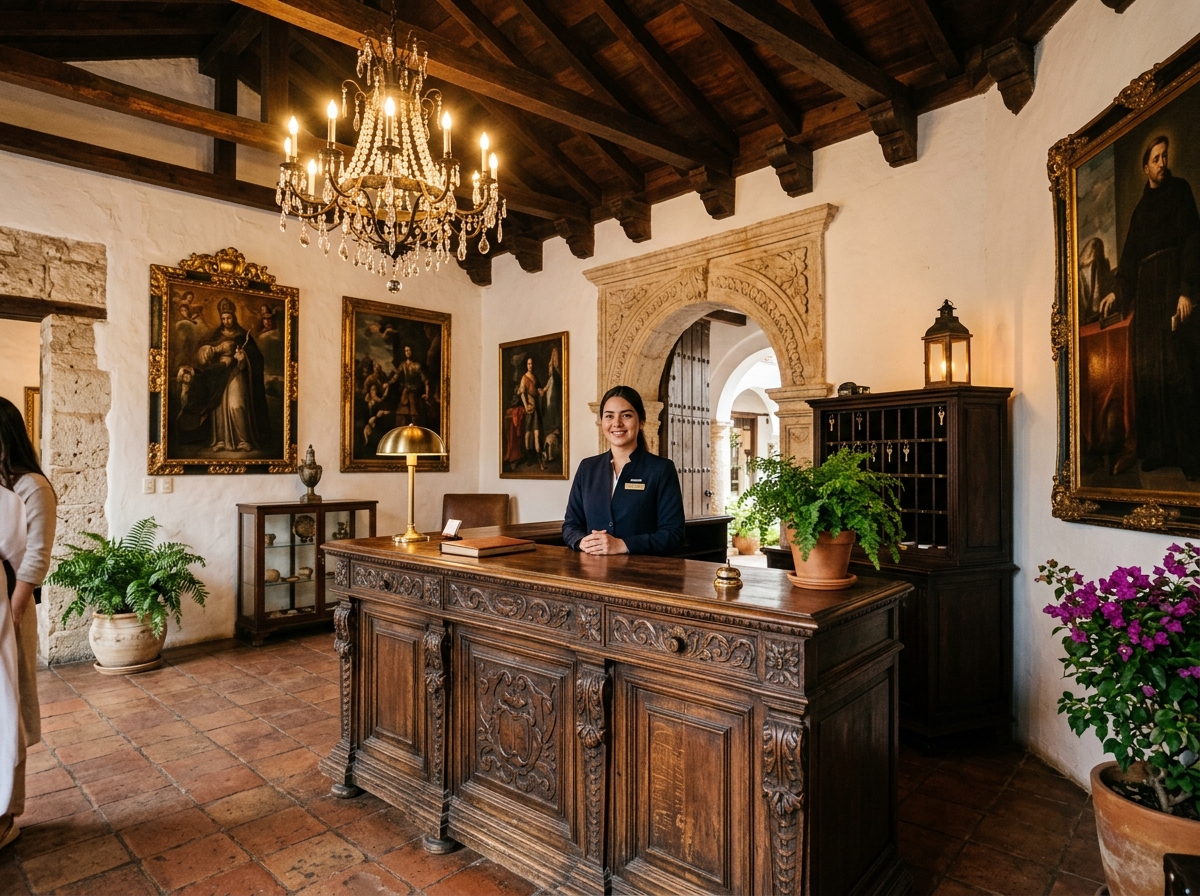
Colonial Reception & Grand Lobby
Rate Potential: The historic and architectural prestige of a restored viceregal estate allows capturing Average Daily Rate (ADR) premiums above 40% compared to standard hospitality.
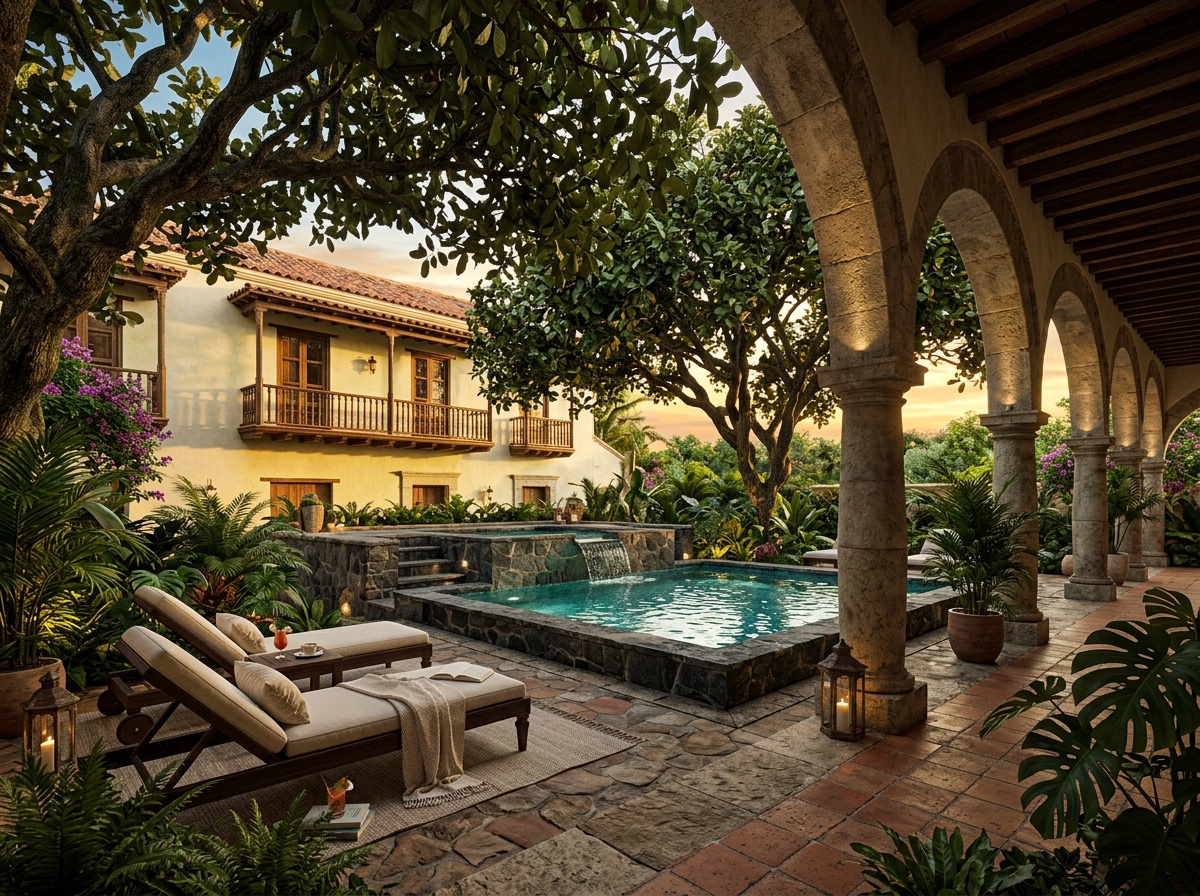
Presidential Suites & Plunge Pool Courtyards
RevPAR Yield: Private suite layouts framed by tropical gardens and viceregal courtyards maximize revenue per available room by attracting premium travelers.
The stately architecture and 6,038 m² urban footprint of Casa del Virrey offer the ideal canvas for Mariquita’s flagship Luxury Heritage Boutique Hotel & Gastronomic Center. Envision converting river-stone courtyards into landscaped garden dining terraces, colonial high-ceiling halls into an exclusive Viceregal Wine & Tapas Bar where fine vintage wines pair with artisanal cheeses and gourmet lechona, and historic wings into luxury suites featuring private plunge pools under mature mangosteen trees.
This hospitality conversion directly captures high-spending international travelers touring the Mutis Route and the Bogotá-Medellín highway corridor.
Certified status as a Cultural Interest Asset (recognized under the POT Agreement 019 of 2004 and cataloged as Level 2: Architectural Conservation under municipal PEMP Resolution 0121 and Decree 1080 of 2015, Art. 2.4.1.2.4) unlocks tax deductions for certified heritage conservation expenditures (Law 1185 of 2008) alongside conservation compensation frameworks (Law 388 of 1997, Art. 48). Concurrently, the expansive 6,038 m² lot allows financing the preservation of the historic manor house through high-yield boutique suites, culinary venues, and commercial arcades developed across the uncataloged footprint.
The Mangosteen of Mariquita: Fertile Soils & The Queen of Fruits
San Sebastián de Mariquita proudly holds the regional tourism branding "Fruit Capital of Colombia" (endorsed by the Government of Tolima). Among the diverse tropical species thriving in its soils (such as giant soursop, passion fruit, starfruit, and sugar mango), the absolute monarch is Garcinia mangostana, known universally as the Mangosteen.
Native to Southeast Asian tropical archipelagos, mangosteen found in Mariquita's valley an exceptional habitat. According to agronomic studies by Agrosavia and regional environmental assessments, the combination of deep alluvial and volcanic-origin soils with high moisture retention, a stable equatorial climate averaging 26°C to 28°C, and relative humidity around 80% creates the optimal biophysical environment for producing crops of remarkable sweetness and quality.
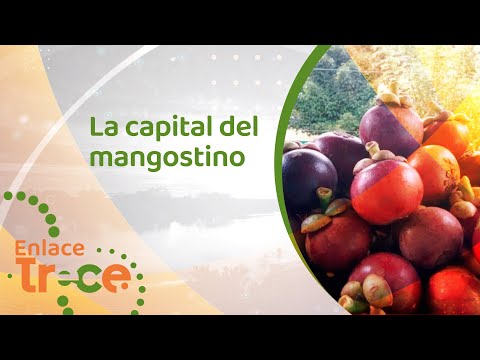
San Sebastián de Mariquita: National Capital of Mangosteen
Audiovisual feature highlighting agricultural tradition and mangosteen harvesting across Mariquita's orchards.
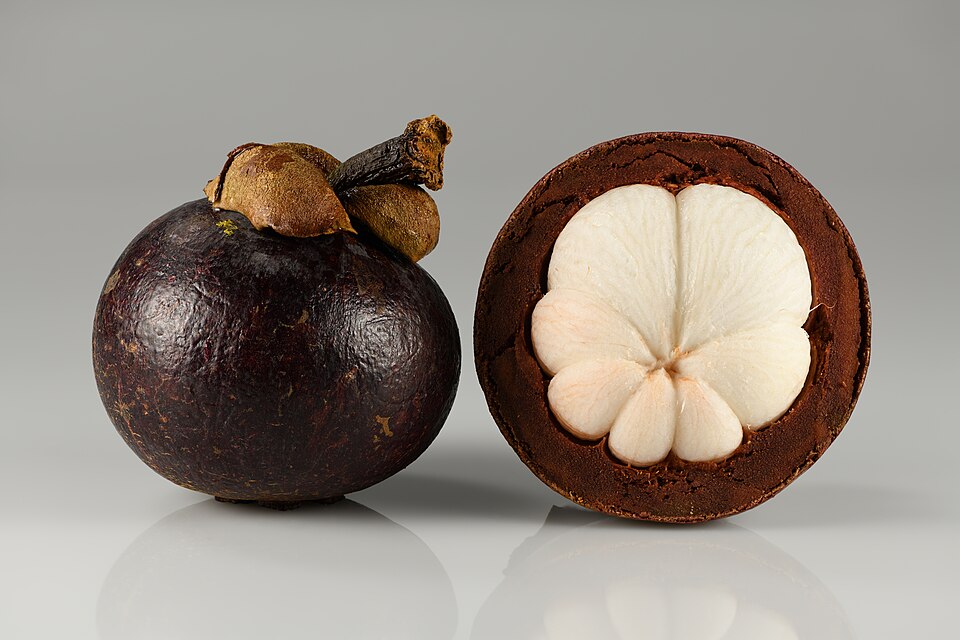
Famed historically as the "Queen of Fruits" (legend says Queen Victoria promised knighthoods to anyone bringing intact fresh mangosteens), the fruit presents a deep purple rind rich in xanthones, powerful botanical antioxidants studied in modern medicine. Opening the rind reveals pearly white segments melting on the palate with a balanced sweet-citrus profile.
Mangosteen orchards drive Mariquita’s rural economy across small and medium farms. Bi-annual harvests (June-July and December-January) draw buyers nationwide and align with the celebrated "Mangostino de Oro" music festival.
Opened Mangosteen • Pearly white pulp and xanthone-rich pericarp.
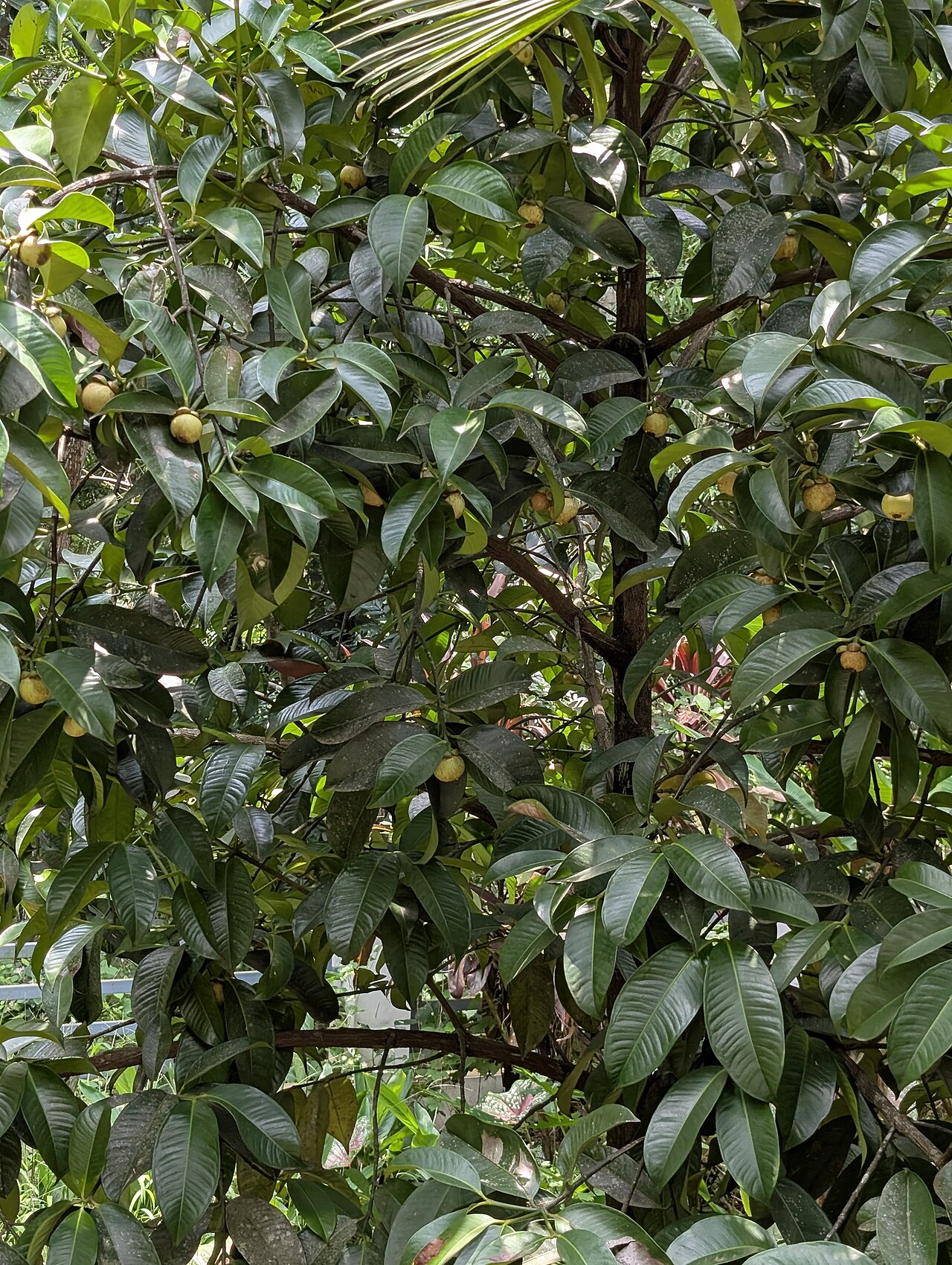
Garcinia mangostana • Evergreen fruit trees in Mariquita's rural orchards.
Canyoning & Canopy Zip-Lining in the Lost City of Falan
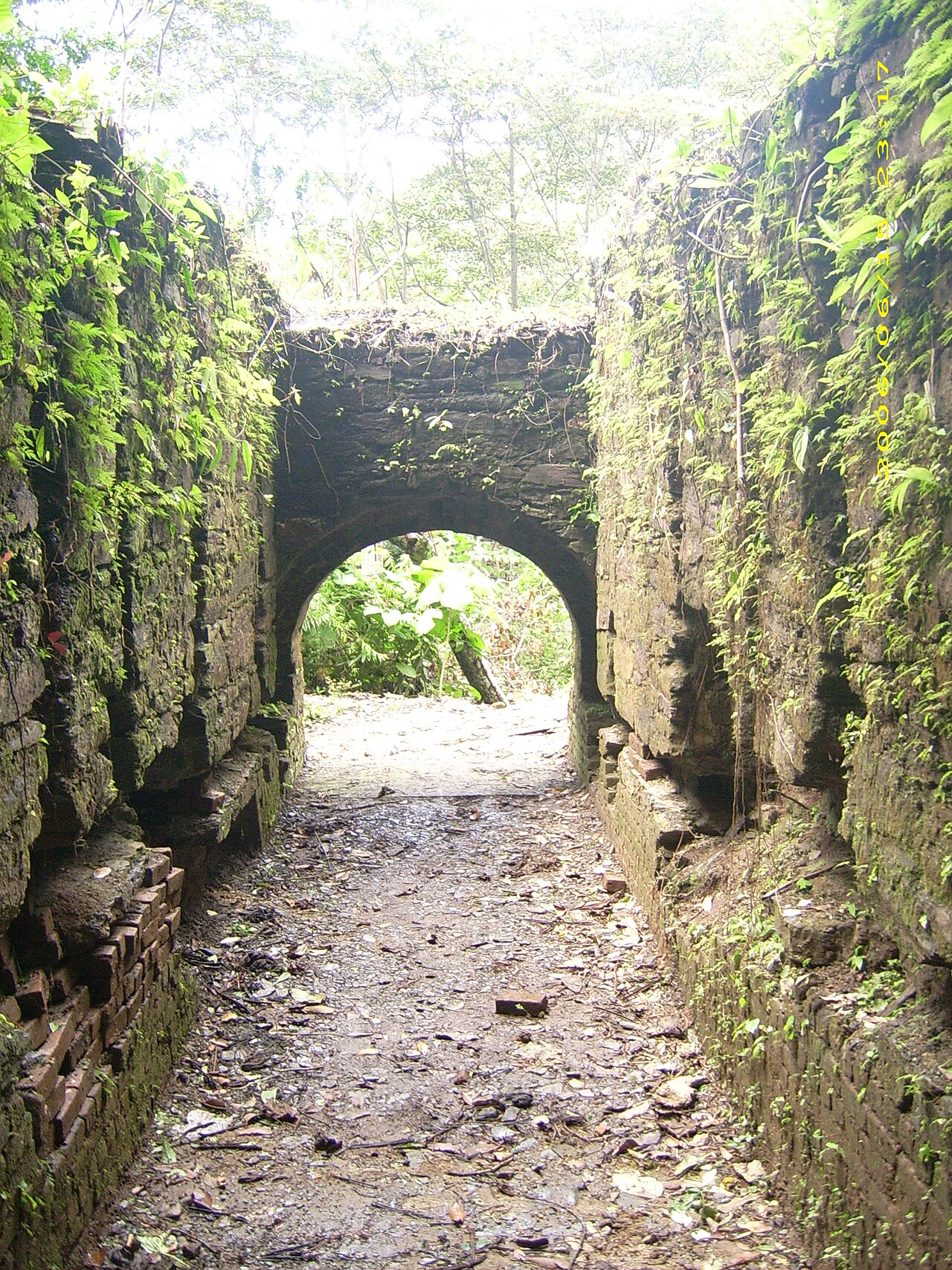
For adventure enthusiasts, Mariquita’s surroundings harbor one of Tolima's best-kept secrets: the mysterious colonial ruins of the Lost City of Falan (formerly the Royal Santa Ana Silver Mines).
Located just 20 minutes from Mariquita up mountain slopes, Falan in the 17th and 18th centuries was a thriving silver mining center worked by the Spanish Crown and later British engineers (including famed physicist Robert Stephenson). Today, lush rainforest enfolds stone tunnels, vertical shafts, viceregal aqueducts, and retaining walls, creating a lost-world setting for exploration.
Falan Expedition: Canyoning & Canopy
$120,000 - $180,000 COP / person
Waterfall rappelling, canyon zip-lining, and guided historical cave tours with certified guides.
Certified extreme adventure operators run professional, safety-inspected circuits that feature guided historical treks through underground silver shafts, Tibetan rope bridge crossings, high-flying canopy zip-lines over 50 meters above forest canopies, and thrilling canyoning (waterfall rappelling): rope and harness-assisted vertical descents down cascading waterfalls into natural emerald swimming pools.
Developer Vision: Casa del Virrey as a Luxury Boutique Hotel, High Cuisine Restaurant & Wine Bar
Enclosed within this setting of colonial history, botanical biodiversity, legendary gastronomy, and expanding highway infrastructure stands the area's premier heritage property: the full city block of Casa del Virrey (6,038 m²).
Its status as an independent full urban block provides unconstrained architectural and real estate freedom: from developing a 5-star Luxury Heritage Boutique Hotel respecting Viceregal heritage to constructing a gourmet commercial arcade or mixed-use residential enclave. Below are conceptual development models:
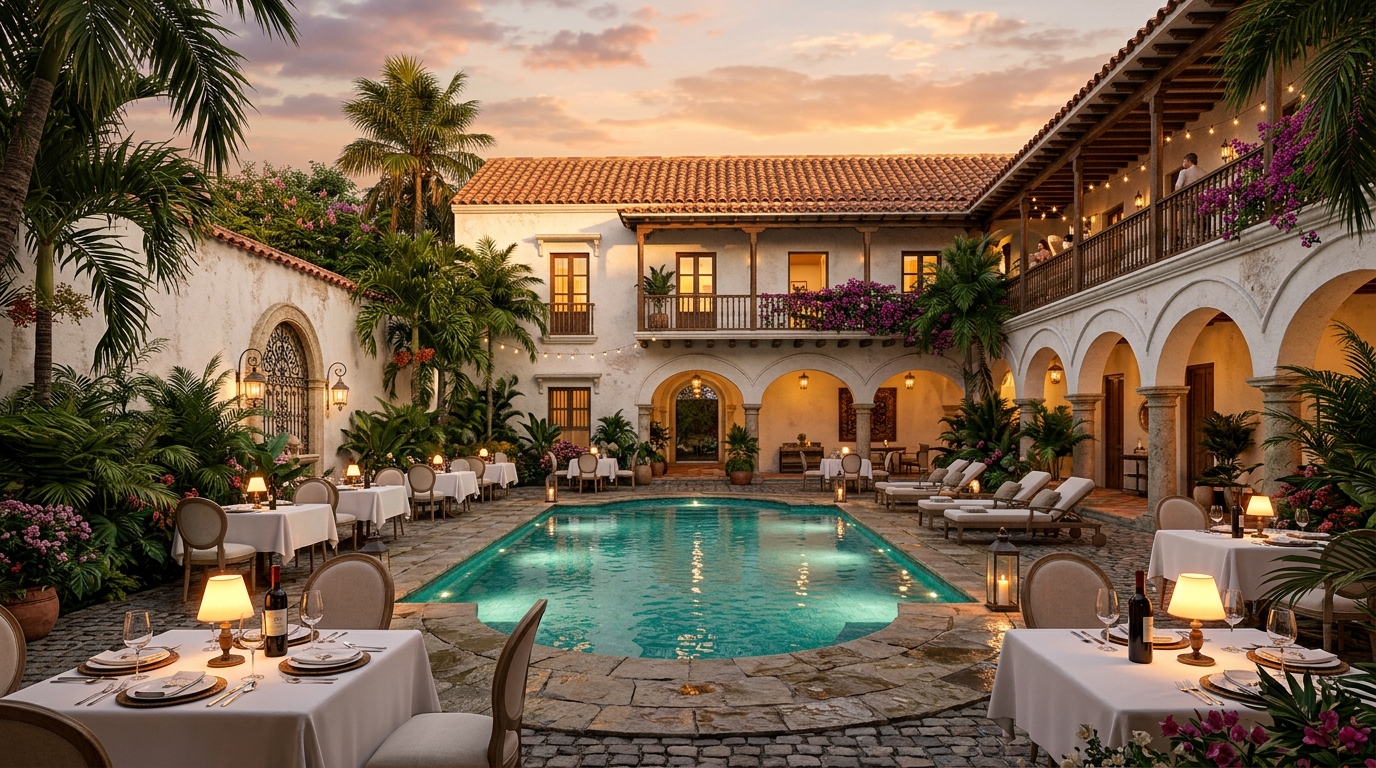
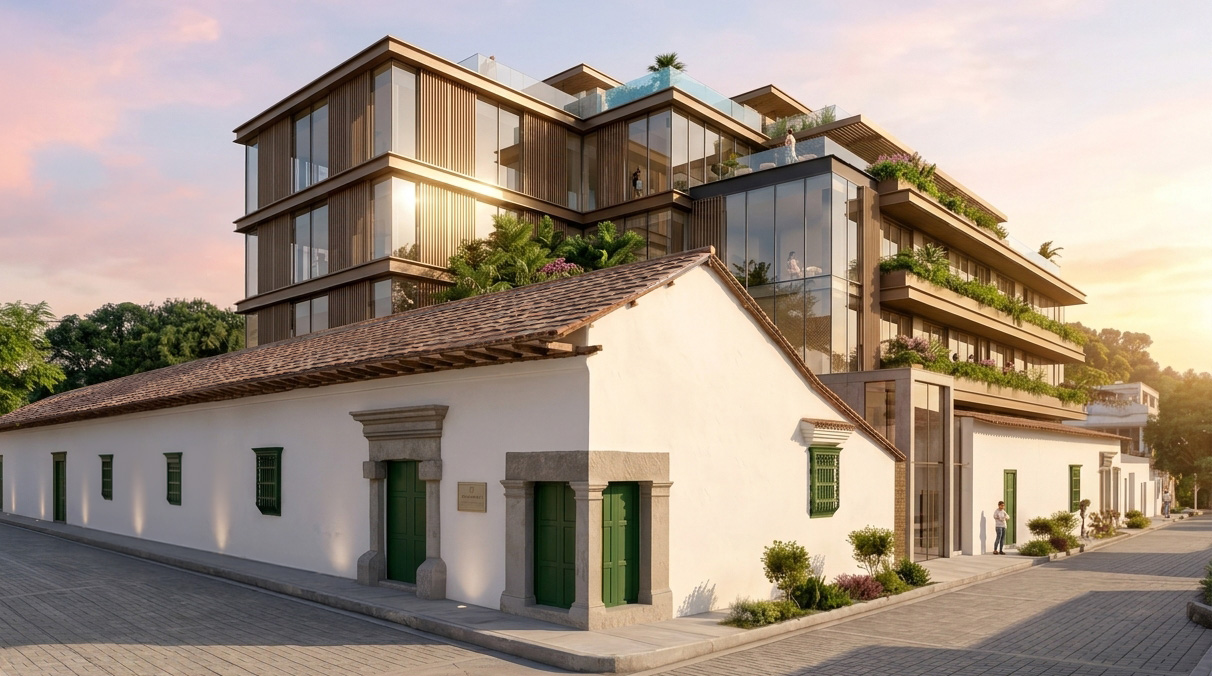
Viceregal Boutique Hotel & Resort
Transformation of the central viceregal courtyard into an exclusive 5-star boutique resort with a central pool, colonial arcaded galleries, and warm period lighting.
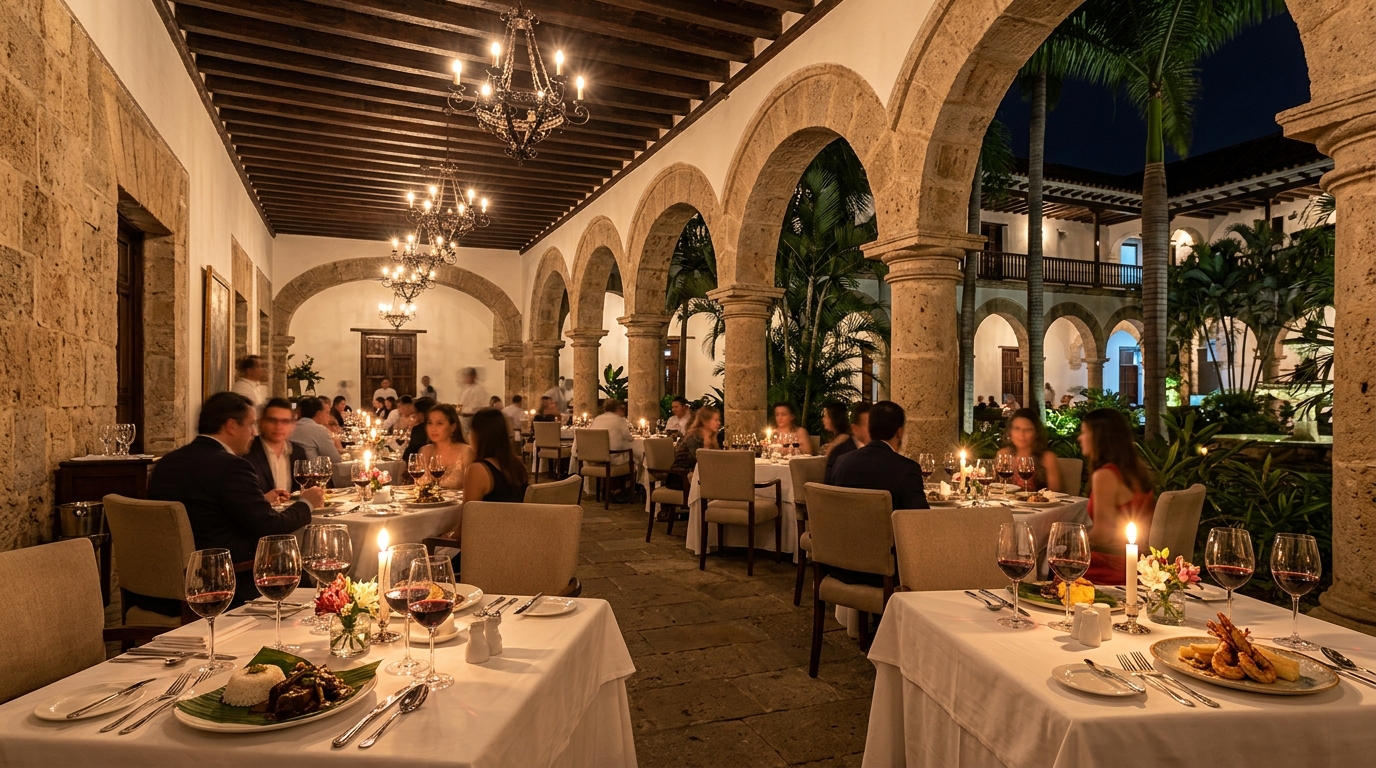
High Cuisine Restaurant & Wine Cellar
Signature gastronomy and boutique wine pairings served under colonial stone arches and crystal chandeliers, fusing contemporary cuisine with viceregal atmosphere.
Technical Fact Sheet & Investment Inquiries
To review legal title documentation, topographic surveys, BIC conservation zoning guidelines, or schedule a guided property tour:
Medina Waterfalls: Aquatic Adventure & Natural Pools in Mariquita
Located just 8 kilometers (15 to 20 minutes) from the historic heart of San Sebastián de Mariquita along the scenic rural route to Vereda Medina lies one of northern Tolima’s most spectacular ecotourism and adventure jewels: the Medina Waterfalls (Cataratas de Medina).
Formed by the pristine, invigorating waters of the Medina River cascading dramatically down the eastern foothills of the Central Andes, these waterfalls feature stepped cascades over 20 meters high emptying into expansive natural swimming pools carved out of volcanic bedrock. It is a secluded haven for outdoor recreation and biodiversity where visitors enjoy natural hydromassage beneath powerful cascades, swimming in crystalline pools, and professionally guided adventure sports including canyoning and waterfall rappelling (torrentismo).
The ecological access trail winds through lush gallery forests, towering native guadua bamboo groves, tree ferns, and vibrant tropical blooms—providing a thriving sanctuary for iridescent blue morpho butterflies, toucanets, and diverse riverine bird species. Its immediate proximity to Mariquita’s urban center (unlike remote high-mountain destinations requiring arduous multi-hour journeys) makes Medina Waterfalls the quintessential freshwater wellness excursion for guests, families, and boutique hospitality patrons residing at Casa del Virrey.
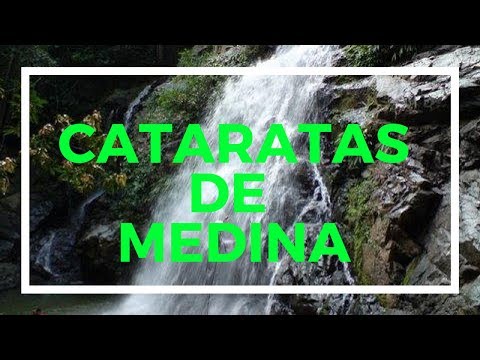
Video: Medina Waterfalls
HD video expedition exploring tiered 20-meter cascades, volcanic rock pools, and river canyons in Mariquita.
This harmonious combination of viceroyalty architectural elegance in the urban core and natural spring-fed river sanctuaries mere minutes away cements Mariquita's standing as a resilient, year-round destination for sustainable tourism and prime hospitality investments.
Located just 8 kilometers (15 minutes) from Mariquita's historic core toward the rural countryside lies Laguna del Silencio (Silence Lagoon), a tranquil natural freshwater wetland enveloped by lush tropical dry forest, giant bamboo groves, and floating aquatic lilies.
Unlike the high-velocity torrents of mountain canyons, this mirror-like body of water offers total quietude and meditative communion with nature. Its placid waters are perfect for artisanal wooden canoe paddling, landscape photography, and catch-and-release sport fishing. It is also an essential hub for aquatic birdwatching, serving as permanent and seasonal sanctuary for great egrets, neotropic cormorants, anhingas, and vibrant kingfishers.
Silence Lagoon provides the ideal restorative day trip for guests and residents of Casa del Virrey seeking immersion in tranquil wetlands without strenuous road journeys, enjoying cooling breezes and natural stillness minutes from downtown.
Video: Silence Lagoon
HD video journey exploring the pristine water body, bird habitats, and scenic wooden canoe tours.
Living River Pools: Quebrada San Juan & Balneario Cancún
One of the most authentic and beloved traditions in Mariquita’s outdoor culture is freshwater river bathing. Just 3 to 5 kilometers (5 to 10 minutes) from the central plaza, crystalline tributaries descend straight from the high slopes of the Central Andes, most notably Quebrada San Juan, Balneario Cancún, and the La Sonadora streams.
These natural bathing resorts feature smooth granite boulders shaped over centuries by pure river currents, creating broad, refreshing natural swimming pools (*charcos*) averaging 21°C to 24°C beneath the lush shade of ancient samán, caracolí, and mango groves.
Equipped with open-air picnic spots, family-run kiosks, and riverside walking paths, these river pools offer an immediate refreshing retreat for residents and guests staying at Casa del Virrey, experiencing Colombia’s legendary living-water tradition anytime during the sunny tropical week.
Video: Mariquita River Balnearios
Scenic tour along the crystal-clear mountain streams, granite pools, and riverside recreational parks.
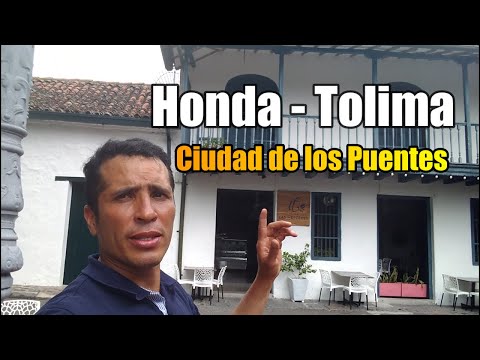
Twin Heritage Jewel: Colonial Honda "The City of Bridges" (20 min)
A monumental geographic advantage bolstering Casa del Virrey’s long-term real estate valuation is its immediate pairing with Honda, situated just 20 kilometers (18 to 20 minutes by car via Route 50). Designated a Colombian National Monument and crown jewel of Colombia's elite Red de Pueblos Patrimonio, Honda is a world-class viceroyalty port city on the Magdalena River.
Celebrated as "The City of Bridges" and the historic inland shipping capital of the Spanish Viceroyalty for three centuries, Honda captivates travelers with its famous cobblestone Calle de las Trampas, two-story colonial mansions with carved wooden balconies and Moorish eaves, the iconic Puente Navarro (inaugurated in 1899 as South America’s very first iron suspension bridge), the Magdalena River Museum, and the Alfonso López Pumarejo House Museum.
This close proximity establishes an effortless dual colonial heritage corridor: travelers exploring northern Tolima naturally tour both historic towns during the same weekend. Casa del Virrey serves as the prime luxury hospitality and fine-dining anchor of this circuit, pairing authentic colonial pedigree with the unparalleled comfort of its 6,038 m² private gardens and resort pool.
Video: Honda, City of Bridges
Engaging travel documentary highlighting Calle de las Trampas, Puente Navarro, river history, and colonial architecture.
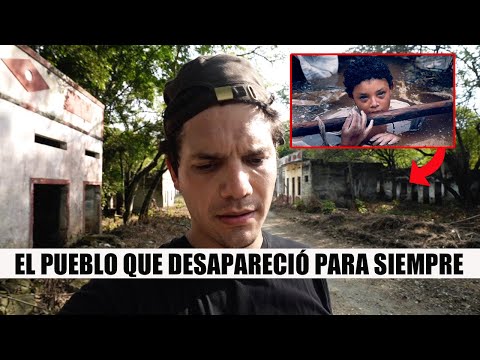
Cultural Memory Tourism: Armero Memorial & Life Park (25 min)
Just 32 kilometers (25 to 30 minutes south along National Highway 43) lies one of Colombia's most poignant, historically significant, and widely visited open-air memory landmarks: the Armero Historic Memorial & Life Park (*Parque de la Vida*).
Preserved following the cataclysmic November 1985 volcanic eruption of the Nevado del Ruiz, this open-air archaeological memorial site has emerged as an internationally respected center of memory and cultural pilgrimage. Amidst dense native forest that has gracefully embraced the foundations of the vanished city, visitors follow self-guided interpretive memory paths, pay respect at the memorial to Omayra Sánchez, view the evocative ruins of the railway station and church tower, and reflect on the inspiring human solidarity and national resilience that defined Armero's legacy.
Drawing thousands of researchers, historians, and international travelers each month, Armero represents a deeply moving cultural journey. Casa del Virrey serves as the most elegant, serene basecamp nearby for visitors undertaking this journey with dignity, comfort, and reflective repose.
Documentary: Armero & Life Park
In-depth investigative documentary exploring the archaeological ruins, historical testimony, and open-air memorial park.
Nevado del Ruiz Stratovolcano: Geology & High Páramo
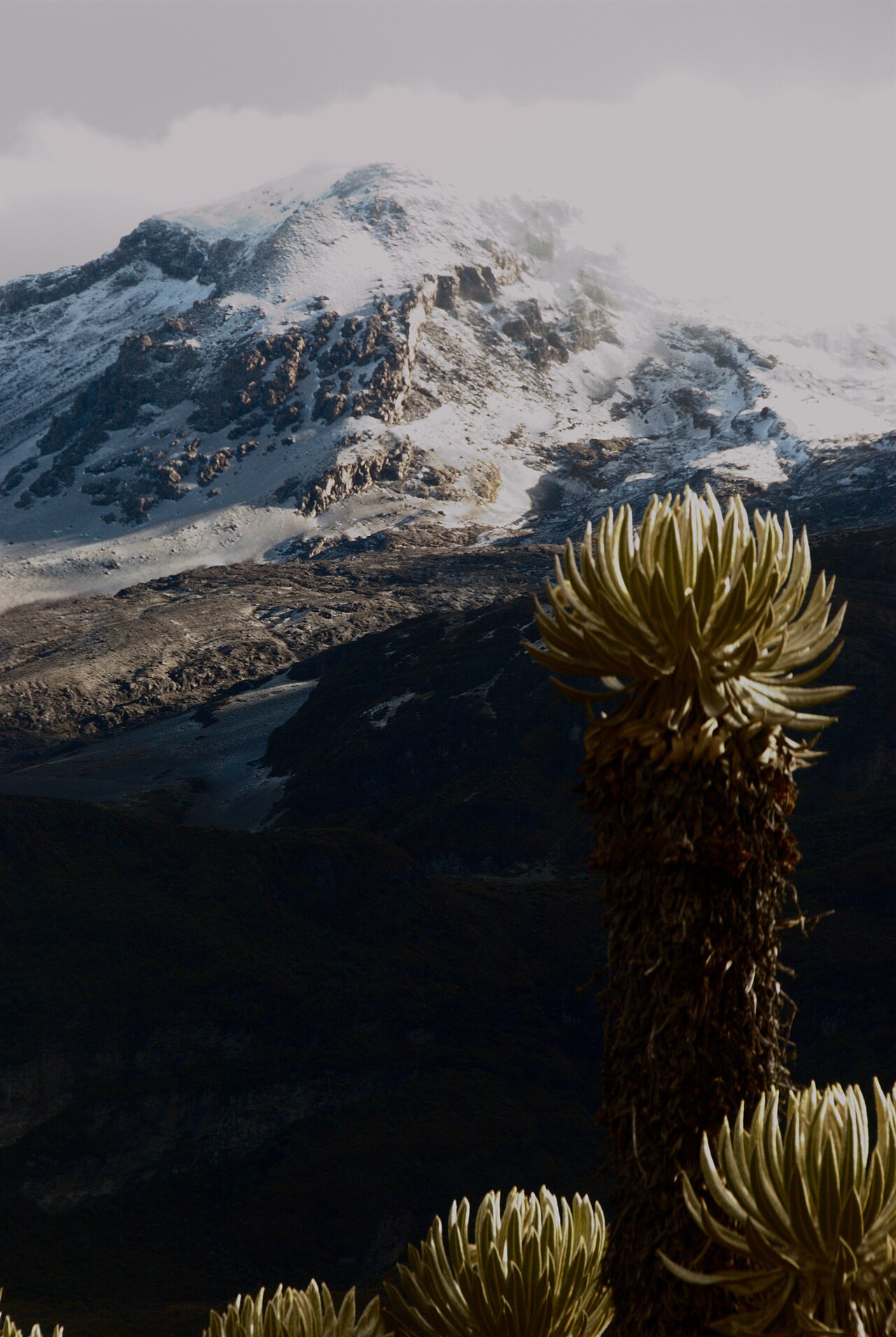
The Nevado del Ruiz Volcano (known in ancestral Karib language as *Kumanday*, "the white shining mountain") is the geological giant shaping northern Tolima's landscape, climate, and fertile soils.
Glacier-capped at 5,321 meters above sea level, this active stratovolcano feeds the Gualí and Azufrado rivers nourishing Mariquita’s valley. Volcanic ash and mineral deposits accumulated over millennia gift Mariquita legendary agricultural fertility.
Nevado del Ruiz Stratovolcano Guide
In-depth study covering volcanic history, Andean glaciology, and viewing trails in Los Nevados National Park.
Excursions depart daily from Mariquita toward Brisas entrance in Los Nevados National Park, where guided trails lead visitors past glacier edges, ancient frailejón valleys, and soaring Andean Condors (*Vultur gryphus*).
Colombia is globally celebrated as the world's premier birdwatching nation, hosting over 1,950 recorded species. Within this avian landscape, San Sebastián de Mariquita occupies a strategic ecological junction. Situated at the transition zone connecting the warm Magdalena River valley plain (495 m.a.s.l.) with premontane cloud forests along the Central Andes (ascending to 2,000 m.a.s.l.), Mariquita acts as a biological funnel uniting migratory species and native neotropical birds.
Microclimate diversity, combined with abundant fruit resources from mangosteen orchards and protected forests in the José Celestino Mutis Municipal Reserve, makes Mariquita an avian haven. At dawn and dusk, the forest canopy resonates with birdsong and vivid plumage attracting birdwatchers and photographers worldwide.
Emblematic Avian Species of Mariquita
Below is a detailed overview of key bird species inhabiting Mariquita's countryside and reserves:
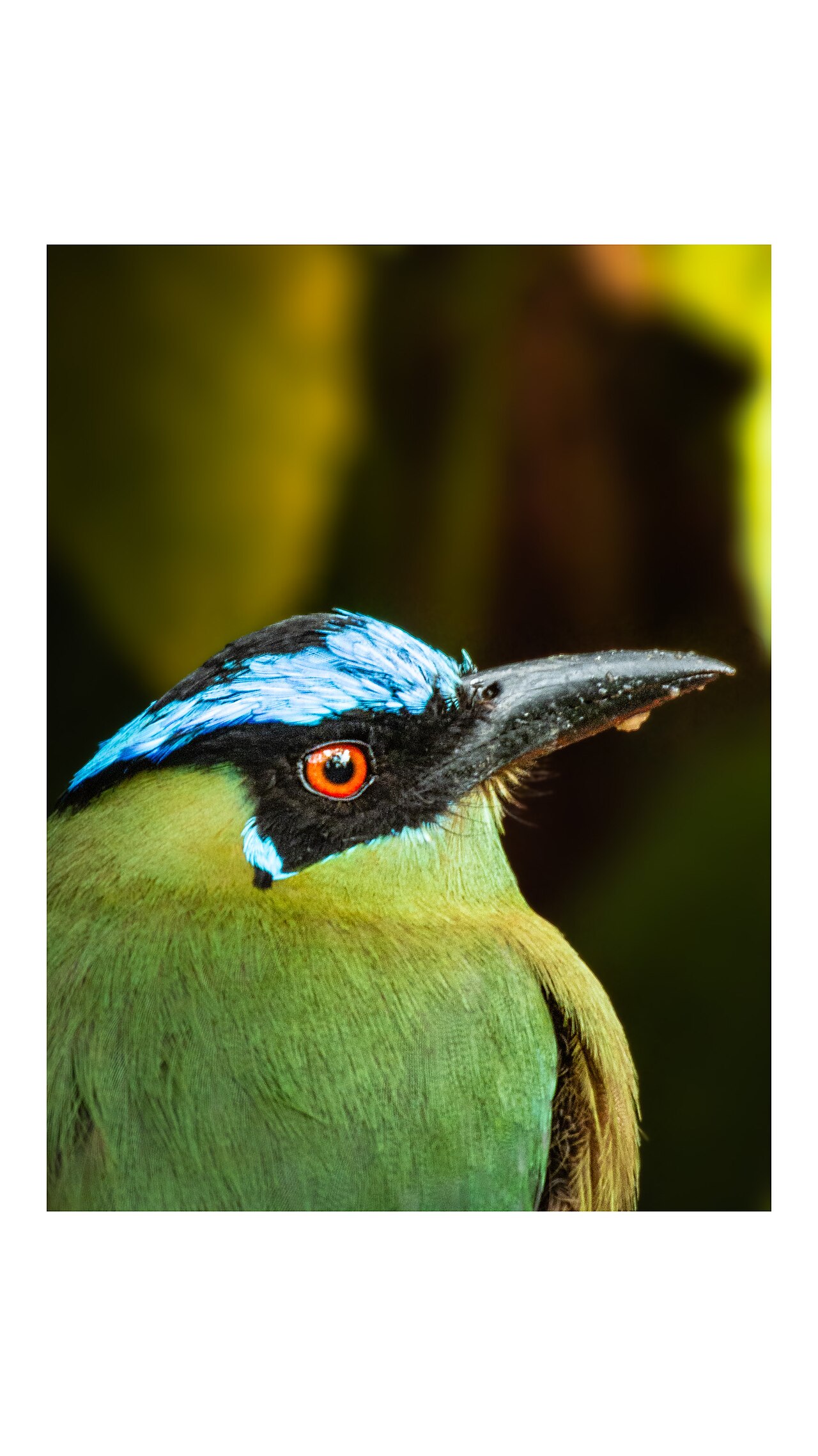
Andean Motmot (Momotus aequatorialis)
Instantly recognized by its black eye mask, turquoise crown, and long racket-tipped tail swinging like a clock pendulum. Inhabits the understory of Mutis Forest.
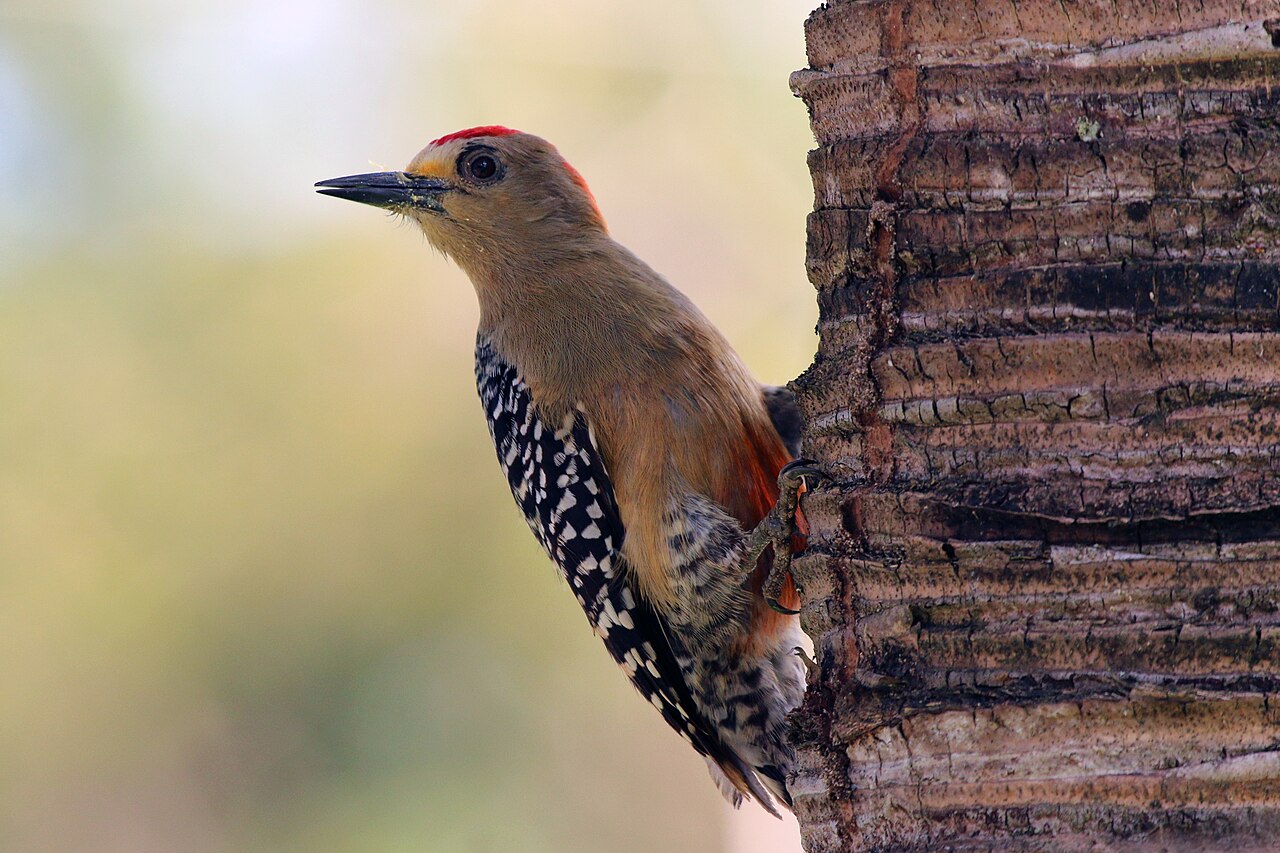
Red-crowned Woodpecker (Melanerpes rubricapillus)
Features a crimson cap and zebra-striped back, drumming on dry trees across mangosteen orchards to excavate nesting cavities for forest species.
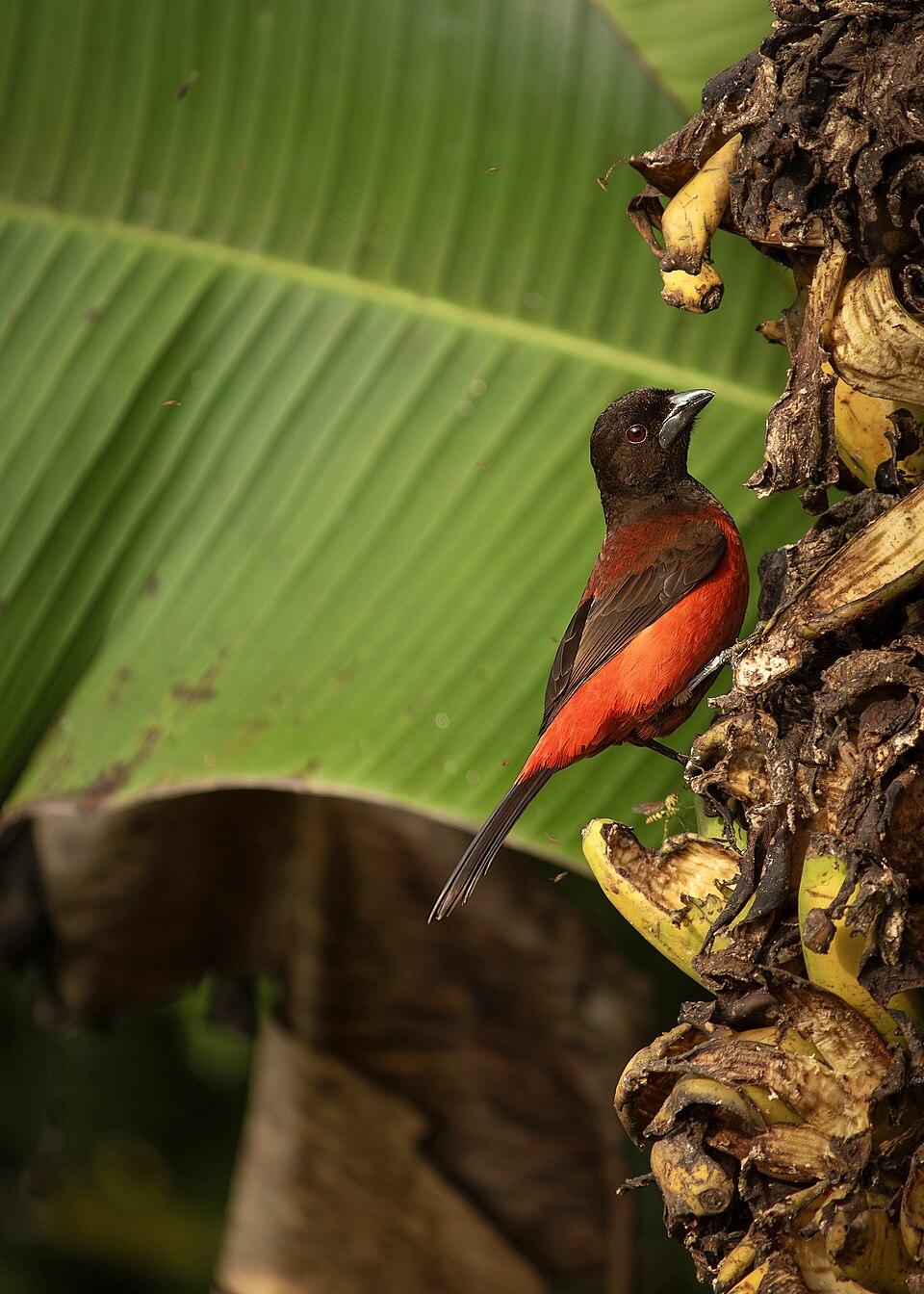
Crimson-backed Tanager (Ramphocelus dimidiatus)
Vibrant crimson plumage glowing under tropical sunlight, frequenting fruit trees around Laguna del Silencio in active flocks.
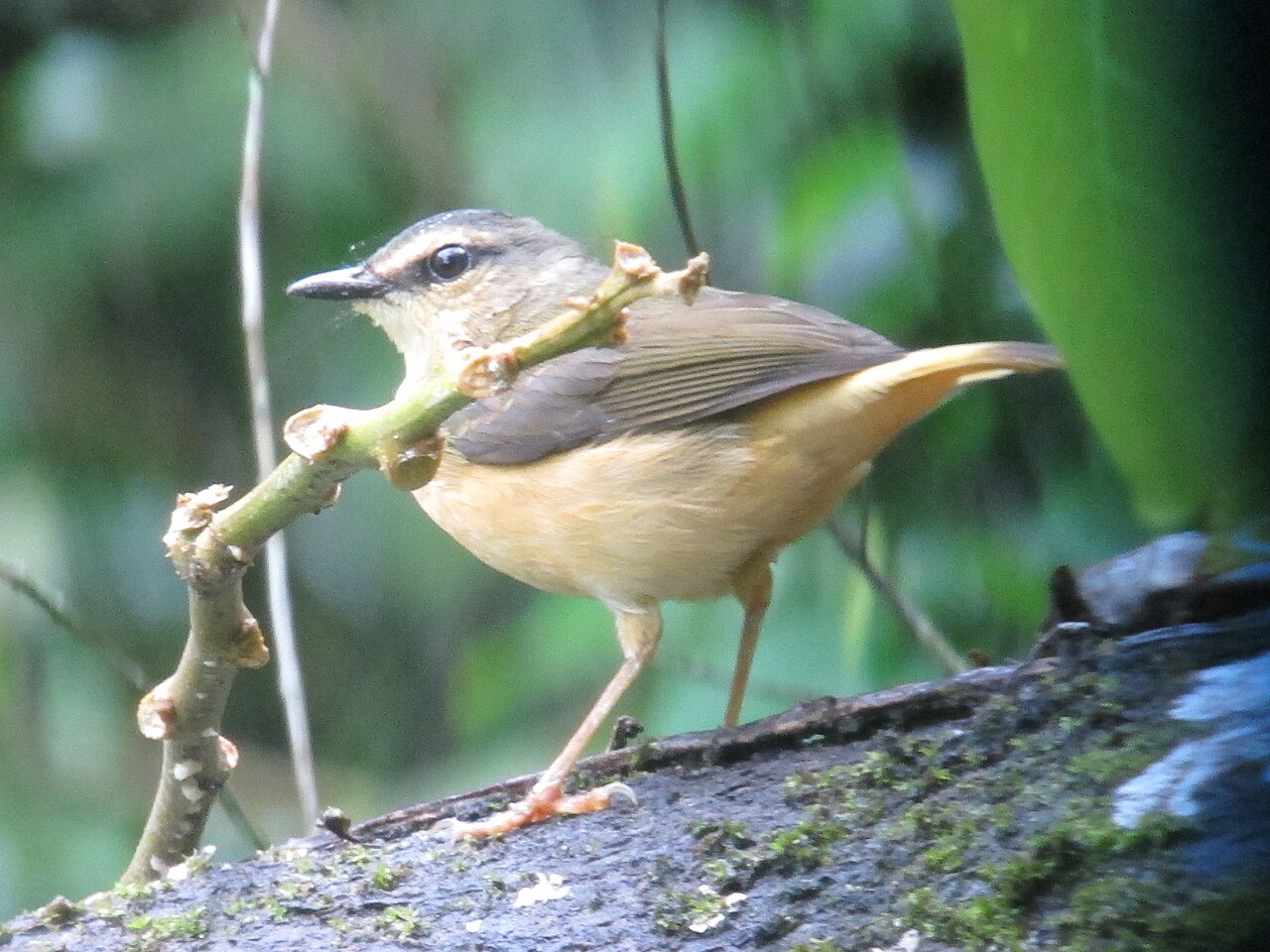
River Warbler (Myiothlypis rivularis)
Agile water warbler foraging along Gualí River rocks, a biological indicator of water purity.
Birdwatching Routes & eBird Platform
For birdwatchers, Mariquita offers three primary circuits: the Mutis Municipal Forest Circuit (green toucanets and woodpeckers at dawn), Laguna del Silencio Wetlands (herons and kingfishers), and the Falan Mountain Trail (mountain hummingbirds and colorful tanagers).
Regional birding is backed by Cornell Lab of Ornithology’s eBird network. Official checklists and real-time hotspots:
Tolima Birdwatching Portal →
Hiking in the José Celestino Mutis Municipal Forest
Declared a protected ecological reserve and municipal environmental sanctuary, the José Celestino Mutis Municipal Forest encompasses over 100 hectares of secondary tropical rainforest situated just five minutes from central Mariquita.
This natural haven preserves native flora explored and classified by José Celestino Mutis starting in 1783. Shaded ecological trails wind past freshwater springs, giant guadua bamboo groves, ancient kapok trees (*ceibas*), and wild cinnamon trees: an ideal venue for family hikes, natural stream swimming, and outdoor relaxation.
Ruta Mutis Eco-Tourism Packages
Guided tour packages, botanical hikes, and heritage travel experiences along the Mutis Route.
Mariquita: Key Logistics Hub & Mandatory Stopover Between Bogotá and Medellín
Situated in Colombia’s geographic heartland, San Sebastián de Mariquita has evolved beyond a weekend getaway into the most strategic logistics and business crossroads in central Colombia.
Why Mariquita is the Central Node of National Transit
Mariquita sits precisely at the junction of two major national arteries: National Route 50 (connecting Bogotá to Manizales and the Coffee Triangle across the Central Andes) and the Magdalena Trunk Highway (Route 45), linking central Colombia to the Caribbean Coast and Medellín via Honda-Puerto Salgar.
With recent completions of major 4G highway concessions, including the Cambao-Manizales highway and Magdalena dual carriageway bypasses, freight and passenger transit times from Mariquita to Bogotá are reduced to under 3.5 hours, to Manizales to 2.5 hours, and to Medellín to 4 hours. This hyper-connectivity establishes Mariquita as the preferred hub for logistics parks, fruit export packing centers, and regional distribution centers.
Why Travelers Stop and Stay in Mariquita
For thousands of weekly travelers, families, and executives navigating the Bogotá-Medellín corridor or Coffee Region, long mountain drives prove tiring. Mariquita emerges along the route as the perfect rest oasis. Descending to Mariquita’s valley offers welcoming 28°C warmth, renowned gastronomy, and expanding hotel infrastructure.
An overnight stopover in Mariquita turns a routine highway trip into an enjoyable mini-vacation: touring colonial botanical ruins at sunset, dining at local restaurants, enjoying evening pool swims, and resuming journeys fully refreshed.
Boasting a constant average temperature of 26°C to 28°C, sunny skies year-round, and refreshing evening mountain breezes off the Gualí River, Mariquita delivers prime climate conditions for country estates, pool resorts, holistic spas, and senior living developments.
Quality of life in Mariquita combines small-town safety and tranquility with immediate access to municipal services, offering a peaceful retreat under three and a half hours from Bogotá.
Prime Investment Opportunity: Casa del Virrey (6,038 m² Full City Block)
Enclosed within this setting of colonial history, botanical biodiversity, legendary gastronomy, and expanding highway infrastructure stands the area's premier heritage property: the full city block of Casa del Virrey.
Encompassing 6,038 m² of flat urban land on Calle 2ª in Mariquita’s historic core, this site includes an 18th-century casona declared a National Cultural Interest Asset (BIC). Its status as a standalone full city block yields unprecedented development flexibility: from a luxury boutique hotel preserving viceregal heritage to a gourmet commercial arcade or mixed-use residential enclave.
Technical Fact Sheet & Investment Inquiries
To review title documentation, topographic surveys, BIC conservation zoning guidelines, or schedule a property tour:
Visitor & Investor Directory: Healthcare, Education, Banking & Casa del Virrey Business Opportunities
To support tourism growth, new secondary home residents, and commercial developments, San Sebastián de Mariquita provides a structured municipal service infrastructure across healthcare, education, and banking:
1. Healthcare Infrastructure & Medical Network
Municipal healthcare is anchored by Hospital San José de Mariquita E.S.E., a second-level public hospital providing 24/7 emergency care, inpatient wards, modern surgical suites, laboratory services, and medical specialties (pediatrics, gynecology, internal medicine, and general surgery).
Private specialized clinics, dental centers, and pharmacy chains (such as La Rebaja and Farmacenter) support community needs.
Visit Official San José Hospital Portal →
2. Higher Education & Technical Training
Higher education features UNIMINUTO University (Mariquita Campus), offering degree programs in business administration, agro-industrial engineering, pedagogy, and accounting.
Technical vocational training is provided by SENA (Northern Tolima Agro-Industrial Center), training talent in hospitality management, coffee barista skills, culinary arts, and tourism.
Consult Official UNIMINUTO Portal →
3. Banking & Communications
Mariquita’s commercial district hosts full-service branches and ATMs of major banks: Bancolombia, Banco de Bogotá, Davivienda, and Banco Agrario. High-speed fiber-optic networks (Claro and Movistar) support digital nomads and remote professionals.
Casa del Virrey as a Premium Service & Healthcare Hub
The prime location of Casa del Virrey (6,038 m²) in central Mariquita provides an ideal setting for high-impact service projects. The site can accommodate a Specialized Medical Clinic & Wellness Recovery Center, a University Satellite Campus or Convention Hall, or a Luxury Commercial Arcade integrated with colonial architecture.
Developing these services within a BIC heritage property adds prestige and institutional identity that no standard suburban lot can offer.
Develop the Premier Gastronomic & Cultural Commercial Plaza
3D Conceptual Vision: Luxury Residential Condominium & Landscaped Gardens integrated into the BIC Colonial Casona.
Mariquita is Tolima’s epicenter for native gastronomy, history, and ecotourism. Transform the 6,038 m² full city block of Casa del Virrey into the must-visit dining and cultural complex for travelers and residents.